Owner’s manual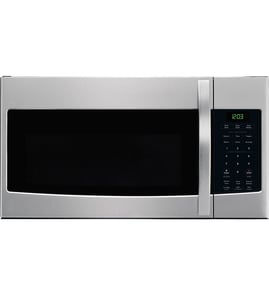



What is MVEL2033F used for?
The LG MVEL2033F microwave/hood combo is used to heat, cook, reheat, and defrost food in the microwave cavity while also venting smoke, steam, and odors from the cooktop below using the built-in hood fan and filters. For operating modes and safety details, see the MVEL2033F owner’s manual.
What you can do with this microwave/hood combo
- Microwave cooking with adjustable power levels and timed cooking
- Sensor cooking and sensor reheat for common foods
- Auto defrost by food type and weight
- Cooktop lighting (hi/low/off)
- Ventilation fan control (on/off, multiple speeds, timed ventilation)
- Basic maintenance like cleaning the interior and filters
Key model-specific specs (from the manual)
| Item | LG MVEL2033F (series) |
|---|---|
| Power supply | 120 V AC, 60 Hz |
| Microwave output | Max. 1050 W |
| Cavity capacity | 2.0 cu. ft. |
| Overall width | 29 7/8 in. |
Venting and filter use (why it matters)
Because MVEL2033F is installed over the range, the hood portion helps protect the microwave and your kitchen by pulling heat and grease away from the cooktop. Keeping filters clean also helps airflow and reduces odors.
If your unit is set up for recirculating (venting inside), plan to replace the charcoal filter on schedule; a compatible option for this model is the LG microwave charcoal filter 5230W1A003A.
Why it matters
Using the vent fan when cooking on the range and keeping the grease and charcoal filters maintained helps prevent overheating, improves ventilation performance, and keeps the microwave running efficiently.
Last updated: January 2026
What is the CFM rating of MVEL2033F?
The LG MVEL2033F microwave/hood combo uses a 400 CFM exhaust fan. This CFM rating describes the vent fan’s maximum airflow for clearing smoke, steam, and cooking odors when the unit is installed and vented correctly (per the MVEL2033F owner’s manual).
What “CFM” means for your microwave/hood combo
CFM (cubic feet per minute) is a measure of how much air the vent fan can move.
- Higher CFM generally clears smoke and steam faster
- Real-world performance depends on ducting, damper operation, and installation
- Grease filter condition and cleanliness can reduce airflow
- Recirculating (non-ducted) setups rely heavily on the charcoal filter
Quick reference
| Item | Value for LG MVEL2033F | Why it matters |
|---|---|---|
| Vent fan airflow | 400 CFM | Helps remove heat, steam, and odors |
| Filter maintenance | Clean monthly | Keeps airflow and fan performance up |
| Charcoal filter (recirculating) | Replace every 6 to 12 months | Helps reduce odors when venting indoors |
Tips to keep airflow strong
If the fan seems weak even on high speed, we recommend these checks:
- Clean the grease filters regularly (at least monthly)
- Confirm the vent damper opens freely and is not stuck
- Check for crushed, kinked, or overly long duct runs (if ducted)
- Replace the charcoal filter on schedule for recirculating installs using the LG microwave charcoal filter 5230W1A003A
Why it matters
A 400 CFM vent fan can only perform as designed when airflow is not restricted. Keeping filters clean and the vent path clear helps protect internal components from excess heat and improves kitchen comfort.
Last updated: January 2026
What type of vent is the MVEL2033F?
The LG MVEL2033F microwave/hood combo includes a built-in ventilation fan and can be configured as either vented inside (recirculating) or vented outside (ducted), depending on how it’s installed. For model-specific setup and airflow direction options, follow the MVEL2033F owner’s manual.
Venting options for LG MVEL2033F
Your installation determines where the air goes:
- Vented inside (recirculating): air is filtered and returned to the room
- Vented outside (ducted): air is routed through ductwork to the outdoors
- Fan operation: use the control panel vent settings to turn the fan on/off and change speeds
What changes between recirculating and ducted
The maintenance items are different based on the venting method you have installed.
- If the unit is vented inside, it uses a charcoal filter to help reduce odors
- If the unit is vented outside, airflow depends on the duct path and the damper opening freely
- In both setups, grease filters need regular cleaning to keep airflow strong
| Venting method | Where air goes | Typical upkeep focus |
|---|---|---|
| Vented inside (recirculating) | Back into the kitchen | Replace charcoal filter; clean grease filters |
| Vented outside (ducted) | Outdoors through ductwork | Keep duct path clear; verify damper opens; clean grease filters |
Parts that can affect venting performance
If odors linger in a vented-inside setup, or airflow seems weak, these are common items to check.
- Replace the charcoal filter on vented-inside installations: LG microwave charcoal filter 5230W1A003A
- Clean the grease filters monthly (or more often with heavy cooking)
- For ducted installs, make sure the damper isn’t stuck: microwave vent damper door 4900W1A001B
Why it matters
Proper venting helps remove steam, smoke, and heat from the cooktop area; it also helps protect the microwave from excess heat buildup during cooking.
Last updated: January 2026
Why did my LG microwave suddenly stop working?
If your LG MVEL2033F microwave/hood combo suddenly stopped working, the most common causes are a power supply problem (outlet, breaker, GFCI), a blown internal fuse, a door interlock switch issue, or a failed control board. Use the checks in the MVEL2033F owner’s manual to narrow it down safely.
Quick checks we recommend first (no disassembly)
- Confirm the display is on; if it is blank, suspect power loss.
- Check your home breaker and any GFCI outlet on the circuit; reset if tripped.
- Unplug the microwave for 1 minute, then plug it back in (this can clear a control glitch).
- Make sure the door closes firmly; a misaligned latch can prevent the unit from starting.
- Verify you are not running the kitchen timer instead of a cook cycle (timer counts down but does not heat).
Likely failed parts when the unit is completely dead
If the outlet and breaker are good but the microwave has no power, these model-compatible parts are common suspects:
- Microwave fuse 3B74133Q (often opens after a surge or short)
- Door interlock system components (if the door switches do not prove “closed”)
- Control board (if power is present but the unit will not respond)
Symptom-to-part guide
| What you notice | What it usually points to | What to do next |
|---|---|---|
| No display, no lights, no fan | Blown fuse or no incoming power | Check breaker/GFCI; then test/replace fuse |
| Display works but won’t start | Door interlock switch/latch issue | Inspect latch alignment; test interlock switches |
| Random shutdown during use | Overheat protection/thermostat opening | Check vents and airflow; inspect thermostats |
| Dead after a pop/spark event | Fuse and possibly control or interlock | Inspect for arcing damage; test fuse first |
Why it matters
A microwave that “goes dead” is often protecting you: the fuse, door safety interlocks, and thermostats are designed to shut the unit down when they detect unsafe electrical or heat conditions.
Helpful DIY guidance
For step-by-step fuse troubleshooting and replacement practices, use how to replace a microwave fuse.
Last updated: January 2026