Error Codes





Do all portable air conditioners have to be vented out a window?
No. A GE portable air conditioner like model APFD06JASWG1 must vent its hot exhaust out of the room, but it does not have to go through a window specifically; any sealed route to the outdoors works so you are not dumping heat back into the space you are cooling.
Venting options that work (as long as they exhaust outdoors)
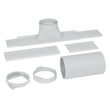
- Window venting using a compatible window kit (most common)
- Sliding door venting (with the right panel/adapter)
- Wall venting through a properly sized sleeve (permanent setup)
- Drop-ceiling or soffit venting only if it truly exits the building (not into an attic)
- Dryer-style exterior vent termination (only if sized and sealed correctly)
What happens if you do not vent it outside
If the exhaust hose is not routed outdoors, the unit will:
- Add heat back into the room
- Run longer and cool poorly
- Increase humidity and condensation risk
- Potentially trigger overheating or shutdown symptoms
Quick setup checklist (portable AC best practices)
- Keep the exhaust hose as short and straight as possible
- Seal gaps around the vent opening to prevent hot air from re-entering
- Clean the air filter regularly for airflow (see filter WJ85X27853)
- If you see water collecting or leaking, confirm the drain system is set up correctly (see drain plug WJ01X26226)
Common venting choices compared
| Vent route | Difficulty | Best for | Notes |
|---|---|---|---|
| Window kit | Low | Most rooms | Fastest, easiest to seal |
| Sliding door panel | Medium | Patios, balconies | Needs a tall filler panel |
| Wall vent | High | Long-term installs | Clean look, requires cutting |
Why it matters
Portable air conditioners remove heat from your room and must reject that heat somewhere else. Proper venting is what makes the cooling cycle effective; without it, you are essentially running a heater and a fan at the same time.
Last updated: January 2026
Does GE portable air conditioner need to be drained?
Most of the time, the GE APFD06JASWG1 portable air conditioner does not need routine draining because it reuses collected moisture to help cool and evaporate it. You typically drain it only when humidity is very high, the unit is stored, or you see a “full” condition or leaking.
When you should drain it
Drain the internal tank when any of these apply:
- The unit stops cooling and indicates the tank is full (varies by control style)
- You notice water leaking or sloshing inside the cabinet
- You are running it in very humid weather for long periods
- You are moving it to another room and want to prevent spills
- You are putting it into seasonal storage
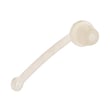
A missing or loose drain cap can also cause leaks; the drain plug WJ01X26226 is the correct drain plug for this model.
Quick drain steps (typical for portable ACs)
- Turn the unit off and unplug it.
- Place a shallow pan under the drain outlet.
- Remove the drain plug and let water flow out completely.
- Reinstall the plug firmly (hand-tight, not over-tight).
- Run the unit and confirm there is no seepage.
What’s normal vs. not normal
| Symptom | Usually normal? | What to do |
|---|---|---|
| No water to drain | Yes | Keep operating; monitor in high humidity |
| Small amount drains occasionally | Yes | Drain as needed |
| Frequent “full tank” or leaking | No | Check drain plug fit, level unit, clean filter |
Why it matters
Draining when needed prevents water leaks, protects flooring, and helps the portable air conditioner maintain steady airflow and cooling performance.
For display messages or fault indicators related to water level or operation, use our GE error codes reference to match the code to the next best step.
Last updated: January 2026
How do I find the model number on my APFD06JASWG1?
The model number for your GE portable room air conditioner is printed on the appliance’s rating label. On APFD06JASWG1 units, that label is typically on the back or side of the cabinet, or just inside an access panel near the air intake.
Where to look on a portable room air conditioner
Check these common label locations (use a flashlight and look for a white or silver sticker):
- Back of the unit near the exhaust hose outlet
- Side panel near the air intake grille
- Lower rear area near the power cord entry
- Inside the filter door or behind the air filter cover
- Along the base pan near the caster area
What the label looks like and what to copy
You want the full model number exactly as printed (letters and numbers).
| Label field | What to record | Example for your unit |
|---|---|---|
| Model | Full model number | APFD06JASWG1 |
| Serial | Serial number | (varies by unit) |
| Electrical | Volts/amps | (varies by unit) |
Tips to avoid ordering the wrong part
Once you confirm the model number, match parts to APFD06JASWG1 before ordering.
- Compare the model number character-by-character (no spaces)
- If the label is worn, take a clear photo and zoom in
- Use the model number to select parts like the portable ac remote control RAP03 or filter WJ85X27853
- If you need a missing accessory, confirm whether you need a portable ac window kit RAP01
Why it matters
GE often uses similar-looking portable AC cabinets across multiple models; the exact model number ensures the correct fit for items like the air filter, drain plug, and remote control.
Last updated: March 2026