Owner’s manual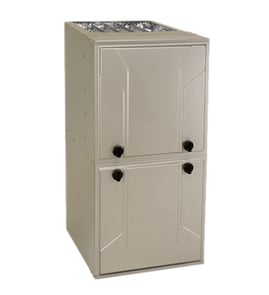



How many cfm is a typical furnace blower?
A typical residential furnace blower is commonly set up around 400 CFM per ton for cooling, and in heating it is adjusted to match the temperature rise range on the rating plate. On Icp NTC5100BFC1, the manual notes the factory speed-tap setup is based on nominal 400 CFM per ton; final airflow is set by the installed duct static pressure and speed-tap selection in the owner's manual.
Typical blower CFM you will see in homes
Actual delivered airflow varies by ductwork and blower speed, but these are common targets:
- Cooling target: nominal 400 CFM per ton (often adjusted slightly for comfort and humidity)
- Heating target: whatever CFM produces the rated temperature rise on the furnace nameplate
- Many systems land in: roughly 1,200 to 2,000 CFM depending on size and duct resistance
How NTC5100BFC1 airflow is set
This furnace does not have one fixed CFM number; airflow is established by blower speed taps and the duct system.
- The electronic fan control uses heating and cooling speed taps
- Higher blower speed increases CFM and lowers temperature rise
- Lower blower speed decreases CFM and raises temperature rise
- Dirty filters, undersized returns, and closed registers reduce delivered CFM
Quick comparison: speed change effects
| Change you make | Delivered airflow (CFM) | Heating temperature rise | What you may notice |
|---|---|---|---|
| Increase blower speed | Higher | Lower | Cooler supply air, better A/C airflow |
| Decrease blower speed | Lower | Higher | Warmer supply air, higher risk of limit trips |
What to check first (practical steps)
- Install a clean, correctly sized air filter and make sure the rack is sealed
- Open all supply registers and return grilles
- Look for crushed flex duct, closed dampers, or blocked returns
- After 10 to 15 minutes of steady heat, measure temperature rise and compare to the rating plate
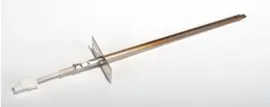
- If the furnace overheats or shuts off on safety, test the limit circuit and replace a failed limit switch 1013102
Why it matters
Correct CFM protects the heat exchanger, prevents nuisance shutdowns from the temperature limit, and keeps heating and cooling performance consistent across your duct system.
Last updated: February 2026
Is it worth fixing a 20 year old furnace?
For a 20-year-old Icp gas furnace like model NTC5100BFC1, it’s usually worth fixing only when the problem is small and the repair restores safe, reliable heat. If you’re facing repeated breakdowns, major component failure, or safety-related venting or heat exchanger concerns, replacement is the better long-term value.
Quick decision checklist
- Choose repair when the issue is isolated (for example, a failed capacitor, limit switch, or igniter) and the furnace has been otherwise dependable.
- Choose replacement when you’ve had frequent service calls, comfort problems, or expensive failures (gas valve, heat exchanger, major blower issues).
- Treat venting and combustion air problems as high priority; improper venting is a safety risk.
- If the furnace is in a corrosive environment (chlorine/fluorine fumes), long-term reliability drops.
- Plan on annual inspection and service to reduce surprise failures.
Common “worth fixing” repairs for this model
These are typical, contained repairs that often make sense on an older furnace when the rest of the system is in good shape:
- Weak or failed run capacitor: cap rnrd 12907
- Furnace overheating trips: limit switch 1013102 or limit switch 1013105
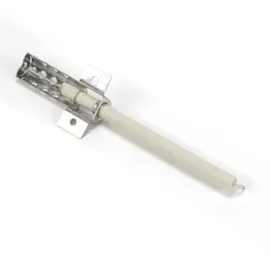
- Ignition problems: furnace pilot igniter and sensor 1009524
- Blower airflow issues (noise, wobble, poor airflow): furnace blower fan wheel 601210
Repair vs. replace: practical comparison
| Situation | Usually do this | Why |
|---|---|---|
| One-time electrical/ignition failure | Repair | Lower cost, fast restore of heat |
| Repeated lockouts, nuisance trips, or multiple parts failing | Replace | Costs stack up and reliability stays poor |
| Venting/chimney sizing or combustion air problems | Repair correctly or replace | Safety and code compliance come first |
| Major component failure (gas valve, heat exchanger) | Replace | High part and labor cost on an older unit |
Why it matters (safety and reliability)
Your NTC5100BFC1 must be vented correctly and have adequate combustion air; the manual warns that improper venting can create a carbon monoxide hazard. It also recommends annual inspection and service before the heating season. Use the owner's manual to review venting, clearances, and maintenance expectations.
Last updated: February 2026
What is the most common part to fail on a furnace?
The most common “failure point” on an Icp NTC5100BFC1 gas furnace is usually airflow related: a dirty air filter or blocked return/supply airflow overheats the furnace and trips a safety shutdown. After airflow, the next most common failures are ignition sensing and safety controls.
What typically fails first (in order)
These are the most frequent causes we see when a furnace stops heating or short-cycles:
- Air filter and airflow restrictions (dirty filter, closed registers, blocked return)
- Flame sensing/ignition components (dirty sensor, weak igniter, poor grounding)
- Limit switches (open from overheating or age)
- Run capacitor or blower motor issues (weak capacitor, stiff motor bearings)
- Venting/combustion air problems (blocked flue, improper draft)
For model-specific safety and setup details (venting, gas piping, temperature rise, blower speed taps), use the owner's manual.
Quick checks you can do safely before replacing parts
We recommend these basic checks first because they solve many “no heat” calls without parts:
- Replace the air filter and make sure all supply registers are open
- Confirm the thermostat is set to HEAT and the setpoint is above room temperature
- Check the furnace power switch and the circuit breaker
- Look for a blocked exhaust/vent termination outside
- If the furnace starts then shuts off quickly, suspect overheating (airflow) or flame-sensing
Common parts that fail on this model
If airflow is good and the furnace still shuts down, these parts are common suspects on the NTC5100BFC1:
| Symptom | Common cause | Example part on this page |
|---|---|---|
| Blower runs but burners shut off | High temperature condition | Limit switch 1013102 |
| Burners light then go out | Ignition sensing issue | Furnace pilot igniter and sensor 1009524 |
| Hums, hard starts, or blower struggles | Weak capacitor | Cap rnrd 12907 |
Why it matters
Airflow problems do more than stop heat; they repeatedly overheat the heat exchanger area and trigger safety controls. The manual’s temperature rise and blower speed guidance is there to keep the furnace operating in a safe range.
Last updated: February 2026
What is the most expensive part to fix on a furnace?
On an Icp gas furnace like model NTC5100BFC1, the most expensive single repair is typically the heat exchanger because the part is costly and replacement labor is extensive. Other high-cost repairs often involve the gas valve and blower components.
Most expensive furnace parts (typical)
Costs vary by furnace size, venting setup, and labor rates, but these are the repairs that most often land at the top of the bill:
- Heat exchanger (highest cost in most cases)
- Gas valve
- Blower assembly components (blower wheel, motor, capacitor)
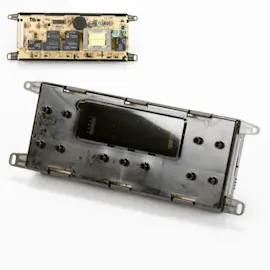
- Control board or fan timer/relay
- Draft/combustion air and venting related corrections (when required by code)
How this relates to NTC5100BFC1 parts on this page
For this model, we commonly see the highest part prices in major assemblies. Examples from the parts list include:
| Component type | Example part on this model | Why it can be expensive |
|---|---|---|
| Heat exchanger | Heat exchange 1014491 | Major sealed component; labor-intensive replacement |
| Gas valve | Valve 1170430 | Precision gas control part; requires careful setup and testing |
| Blower air-moving parts | Furnace blower fan wheel 601210 | Larger assembly; can require significant disassembly |
Why the heat exchanger is usually the costliest
The heat exchanger sits in the hottest part of the furnace and is central to safe operation. Replacement often involves substantial teardown and reassembly, plus verifying venting and combustion air.
The NTC5100BFC1 documentation also emphasizes correct venting and clearances to help prevent unsafe operation and performance problems; we recommend following the venting and clearance requirements in the owner's manual.
What to check before you commit to a major repair
Before replacing a high-dollar component, we recommend these practical checks (many are quick and low-cost):
- Confirm the exact model number from the furnace rating plate matches NTC5100BFC1
- Check the air filter and supply/return airflow for restrictions (overheating can trip limits)
- Inspect venting for blockage, corrosion, or improper slope
- Look for repeated high-temperature shutdowns (often tied to a limit switch)
- If you are testing electrical components, use proper meter technique and power safety
Why it matters: Knowing which parts drive repair cost helps you prioritize diagnosis. A simple airflow issue can mimic a major failure, while a true heat exchanger or gas valve problem typically justifies a professional evaluation.
Last updated: February 2026