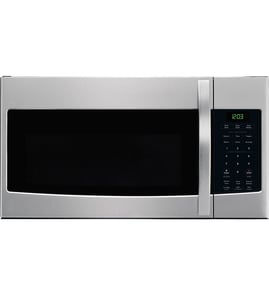


Are all low profile microwaves 18 inches deep?
No. Low-profile microwaves are not all 18 inches deep. For the Frigidaire FMOS184LBFA microwave/hood combo, the exact front-to-back depth is not something we can identify from the model-specific information available here, so we recommend confirming depth from the product label/spec sheet before buying or installing.
What “low profile” usually means for depth
Low-profile over-the-range microwaves are designed to be shorter in height than many standard OTR models, but depth can still vary by brand and design.
Typical depth ranges you will see:
- About 15 to 18 inches deep is common
- Some models run slightly under 15 inches
- Some models can be around 18 inches depending on door design and trim
How to measure depth the right way
Depth can be listed or measured in more than one way. To avoid fit issues, measure the space and the microwave the same way.
- Measure cabinet face to the furthest forward point (often the door handle)
- Check clearance to adjacent doors, pantry pulls, and backsplash
- Confirm the venting setup (recirculating vs. ducted) does not change required clearances
- If replacing an older unit, measure the old microwave’s depth the same way
Depth definitions (quick comparison)
| What’s being measured | What it includes | Why it can differ |
|---|---|---|
| Cabinet depth | Main body only | Door and handle may stick out more |
| Overall depth | Body plus door/handle | Most important for walkway clearance |
| Installed projection | Overall depth plus mounting/spacing | Can change with wall/cabinet conditions |
Why it matters
Depth affects more than looks. It can impact headroom at the cooktop, how far the door swings into the kitchen, and whether the vent damper and ducting align cleanly.
When parts come into play
If you are swapping units or changing venting, the mounting and vent components must match the installation layout. For example, a different depth or vent configuration can affect how the vent damper seats and opens.
Helpful related part for this model:
Last updated: January 2026
How do you know if an over-the-range microwave will fit?
For a Frigidaire FMOS184LBFA over-the-range microwave/hood combo, fit is determined by your cabinet opening, required cooktop clearance, and whether your venting and mounting-hole locations match the new unit. Because mounting patterns vary by model, measuring and comparing specs prevents rework.
Measurements to confirm
Measure in inches and compare to the new microwave’s published dimensions and installation requirements.
- Cabinet opening width (many OTR units target 30 inches, but measure yours)
- Upper cabinet depth and face alignment (how far the unit will project)
- Distance from cooktop to the bottom of the microwave (minimum clearance)
- Upper cabinet interior space for the power cord and top mounting bolts
- Back wall condition (solid framing or proper anchors for the mounting plate)
- Venting direction needed: rear (wall), top (roof), or recirculating
Venting and mounting: what must match
OTR microwaves are not universal-fit; the rear mounting plate position and duct cutouts can differ.
| Item to match | What to check | Why it matters |
|---|---|---|
| Rear mounting plate location | Hole pattern and plate height | Keeps the unit level and securely supported |
| Top cabinet holes | Bolt spacing and cord hole location | Allows safe fastening and power routing |
| Vent type | Top, rear, or recirculating | Prevents restricted airflow and noisy operation |
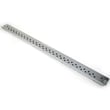
If you are reusing existing hardware, inspect the rear mounting plate and replace it if it is bent or damaged. For FMOS184LBFA, the compatible replacement listed for this model is crosley microwave mounting plate, rear 5304509487 (the brand name shown on the part listing can differ, but compatibility is based on the model’s parts list).
Quick fit checklist
- Confirm cabinet opening width and depth
- Verify outlet location and cord reach
- Identify venting method (top, rear, recirculating)
- Confirm wall support for the microwave weight
- Compare mounting plate and top-bolt locations
Why it matters
Correct fit protects your cabinets and keeps the exhaust fan moving air properly; it also helps prevent vibration, excess noise, and unsafe clearance over the cooktop.
Last updated: January 2026
What is the average lifespan of a Frigidaire microwave?
A Frigidaire microwave, including the FMOS184LBFA over-the-range microwave/hood combo, typically lasts 7 to 8 years with normal household use. Keeping the cavity clean, maintaining airflow, and avoiding door abuse helps key components like the door switches and cooling fan last longer.
What affects lifespan the most
- Ventilation and heat: Grease buildup and restricted airflow make the unit run hotter.
- Door use: Slamming or pulling on the handle stresses latches and interlock switches.
- Cleaning habits: Food splatter and grease can lead to odors, arcing, and corrosion.
- Power quality: Surges can damage the control board.
- Usage patterns: Long cook times and frequent reheating add wear.
Maintenance that helps your FMOS184LBFA reach (or beat) the average
- Wipe the interior after spills; dry it so moisture does not linger.
- Run the hood fan when cooking on the range to reduce heat and grease exposure.
- Clean or replace the grease filter when airflow drops; see microwave grease filter 5304517871.
- Do not run the microwave empty; it can overheat internal components.
- If the door feels loose or the unit will not start, stop using it and inspect the door safety system; a common wear item is the microwave door interlock switch 5304509460.
Quick “repair or replace” guide
| What you notice | Common cause | Typical next step |
|---|---|---|
| Runs but does not heat | High-voltage component issue | Service diagnosis (high voltage) |
| Starts only when door is pushed | Door switch or latch wear | Check/replace door switch |
| Loud humming or burning smell | High-voltage or fan problem | Stop use; service diagnosis |
| Weak venting over the range | Grease filter clogged | Clean/replace filter |
Why it matters
Microwaves contain high-voltage components, so knowing the typical 7 to 8 year lifespan helps you decide when routine maintenance is enough versus when a recurring heating or door-safety problem is a better candidate for professional service or replacement.
Last updated: January 2026