Owner’s manual
 Error Codes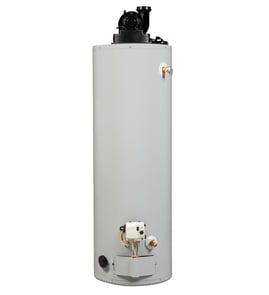





What is the typical lifespan of a gas hot water heater?
A typical gas water heater lasts 8 to 12 years with normal use and basic maintenance. For your American FG1F5040T3PV gas water heater, regular draining and flushing plus periodic anode-rod inspection are the biggest factors that help the tank reach that expected service life (see the owner's manual).
Typical lifespan ranges
Most homes see these averages:
| Water heater type | Typical lifespan |
|---|---|
| Gas tank water heater | 8 to 12 years |
| Electric tank water heater | 10 to 15 years |
What shortens or extends tank life
These conditions have the biggest impact on how long a gas tank water heater lasts:
- Water quality and corrosion (hard water, aggressive water, or softened water can increase corrosion)
- Anode rod condition (a depleted anode rod speeds up tank corrosion)
- Sediment buildup (reduces efficiency and can overheat the tank bottom)
- Temperature setting (higher settings increase stress on the tank and components)
- Maintenance consistency (periodic flushing and inspections)
Maintenance that helps you reach 8 to 12 years
Use the schedule below as a practical baseline for FG1F5040T3PV-STYLE gas water heaters:
| Task | Good interval | What it helps prevent |
|---|---|---|
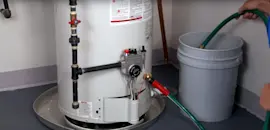
| Drain and flush the tank | Every 6 to 12 months | Sediment buildup, rumbling, reduced heating efficiency |
| Inspect anode rod | About every 3 years | Premature tank corrosion |
| Check the T and P relief valve for proper operation | At least yearly | Unsafe pressure or temperature conditions |
If you find the anode rod is more than about 50% depleted, replacing it is a strong life-extending step; the water heater anode rod 100109594 is a model-listed option.
Why it matters
Once the tank itself corrodes through, the water heater is no longer a practical repair. Staying ahead of corrosion (anode rod) and sediment (flushing) is what most often separates a short-lived tank from one that reaches the normal 8 to 12 year range.
Last updated: February 2026
What is the average cost to install a 40 gallon gas water heater?
Installing a 40-gallon gas water heater like the American FG1F5040T3PV typically runs about $900 to $3,000+ total (heater, labor, and common materials). The biggest cost swings come from venting, gas piping changes, permits, and any code-required safety upgrades; confirm requirements in the owner's manual.
Typical cost breakdown (what you are paying for)
- Water heater unit: often $400 to $1,000 for a standard 40-gallon tank
- Labor: commonly $500 to $2,000+ depending on complexity and local rates
- Materials: vent pipe/fittings, gas shutoff/sediment trap, water connectors, drain pan, and misc. hardware
- Permits/inspection: varies by area; often required for gas appliances
- Optional but common add-ons: expansion tank (closed systems), new shutoff valves, or venting corrections
What makes a gas install cost more
Gas water heater replacements cost more than electric most often because the installation has more safety and code-sensitive steps.
| Cost driver | Why it adds cost | Common examples |
|---|---|---|
| Venting | Must draft correctly and terminate properly | New vent connector, chimney liner, more elbows/length |
| Gas supply | Pipe sizing and fittings must match BTU demand | New gas line run, upsizing pipe, adding shutoff |
| Location changes | Moving the tank increases labor and materials | Relocating near vent, rerouting water lines |
| Safety upgrades | Prevents property damage and pressure issues | Drain pan, T&P discharge piping, expansion tank |
Quick checklist before you get quotes
- Verify whether your FG1F5040T3PV is set up for natural gas or LP/propane.
- Confirm the vent type and route (shorter and simpler usually costs less).
- Check if you have a closed water system; thermal expansion can cause T&P discharge.
- Plan for a drain pan if leakage could damage floors or finished areas.
- Ask whether the quote includes permit and inspection.
Why it matters
A low quote that skips venting, gas piping, or pressure control details can lead to nuisance shutdowns, poor performance, or water damage. Following the installation requirements in the owner's manual helps you compare quotes on an apples-to-apples basis.
Last updated: February 2026
What is the most reliable gas hot water heater?
Reliability comes down to correct sizing, proper venting, correct gas type, and routine maintenance more than a single “best” brand. If you already own an American FG1F5040T3PV gas water heater, the most reliable path is keeping it installed and serviced to the requirements in the owner's manual and replacing wear items promptly.
What to look for in a reliable gas water heater
- Correct fuel match (natural gas vs LP) to the data plate
- Proper venting and combustion air (Category I, non-direct vented setups must be installed correctly)
- A correctly installed temperature and pressure relief valve with a discharge line to an open drain
- A gas shut-off valve, union, and drip leg in the supply line
- Periodic maintenance (tank draining, inspection for leaks, burner area kept clear)
Practical reliability checklist for FG1F5040T3PV
Use these checks to reduce nuisance shutdowns and premature part failures:
- Confirm the gas supply type matches the heater data plate before lighting.
- Make sure the tank is completely filled with water before lighting the pilot.
- Check all gas connections with an approved leak-check method.
- Keep the burner and air intake area unobstructed.
- If the system has been unused for 2 weeks or more, run hot water at a faucet for several minutes before using any electrical appliance connected to the hot water system.
Common “reliability” parts that often get replaced
These parts are commonly involved when a gas water heater won’t stay lit, leaks, or won’t drain well:
| Symptom | Often involved part | Example part for this model |
|---|---|---|
| Pilot will not light or won’t stay lit | Pilot/ignition components | Water heater pilot igniter 100110936 |
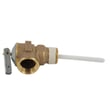
| Water leaking from relief line | Temperature and pressure relief valve | T&p valve 100108279 |
| Tank won’t drain or drain valve leaks | Drain valve | Drain valve 100109106 |
Why it matters
A “reliable” gas water heater is one that is installed to code, matched to the correct gas, and maintained. Those basics prevent unsafe conditions, reduce ignition problems, and help the heater deliver consistent hot water over time.
Last updated: February 2026
What is the average cost of a 50 gallon gas water heater?
A typical 50-gallon gas water heater usually runs about $600 to $1,200 for the tank, and about $900 to $3,100 installed once labor, venting, gas piping, and code-required fittings are included. For your American FG1F5040T3PV, installation details in the owner's manual can shift the total cost.
What drives the installed price
Installed cost varies most based on venting and gas supply requirements, plus how much plumbing has to be reworked.
- Vent type and whether the existing venting can be reused
- Gas line size and total run length (may require upsizing)
- Water shutoff, connectors, and any needed pipe changes
- Condition of the existing tank area (pan, drain, access)
- Permit/inspection requirements in your area
- Disposal and haul-away of the old heater
Typical cost ranges (what most homeowners see)
These ranges help you budget; your final price depends on the heater type (standard atmospheric vent vs. power-vent) and the amount of rework.
| Cost item | Typical range | Notes |
|---|---|---|
| Water heater unit (50-gal gas) | $600 to $1,200+ | Higher for premium features and some venting types |
| Professional installation labor and materials | $300 to $1,900+ | Higher when venting or gas piping must be modified |
| Total installed (common overall range) | $900 to $3,100+ | Wide range due to site conditions |
Quick checks that affect your quote
These are common items installers evaluate before giving a firm price.
- Gas supply sizing: The manual includes gas pipe capacity guidance and sizing concepts for natural gas and LP runs. See the owner's manual.
- Combustion air and ventilation: Confined spaces and tight construction can require additional combustion air provisions.
- Thermal expansion control: In closed water systems, an expansion tank is commonly used; the manual notes a minimum 1.5-gallon expansion tank capacity per 50 gallons stored.
Why it matters
A low unit price can turn into a high installed price if venting, combustion air, or gas piping needs changes. Budgeting with the installation requirements in mind helps avoid surprises and supports safe, reliable operation.
Last updated: February 2026