Installation guide
 Owner’s manual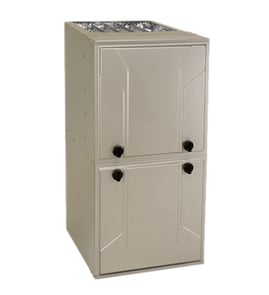



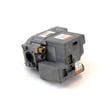
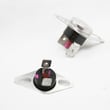
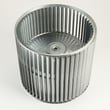

What is the most expensive part to fix on a furnace?
On the Icp C9MPD075F12B1 90+ single-stage gas furnace, the most expensive repair is typically a major component replacement, especially the heat exchanger (high labor and safety-critical work). After that, inducer and blower motor repairs are usually the next biggest costs.
Typical high-cost furnace repairs (most to least expensive)
- Heat exchanger replacement (often the top cost because it is labor-intensive)
- Inducer/vent motor assembly replacement (draft and venting)
- Blower motor replacement (airflow through ducts)
- Gas valve replacement (fuel control)
- Control board replacement (varies by furnace)
What that looks like for model C9MPD075F12B1
Your manual includes additional warranty terms that list the C9MPD series under heat exchanger coverage, which is one reason the heat exchanger is treated as a “major” repair item. Use the C9MPD075F12B1 owner's manual to confirm coverage terms and maintenance requirements.
| Repair item | Why it gets expensive | What you may notice |
|---|---|---|
| Heat exchanger | Major disassembly, combustion safety checks | Odors, poor heat, repeated shutdowns |
| Inducer/vent motor | Venting and pressure proving must be correct | No ignition, pressure switch issues |
| Blower motor | Motor, capacitor, and setup time | Weak airflow, overheating, noise |
| Gas valve | Gas train setup and verification | No heat, burners not lighting |
Parts on this model that can drive repair cost
If a technician diagnoses one of these components, having the exact part ID helps match the correct replacement:
- Furnace blower fan motor, 1/2-hp 1013341 (main circulating blower)
- Furnace blower vent 1172823 (inducer vent motor assembly)
- Gas valve SV9641M4510 (controls gas flow to the burners)
Why it matters
High-cost furnace repairs are tied to combustion safety and airflow. The manual also emphasizes following warnings and using qualified service for installation, adjustment, and maintenance, which is especially important for heat exchanger and gas valve work.
Last updated: February 2026
What are the parts of the furnace?
For the Icp C9MPD075F12B1 90+ single-stage gas furnace, the main parts include the burners and ignition system, heat exchanger, inducer (draft) assembly, blower assembly, safety switches, gas valve, venting, and condensate drain system; these work together to light the flame, move air, and shut the furnace down if conditions are unsafe. For model-specific layouts and service clearances, use the C9MPD075F12B1 owner's manual.
Core furnace parts and what they do
- Burners: mix gas and air to create a stable flame (heat source).
- Ignition and flame proving: lights the burners and confirms flame is present (igniter plus flame sensor).
- Heat exchanger: transfers heat to the air moving through the furnace.
- Inducer (draft) assembly: pulls combustion gases through the heat exchanger and into the vent.
- Blower assembly: pushes heated air through the ductwork.
- Gas valve: opens and closes gas flow to the burners.
- Safety controls: limit switch, door switch, and other safeties that stop operation if needed.
Model-specific parts we commonly see replaced on C9MPD075F12B1
Here are examples of parts listed for this model and what they typically affect:
| Part (example) | What it supports | Common symptom when failing |
|---|---|---|
| Furnace pilot igniter and sensor 1009524 | Ignition and flame sensing | No heat, burners will not stay lit |
| Gas valve SV9641M4510 | Gas flow control | No ignition, intermittent heat |
| Furnace temperature limit switch 1013102 | Overheat protection | Short cycling, blower runs with no heat |
| Furnace door switch 1171981 | Cabinet safety interlock | Furnace appears dead when door is off/misaligned |
| Furnace blower fan motor, 1/2-hp 1013341 | Air circulation | Weak airflow, overheating, noisy operation |
Why it matters
Knowing the major components helps you troubleshoot safely and order the correct replacement part. For example, the manual recommends regular inspection of venting and burner flame appearance, and it calls out that the drain and overflow lines should be inspected monthly on condensing equipment.
Quick safety and inspection reminders
- Keep the furnace area clear of flammables.
- Do not block combustion air openings or ducts.
- Inspect venting for obstructions and corrosion.
- Check burner flame: stable blue flames are expected; solid yellow tipping is not.
- Inspect the condensate drain line and overflow line monthly.
Last updated: February 2026
What is the most common part to fail on a furnace?
On the Icp C9MPD075F12B1 90+ single-stage gas furnace, the most common “failure” we see is actually a maintenance item: a dirty or clogged air filter that restricts airflow, overheats the furnace, and triggers a safety shutdown. Next most common are ignition and flame-sensing issues.
What fails most often (and what to check first)
- Air filter (most common): Inspect monthly; replace or clean as needed.
- Flame sensing and ignition: A dirty flame sensor or a worn igniter can prevent reliable burner operation.
- Safety switches: A tripped limit switch or open door switch can stop heat.
- Draft/venting proving: Pressure switch tubing cracks or venting issues can interrupt the heat cycle.
- Gas control problems: Less common, but a failing gas valve can prevent ignition.
Common symptoms and the likely culprit
| Symptom | What it often points to | What we do first |
|---|---|---|
| Furnace starts then shuts off quickly | Restricted airflow, overheating | Check filter and return air path |
| Blower runs but no heat | Ignition/flame sensing issue | Inspect igniter and sensor circuit |
| No response when door is on/off | Door safety circuit | Check door switch alignment |
| Repeated lockouts | Draft proving or ignition failures | Check venting, pressure switch tubing |
Model-relevant parts that commonly solve “no heat”
If your troubleshooting points to ignition or safety shutdowns, these are frequent repair parts for this model:
- Furnace pilot igniter and sensor 1009524 (ignition and flame sensing)
- Igniter 1149856 (hot surface ignition)
- Furnace temperature limit switch 1013102 (overheat safety)
- Furnace door switch 1171981 (cabinet safety interlock)
- Gas valve SV9641M4510 (gas flow control)
Why it matters
A clogged filter or blocked airflow does not just reduce comfort; it can cause overheating and repeated safety trips. The manual for this furnace calls out monthly filter inspection and replacement/cleaning as needed, and notes that dirty filters are a leading cause of poor heating performance. Use the C9MPD075F12B1 owner’s manual to follow the correct shutdown steps before opening panels.
Last updated: February 2026