Owner’s manual
 Error Codes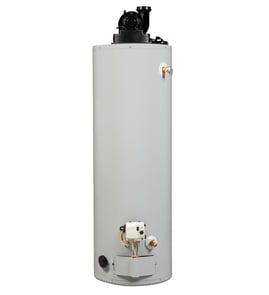



What is the average cost of a 50 gallon gas water heater?
A typical 50-gallon gas water heater usually costs about $700 to $1,800 for the unit, with installed totals commonly around $1,500 to $3,500+ depending on venting, gas-line work, and local labor rates. For model FG1F4034T3NOV, use the FG1F4034T3NOV owner's manual to confirm fuel type, venting, and installation requirements that can change the installed price.
Installed cost varies because gas water heaters often require code-compliant venting and combustion air, plus safe gas piping.
- Tank type and efficiency: standard atmospheric vent vs. higher-efficiency designs
- Venting changes: new draft hood/vent connector sizing, chimney liner, or power vent conversion
- Gas supply work: pipe sizing, shutoff valve, sediment trap, leak testing
- Water piping updates: new shutoffs, dielectric unions, expansion tank in closed systems
- Disposal and access: hauling the old tank, tight closet installs, stairs
| Cost item | Typical range | Notes |
|---|---|---|
| 50-gallon gas water heater (unit only) | $700 to $1,800 | Brand, warranty length, efficiency |
| Basic installation labor | $800 to $1,700 | Straight swap with minimal changes |
| Venting or gas-line modifications | $200 to $1,500+ | Can be higher if major rework is needed |
| Total installed (common) | $1,500 to $3,500+ | Local rates and scope drive the spread |
Your American FG1F4034T3NOV is a gas water heater, so installers price in combustion air, venting, and gas piping considerations.
- Combustion air: confined spaces need adequate air volume and openings
- Gas pipe sizing: pipe diameter and length must support the heater’s BTU input
- Thermal expansion control: closed water systems often need an expansion tank
Underpricing the job usually means venting, combustion air, or gas piping gets “patched” instead of corrected. Those items are the most common reasons a simple replacement turns into a higher installed total.
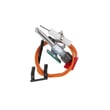
If you are comparing repair vs. replace, pricing a few common parts can help you decide. For example, a leaking relief valve or a no-heat ignition issue may be repairable with parts like the t&p valve 100108279 or the water heater pilot and igniter assembly 100093810. You can order model-matched parts from the list for FG1F4034T3NOV, or search by model on Sears PartsDirect.
Last updated: February 2026
Why do plumbers not recommend tankless water heaters?
Plumbers often steer customers away from tankless water heaters because real-world installs can cost more, require gas-venting or electrical upgrades, and still deliver limited hot-water flow when multiple fixtures run at once. For your American FG1F4034T3NOV tank-style gas water heater, the FG1F4034T3NOV owner's manual covers safe operation details like condensation, normal sounds, and temperature guidance.
- Higher installed cost: the unit plus labor, venting, and possible gas line upsizing.
- Flow-rate limits: hot water is “endless,” but gallons-per-minute can be the bottleneck.
- Cold-climate performance: colder incoming water reduces output at a given flow.
- Maintenance expectations: periodic descaling and inlet screen cleaning are routine.
- Venting and combustion requirements: incorrect venting or air supply causes nuisance shutdowns and performance issues.
- Retrofit complexity: relocating the heater, condensate drainage (some models), and code-compliant vent routing can add time.
| Feature | Tankless water heater | Tank-style gas water heater (like FG1F4034T3NOV) |
|---|---|---|
| Hot water delivery | On-demand, limited by flow rate | Stored hot water, strong short-term peak delivery |
| Upfront install | Often higher | Often lower |
| Maintenance | Descale regularly | Flush sediment periodically |
| Best fit | Lower simultaneous demand, space savings | Families, multiple fixtures, predictable peak use |
Use these checkpoints before replacing a working tank heater:
- Count how many showers, faucets, dishwasher, and laundry can run at the same time.
- Confirm your fuel type and capacity needs (natural gas vs. propane, electrical service).
- Plan for routine maintenance (descaling schedule and water quality considerations).
- Compare total installed cost, not just the unit price.
Many “tankless advantages” are really about efficiency and space, not necessarily better comfort. With a tank-style heater, comfort problems are more often tied to temperature setting, sediment, or safety controls. Your manual notes that condensation and sizzling noises can be normal during startup or heavy hot-water use, and that water temperatures above 120°F increase scald risk in some applications. For parts and repairs on this model, common service items include the water heater pilot and igniter assembly 100093810 and the t&p valve 100108279, and you can also search by model number on Sears PartsDirect.
Last updated: February 2026
What is the typical lifespan of a gas hot water heater?
A typical gas water heater lasts 8 to 12 years. For your American FG1F4034T3NOV, regular maintenance (especially draining/flushing and periodic anode-rod inspection) is what most directly determines whether you land closer to 8 years or closer to 12; see the FG1F4034T3NOV owner's manual for the maintenance schedule.
- Gas tank water heater: 8 to 12 years
- Electric tank water heater: 10 to 15 years
- Hard water or softened water: often shortens tank life because it increases corrosion risk
- No maintenance: commonly leads to early failure from sediment buildup and corrosion
| Water heater type | Typical lifespan | What usually ends it first |
|---|---|---|
| Gas tank | 8 to 12 years | Tank corrosion, sediment, burner or gas control issues |
| Electric tank | 10 to 15 years | Heating element failure, tank corrosion |
The single most important “life extender” on a tank-style water heater is corrosion protection and sediment control.
- Inspect the anode rod about every 3 years and replace it when it is more than 50% depleted (this is a key tank-protection step).
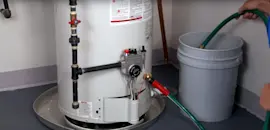
- Drain and flush the tank periodically to reduce sediment that can overheat the tank bottom and reduce efficiency.
- Watch for water odor or discoloration; the manual notes an anode-related “rotten egg smell” can occur, and removing the anode permanently is not recommended.
- Keep combustion air and venting in good condition so the burner runs cleanly and safely.
- Replace leaking service valves promptly to prevent water damage and keep maintenance easy (for example, a leaking drain valve).
These are common service items for the FG1F4034T3NOV that we see customers replace as the unit ages:
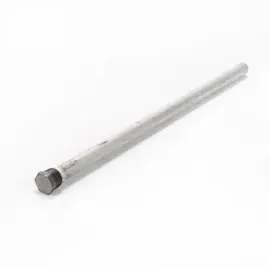
- Water heater anode rod 100109594
- Drain valve 100109106
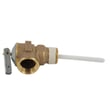
- T&p valve 100108279
- Water heater pilot and igniter assembly 100093810
You can order model-matched replacement parts from the parts list for this model, or search by model number on Sears PartsDirect.
Once a tank starts leaking from internal corrosion, replacement is the practical fix. Staying ahead of corrosion (anode rod) and sediment (flushing) helps you avoid sudden loss of hot water and can keep your gas water heater operating efficiently for its full expected lifespan.
Last updated: February 2026
What is the most common problem with gas water heaters?
The most common gas water heater problem is ignition failure, meaning the pilot will not light or will not stay lit. On American FG1F4034T3NOV models, this usually traces to the pilot/igniter components, gas control issues, or airflow and safety shutdown conditions; use the FG1F4034T3NOV owner's manual for the exact lighting and safety steps.
- Pilot flame will not stay lit because the pilot/igniter assembly is failing or dirty.
- Gas control valve problems (gas not regulating correctly or shutting down unexpectedly).
- Restricted combustion air or venting issues that cause poor flame or safety shutdown.
- Sediment in the tank causing short cycling and temperature swings (often noticed as inconsistent hot water).
- Temperature and pressure relief valve weeping or leaking (a safety valve issue).
| Symptom | Most likely cause | What to do next |
|---|---|---|
| Pilot will not light | Igniter/pilot issue, gas supply off | Confirm gas shut-off valve is open; follow lighting steps in the manual |
| Pilot lights but goes out | Pilot/igniter assembly failing, airflow issue | Inspect for lint/dust around burner area; replace pilot/igniter parts if needed |
| Water too hot or temperature swings | “Stacking” from short draws, thermostat setting | Set a safe starting point around 120°F; consider an anti-scald device |
| Drips from discharge pipe | T&P valve opening or leaking | Test and replace the relief valve if it will not reseat |
If your FG1F4034T3NOV is having ignition trouble, these model-matched parts are the most common fixes:
- Water heater pilot and igniter assembly 100093810
- Water heater pilot igniter 100110927
- Water heater pilot igniter 100110936
- Water heater piezo igniter bracket 100093718
For safety, we follow the manual’s warnings closely; for example, if the heater has been under water, the manual directs that it must not be used.
Ignition and flame problems are not just “no hot water” issues; they can also create unsafe operating conditions. Your manual also notes that overheating requires shutting off the manual gas control valve and having the system serviced, and that water temperatures above 125°F can scald quickly.
You can order the parts listed for FG1F4034T3NOV on this page, or search by model number on Sears PartsDirect.
Last updated: February 2026
What is the average cost of replacing a gas hot water heater?
Replacing an American FG1F4034T3NOV gas water heater with a comparable tank-style gas unit typically costs $1,600 to $2,400 installed. The total is driven by labor plus any required venting, gas-line, and plumbing updates needed to meet safe installation requirements.
- Venting work: replacing or resizing the draft hood or vent connector, correcting vent slope, or repairing a chimney connection
- Gas piping changes: upsizing pipe to match BTU demand and pipe length, adding a sediment trap, replacing a shutoff valve
- Plumbing updates: new shutoff valve, adding unions for serviceability, replacing corroded nipples or connectors
- Closed system protection: adding an expansion tank or relief device on the cold line (common in closed systems)
- Safety and code items: proper T&P discharge piping, combustion air requirements, seismic strapping where required
- Access and removal: tight closets, attics, crawlspaces, and haul-away fees
| Cost item | Typical share of total | What it covers |
|---|---|---|
| Water heater | 35% to 55% | Tank, burner system, warranty tier |
| Labor | 30% to 45% | Removal, install, testing, startup |
| Materials and upgrades | 10% to 25% | Venting parts, gas fittings, valves, expansion tank |
| Disposal/haul-away | 0% to 10% | Old unit removal and disposal |
Your FG1F4034T3NOV installation requirements include items that can affect scope and cost:
- Gas supply sizing is based on the heater’s BTU input and total pipe length.
- The manual recommends unions on hot and cold lines to simplify future service.
- A tempering (anti-scald) valve is recommended to control point-of-use water temperature.
For the exact installation and gas supply guidance, use the FG1F4034T3NOV owner’s manual.
A correct vent and properly sized gas supply help ensure safe combustion, reliable ignition, and stable hot water performance; those items often explain why two “same size” replacements can have very different installed prices.
If you are comparing repair vs. replace, pricing common safety and ignition parts like the water heater pilot and igniter assembly 100093810 or t&p valve 100108279 can help you estimate repair cost before committing to a full replacement.
Last updated: February 2026