Installation guide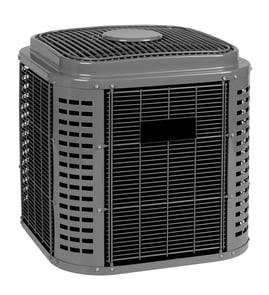





Can I replace AC spare parts myself?
Yes, you can replace some parts on your Icp HAC236AKA1 condensing unit yourself when the work stays on basic cleaning, mechanical repairs, or straightforward electrical component swaps. Use the installation guide safety precautions; improper service can create shock hazards and can void the warranty.
What you can usually do yourself
These are common DIY tasks when you can shut off power and verify it is off with a meter:
- Clean debris from the outdoor coil; keep at least 2 feet of clearance around coil air inlets
- Clean only when the coil is cold; use an alkaline based coil cleaner (not acid)
- Inspect for damaged wiring and replace visibly damaged leads
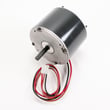
- Replace a failed condenser fan motor such as the central air conditioner condenser fan motor, 1/3-hp 1085926 when the fan will not run
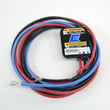
- Replace a damaged lead such as the plug wire 1083654 when a connector or wire is burned or broken
What we do not recommend as DIY
Leave sealed-system and refrigerant work to a qualified technician:
- Recovering, evacuating, or charging refrigerant (R-22 can cause frost-bite burns and is toxic when burned)
- Opening refrigerant lines, changing line-set lengths, or leaving lines open to the atmosphere
- Changing restrictor/orifice components unless you are trained and have the correct indoor-outdoor match information
Safety checklist before you start
Follow these steps every time you service the outdoor unit:
- Shut off power at the disconnect and breaker; then verify with a meter (never assume power is disconnected)
- Wear safety eyewear and work gloves; sheet metal edges are sharp
- Keep hands out of fan areas any time power could be present
- Keep the area dry and stable; do not work in standing water
Quick decision guide
| Task | DIY-friendly? | Why it matters |
|---|---|---|
| Clean outdoor coil and clear airflow | Yes | Restores efficiency and prevents overheating |
| Replace condenser fan motor | Yes (electrical safety required) | Prevents compressor overheating and shutdown |
| Replace damaged plug wire | Yes (electrical safety required) | Prevents intermittent operation and arcing |
| Open refrigerant lines or recharge | No | Requires specialized tools and procedures |
Why it matters
On a condensing unit like the HAC236AKA1, the biggest DIY risks are electrical shock and damaging the sealed refrigerant system. Staying with cleaning and accessible electrical parts keeps the repair safe and effective.
Last updated: February 2026
What is the average lifespan of a central air conditioning unit?
Most central air conditioning condensing units like the Icp HAC236AKA1 last 15 to 20 years with normal use and routine maintenance; systems with restricted airflow, dirty coils, or frequent electrical cycling typically wear out sooner.
Typical lifespan ranges
Lifespan depends on climate, run time, installation quality, and maintenance.
- Typical modern central AC: 15 to 20 years
- Older or poorly maintained systems: 10 to 12 years
- Best-case conditions: reaches the upper end of the range
| Situation | Expected lifespan | What drives the difference |
|---|---|---|
| Regular maintenance | 15 to 20 years | Cleaner coils, steadier pressures, fewer electrical failures |
| Dirty coil or blocked airflow | Shorter | Higher heat stress and operating pressures |
| Frequent cycling | Shorter | More wear on motors and switching components |
What helps your HAC236AKA1 last longer
The installation guidance for this model focuses on clearances, safe wiring, and keeping the outdoor coil unobstructed.
- Keep at least 24 inches of service clearance at the control box end or side when possible.
- Keep fences, shrubs, snow, and debris at least 2 feet from coil air inlets.
- Turn off power before cleaning; clean the coil only when it is cold.
- Use the correct electrical supply and copper conductors only.
- Fix hard-starting, buzzing, or rapid cycling early; those symptoms often involve electrical switching parts such as the central air conditioner condenser fan motor, 1/3-hp 1085926 or related controls.
Why it matters
As a central AC approaches end-of-life, it becomes less efficient and more repair-prone. Keeping airflow clear and electrical connections solid reduces heat and cycling stress, which are two of the biggest lifespan reducers.
For model-specific installation, clearance, and electrical requirements, follow the installation guide.
Last updated: February 2026
What is the most expensive part to replace on an AC unit?
On most central AC condensing units (including the Icp HAC236AKA1), the compressor is typically the most expensive single part to replace because it is the sealed, high-load component that pumps refrigerant through the system; compressor repairs also commonly require refrigerant recovery, evacuation, and recharging.
What usually costs the most (and why)
The compressor is the “engine” of the outdoor unit; when it fails, the repair often includes more than just the part.
Common high-cost items on a condensing unit include:
- Compressor (highest typical total repair cost)
- Condenser fan motor (mid-to-high cost; affects heat rejection)
- Electrical controls (contactor, wiring, connections)
- Refrigerant-related labor (recovery, vacuum, recharge, leak checks)
Parts on this model that can be involved in expensive repairs
If your HAC236AKA1 is not starting, is noisy, or is overheating, these model-listed parts are common suspects before a compressor is condemned:
Quick symptom-to-part checklist
| Symptom | Common outdoor-unit causes | What to check first |
|---|---|---|
| Outdoor unit will not start | Contactor, wiring, thermostat signal | Control voltage and contactor pull-in |
| Hums but fan does not spin | Fan motor, capacitor (if equipped) | Fan blade free-spin, motor amperage |
| Trips breaker on start | Compressor, wiring, hard-start needs | Wiring condition, start components |
| Runs but cools poorly | Refrigerant charge/airflow issues | Coil cleanliness, airflow, charge check |
Why it matters
A compressor replacement is expensive because it is both a major component and a system-level repair. Installation practices like correct wiring and proper refrigerant line setup help prevent repeat failures; our installation guide covers key items such as clearances, wiring areas, and refrigerant line length guidance.
Last updated: February 2026
What's the average cost of a new central air conditioning unit?
A new central air conditioning system (outdoor condensing unit plus the matched indoor coil/air handler) typically costs about $5,000 to $12,000 installed in many U.S. homes; higher-efficiency or more complex installs can run higher. For an Icp HAC236AKA1-type condensing unit replacement, the final price depends heavily on sizing, refrigerant line work, and electrical changes.
What drives the installed price
- System size (tons/BTU): Larger capacity usually costs more.
- Efficiency rating (SEER2): Higher efficiency equipment and required upgrades raise cost.
- Ductwork condition: Repairs, sealing, or replacement can add significant labor.
- Refrigerant line set work: Longer runs, vertical rises, or line replacement increase cost.
- Electrical and pad/stand changes: Disconnect, wiring, and mounting updates affect labor.
Model-relevant install details that affect labor
Your HAC236AKA1 is a split-system condenser/condensing unit. The installation guide calls out items that commonly change install scope and cost:
| Install factor | Typical impact on cost | Why it matters |
|---|---|---|
| Outdoor unit clearances | Low to moderate | Tight spaces can require relocation or site changes for airflow and service access. |
| Refrigerant line length and vertical separation | Moderate to high | Longer line sets often require additional refrigerant and more labor. |
| Airflow setup (indoor blower) | Moderate | Proper airflow is required before final charge adjustment for performance and reliability. |
Quick budgeting checklist before you get quotes
- Confirm your home square footage, insulation, and sun exposure (affects sizing).
- Decide whether you want standard vs. high-efficiency equipment.
- Ask whether the quote includes line set replacement or reuse.
- Ask whether the quote includes duct repairs or only equipment.
- Verify the installer will set airflow and refrigerant charge per the system requirements.
Why it matters
Central AC pricing is mostly labor and installation complexity, not just the condenser itself. Getting the sizing and refrigerant line work right protects comfort, energy use, and compressor life.
For installation requirements and clearance guidance specific to this condenser style, use the installation guide.
Last updated: February 2026