Installation guide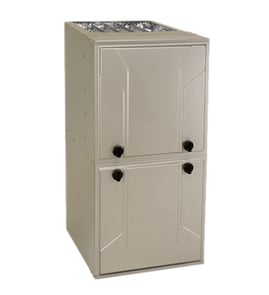




How many sq ft will an 80,000 BTU furnace heat?
An 80,000 BTU gas furnace typically heats about 1,600 to 2,400 sq ft, depending on your climate zone, insulation, air sealing, ceiling height, and duct losses. For your Payne PG8JAA036070AAJA, use the sizing and setup details in the installation guide and confirm the furnace input on the rating plate.
Quick sizing ranges (rule-of-thumb)
These ranges assume average 8 ft ceilings and typical construction; tighter, better-insulated homes heat more area with the same BTUs.
- Warm climates: ~2,000 to 2,600 sq ft
- Mixed climates: ~1,700 to 2,300 sq ft
- Cold climates: ~1,300 to 1,900 sq ft
- High ceilings or leaky homes: subtract ~10% to 25%
- Very efficient homes: add ~10% to 20%
Why the “sq ft” number varies so much
Furnace sizing is really about heat loss, not just floor area. Two homes with the same square footage can need very different BTUs.
Common factors that change the result:
- Insulation levels (attic, walls, rim joists)
- Window type and window area
- Air leakage (drafts, unsealed penetrations)
- Ductwork in attic or crawlspace (heat loss)
- Ceiling height and open floor plans
- Local design temperature (how cold it gets where you live)
A simple comparison you can use
| Home condition | Typical BTU per sq ft | 80,000 BTU “covers” |
|---|---|---|
| Efficient, well-sealed | 25 to 30 | ~2,700 to 3,200 sq ft |
| Average | 30 to 40 | ~2,000 to 2,700 sq ft |
| Drafty or very cold climate | 40 to 55 | ~1,450 to 2,000 sq ft |
Why it matters (comfort, cost, and reliability)
An oversized furnace tends to short-cycle (turn on and off frequently), which can cause uneven temperatures and more wear on ignition and controls. An undersized furnace runs longer and may struggle on the coldest days.
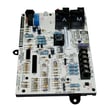
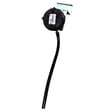
If your furnace is short-cycling, not heating evenly, or failing to ignite consistently, common repair paths include checking the venting and safety circuits and testing components such as the furnace air pressure switch and hose HK06WC069 or the control board HK42FZ034. You can order model-matched replacement parts from the parts list for PG8JAA036070AAJA, or search by model number on Sears PartsDirect.
Last updated: February 2026
What is the average lifespan of a propane furnace?
Most propane (LP) gas furnaces last 15 to 20 years on average. For a Payne gas furnace like PG8JAA036070AAJA, lifespan depends most on installation quality, airflow (filter and duct condition), and correct gas setup, especially if the unit was converted from natural gas.
Typical lifespan and what changes over time
A propane furnace can still run past 20 years, but these age-related issues become more common:
- Heat exchanger wear and reduced efficiency
- More frequent ignition or flame-sensing problems
- Blower and inducer motor wear
- Control board failures and intermittent no-heat calls
- Limit switch trips caused by restricted airflow
What matters specifically for propane setups
This Payne furnace is factory-shipped for natural gas and uses a listed conversion kit to run on propane. Correct setup protects the heat exchanger and keeps combustion stable.
Key propane-related points we follow from the installation guide:
- Use the correct conversion kit and follow the rating plate requirements
- Do not bypass limit switches; repeated limit trips indicate an airflow or venting problem
- Do not bottom out the gas valve regulator adjusting screw (overfire can damage the heat exchanger)
- Do not redrill orifices; improper orifices can cause flame issues and heat exchanger damage
Quick “repair vs replace” guide
Use this as a practical rule of thumb when deciding what to do next.
| Furnace age | What we typically recommend | Why it matters |
|---|---|---|
| 0-10 years | Repair is usually the best value | Parts restore performance at lower cost |
| 10-15 years | Repair if the issue is isolated | Reliability starts to decline |
| 15-20 years | Plan for replacement; repair selectively | Efficiency drops; major repairs become less cost-effective |
| 20+ years | Replace | Higher risk of repeated breakdowns |
Parts that commonly affect reliability (and are available for this model)
If your furnace is short-cycling, failing to ignite, or shutting down on safety, these model-matched parts are often involved:
- Payne furnace air pressure switch and hose HK06WC069
- Control board HK42FZ034
- Furnace inducer vent motor HC21ZE121
- Furnace temperature limit switch HH18HA495
Why it matters
Once a propane furnace reaches the 15 to 20 year range, efficiency and reliability typically drop while repair frequency rises. Keeping airflow correct and propane settings accurate helps the furnace reach its full service life and reduces safety shutdowns.
You can order replacement parts for your Payne PG8JAA036070AAJA from the parts list for this model, or search by model number on Sears PartsDirect.
Last updated: February 2026
What is the most common part to fail on a furnace?
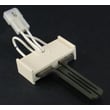
On a gas furnace like the Payne PG8JAA036070AAJA, the most common failure is the hot surface igniter because it heats to very high temperatures on every call for heat and becomes brittle over time. A weak igniter often causes “no heat” even though the blower may run.
Why igniters fail so often
Igniters are a wear item; repeated heating and cooling cycles gradually weaken the element. Igniter life is also shortened when the furnace is installed or operated in conditions that stress components (for example, improper setup or contaminated combustion air). See the model’s installation guide for safety and setup requirements.
Common symptoms of a failing igniter
- Inducer motor runs, but burners never light
- Furnace tries to ignite multiple times, then shuts down
- Short cycling (starts, stops, then retries)
- No flame even though the thermostat is calling for heat
- Visible crack or white spot on the igniter (if you can safely inspect it)
What to check before replacing parts
Turn off electrical power to the furnace before inspecting anything.
- Confirm the thermostat is set to heat and the temperature is raised
- Replace a dirty air filter (restricted airflow can trigger limit switches)
- Check the furnace door is fully closed (door switch engaged)
- Look for loose wiring connections at the igniter and control board
- Make sure intake and venting are not blocked
Parts that commonly get replaced on this model
If the igniter is damaged or tests open with a meter, replacement is typically the fix. Other common “no heat” culprits include the pressure switch, limit switch, and control board.
| Symptom | Common suspect part | Example part on this model |
|---|---|---|
| No ignition, no flame | Furnace burner igniter | Furnace burner igniter (listed in parts) |
| Draft motor runs, then stops | Air pressure switch | Payne furnace air pressure switch and hose HK06WC069 |
| Blower runs, heat shuts off | Temperature limit switch | Furnace temperature limit switch HH18HA495 |
| Random lockouts, no consistent pattern | Control board | Control board HK42FZ034 |
Why it matters
A furnace that cannot ignite safely will shut down to prevent unsafe operation. Fixing the root cause quickly helps restore reliable heat and can prevent repeated cycling that stresses the control board, inducer, and safety switches.
If you’re ordering parts for PG8JAA036070AAJA, use the parts list for this model first; you can also search by model number on Sears PartsDirect.
Last updated: February 2026
What are the common problems with Payne furnaces?
Common problems we see with Payne gas furnaces like model PG8JAA036070AAJA include thermostat or power issues, ignition failures, and safety shutdowns caused by airflow or venting problems. Many “no heat” calls trace back to basic checks first, then to parts such as the igniter, pressure switch, or control board.
Most common symptoms and what they usually point to
- No heat, blower runs: thermostat settings, control board logic, limit switch trip
- No heat, nothing runs: power supply, door switch, blown fuse, control board
- Clicks but no flame: igniter or flame-sensing issue, gas supply, control board
- Starts then shuts off quickly (short cycling): overheating from restricted airflow, limit switch, venting/condensation conditions
- Inducer runs but burners never light: pressure switch or venting restriction
Quick checks we recommend before replacing parts
- Confirm the thermostat is set to HEAT and the setpoint is above room temperature.
- Check the furnace switch and circuit breaker; verify the blower door is fully closed.
- Replace a dirty air filter and make sure supply and return vents are open.
- Look for venting issues; poor venting and condensation conditions can cause repeated shutdowns.
- If you are testing electrical components, follow safe meter practices from how to use a multimeter to test electrical parts video.
Parts that commonly solve “no heat” complaints on this model
If basic checks do not restore heat, these model-matched parts are common culprits:
| Symptom | Likely system | Example part on this model |
|---|---|---|
| No ignition / no flame | Ignition | Furnace burner igniter 41-409 |
| Inducer runs, no ignition | Draft proving | Payne furnace air pressure switch and hose HK06WC069 |
| Random lockouts, no response | Controls | Control board HK42FZ034 |
| Shuts down on high temp | Safety/airflow | Furnace temperature limit switch HH18HA495 |
Why it matters (and what prevents repeat failures)
The installation guidance for this furnace emphasizes conditions that directly affect reliability: avoid oversizing (which can increase short cycling), keep return air warm enough to reduce condensation risk, and ensure gas input and temperature rise are set correctly. Those setup items help prevent premature venting and heat exchanger problems. Use the model-specific procedures and safety notes in the installation guide.
You can order replacement parts for PG8JAA036070AAJA from the parts list for this model, or search by model number on Sears PartsDirect.
Last updated: February 2026
Should a 25 year old furnace be replaced?
Yes. A 25-year-old Payne gas furnace like model PG8JAA036070AAJA is at the end of its typical service life (15 to 25 years), so replacement is the practical choice for reliability, efficiency, and avoiding major repair costs.
How to decide: repair vs. replace
Use these checkpoints to make a clear call:
- Multiple breakdowns or service calls in a season
- Uneven heat, short cycling, or hard starts
- Noisy blower, weak airflow, or overheating shutdowns
- Rising utility bills compared to prior winters
- A major component quote (control board, inducer motor, blower motor, heat exchanger)
What the installation guide says that matters
The PG8JAA036070AAJA installation guide describes a 3-amp automotive-type fuse on the 24-volt control circuit; it also notes the control LED can display a status code when that low-voltage fuse needs replacement. Use the installation guide for the correct diagnostic steps and the exact fuse type for the control.
Common “repair first” parts on this model
If the furnace is otherwise in good shape and you are trying to get another season out of it, these model-matched parts are common suspects:
- Control board HK42FZ034 (handles ignition sequence and diagnostics)
- Furnace inducer vent motor HC21ZE121 (creates draft for safe venting)
- Furnace blower motor HB41TQ113 (moves heated air through the ductwork)
- Payne furnace air pressure switch and hose HK06WC069 (proves inducer draft)
Repair vs. replace: quick comparison
| Situation | Repair makes sense | Replace makes sense |
|---|---|---|
| Cost | Minor part and labor | Major repair cost or repeated repairs |
| Reliability | One clear failure | Multiple symptoms or intermittent faults |
| Efficiency | Bills stable | Bills rising, comfort declining |
Why it matters
At 25 years, unexpected failure during peak heating demand is common, and expensive repairs can stack up quickly. Replacement improves reliability and typically lowers operating cost.
For ordering, use the parts list for PG8JAA036070AAJA on this page, or search by model number on Sears PartsDirect.
Last updated: February 2026