 Installation guide
 Owner’s manual



Is a microwave oven combo a good idea?
Yes, a microwave oven combo can be a great idea if you want built-in convenience and space savings; however, the Bosch HMB50152UC is a built-in microwave (not a combo oven), so the “combo” decision mainly applies if you are pairing it with a separate built-in wall oven in your kitchen plan. See the HMB50152UC use & care manual for intended use, safety, and cooking features.
A microwave + wall oven combination (two appliances working together in one cabinet area) is usually a good fit when you want everyday speed plus true baking capacity.
- You want a clean, built-in look with fewer countertop appliances
- You use the microwave daily for reheating, defrosting, beverages, and quick cooking
- You still want a full-size oven for roasts, large casseroles, and holiday meals
- You prefer ergonomic placement (less bending than an over-the-range microwave)
- You are remodeling and can plan cabinet cutouts and electrical supply up front
Combo layouts are convenient, but they can be less flexible than two separate locations.
- If one unit needs service, your cooking workflow can be disrupted
- Built-in installs require correct cabinet dimensions and a dedicated circuit
- Upfront cost is often higher than a countertop microwave
- Venting and heat management depend on proper installation and clearances
| Option | Best for | Main limitation |
|---|---|---|
| Built-in microwave + wall oven | Speed + full baking capacity | Requires cabinet planning |
| Countertop microwave + wall oven | Lower cost, easy replacement | Uses counter space |
| Microwave-only (built-in) | Reheat/defrost convenience | Not a substitute for a full oven |
Choosing the right layout affects daily convenience, cabinet design, and long-term serviceability. For Bosch built-in units, following the installation requirements helps prevent fitment issues and electrical problems.
Last updated: January 2026
What are the disadvantages of a microwave oven combo?
A microwave oven combo can save space, but it usually costs more and is more complex to use and repair. Your Bosch HMB50152UC is a built-in microwave (not a combo), so the main tradeoffs are installation fit and service access; see the HMB50152UC use and care manual.
- Higher upfront cost than a standard microwave.
- More settings and cooking modes to learn.
- More cleanup because convection or browning modes can bake on splatter.
- If one major function fails, you can lose multiple cooking modes at once.
- Repairs can be more involved due to added components (heaters, fans, sensors).
Because HMB50152UC is a dedicated built-in microwave, combo-only drawbacks (like convection baking performance) do not apply. The most relevant disadvantages are:
- Built-in units can take more time to remove for service than countertop models.
- Cabinet cutout and electrical requirements must be met for proper installation.
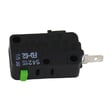
- If the microwave will not run, common service items include door interlock circuits and fuses (for example, the microwave door interlock switch 00614767 or a microwave fuse 00631510).
| Setup | Best for | Main drawback |
|---|---|---|
| Combo microwave oven (single appliance) | Saving space with multi-mode cooking | Higher cost and more complex repairs |
| Built-in microwave like Bosch HMB50152UC | Built-in look, dedicated microwave use | More effort to access for service |
| Countertop microwave | Lowest cost, easiest replacement | Uses counter space |
Choosing a combo versus a dedicated built-in microwave affects long-term ownership. Combos add flexibility but increase complexity; a dedicated unit like Bosch HMB50152UC keeps operation simpler and separates microwave issues from your main oven.
Last updated: January 2026
What are the disadvantages of an inbuilt microwave?
Built-in microwaves like the Bosch HMB50152UC trade flexibility for a seamless look. The main disadvantages are higher install and replacement costs, tighter fit and ventilation requirements, and more effort to service because the unit is mounted in cabinetry (not a simple countertop swap).
- Higher total cost: You typically pay for the microwave plus cabinet work and installation labor.
- Harder replacement later: You often need a new unit that matches the existing cutout dimensions and trim style.
- Ventilation and heat management matter: Built-in units rely on cabinet clearances and vent openings; blocking vents can lead to overheating.
- Less flexibility: You cannot easily move it to a different spot or height once the cabinet is built.
- Service access can be tougher: Removing a built-in unit may require pulling it from the cabinet opening.
- Cabinet requirements are specific: End-of-run clearances and support requirements can limit design options.
For the Bosch HMB50152UC, Bosch calls out installation and electrical requirements that can add complexity versus a countertop model. We recommend following the cabinet cutout and outlet placement guidance in the HMB50152UC installation manual.
| Feature | Built-in microwave (HMB50152UC style) | Countertop microwave |
|---|---|---|
| Install effort | Higher (cabinet cutout, mounting) | Low (plug in) |
| Replacement effort | Higher (fit must match) | Low (swap units) |
| Venting/clearances | Critical | Usually less critical |
| Service access | Often requires removal from cabinet | Usually easy access |
- Confirm cabinet cutout dimensions before buying or replacing.
- Keep vents clear; do not store items that block airflow around the unit.
- Use the correct dedicated outlet and avoid extension cords.
- Save your model and serial information for service and parts matching.
Most “built-in microwave regrets” come from fit and access: if the cutout is non-standard or ventilation is restricted, replacement and reliability can become more expensive than expected. Planning around the installation specs helps prevent that.
Last updated: January 2026


