



What is the average life of a Countertop Microwave?
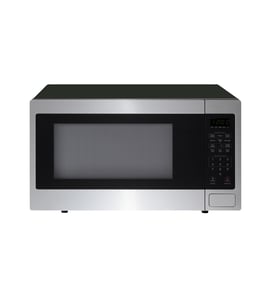
Most countertop microwaves, including the GE JES1657DM2WW, typically last 7 to 10 years with normal household use. Heavy daily use, poor ventilation, and repeated overheating can shorten lifespan; consistent cleaning and avoiding misuse helps it reach the high end of that range.
Typical lifespan and what affects it
A microwave’s life is mostly driven by heat stress and wear on moving parts (turntable system) and door components.
- Usage frequency: multiple long cook cycles per day shortens life
- Ventilation: blocked vents trap heat and stress internal components
- Cleanliness: grease and food buildup can cause odors, smoke, and arcing
- Power quality: frequent breaker trips or power surges can damage electronics
- Turntable wear: a worn coupler or ring can cause noise and uneven rotation
Signs it’s time to repair vs. replace
These symptoms help you decide whether a simple part replacement is worth trying.
| Symptom | Common cause | What we recommend |
|---|---|---|
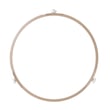
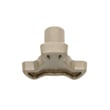
| Turntable not rotating | Worn drive parts | Check the coupler WB06X10861 and rotating ring WB06X10862 |
| Loud grinding while rotating | Ring or tray not seated, debris | Clean and reseat the microwave glass turntable tray WB39X10032 |
| Runs but does not heat | High-voltage system issue | Use our troubleshooting steps in why is my microwave not heating |
| Sparking/arcing inside cavity | Food splatter, damaged waveguide cover | Stop use and inspect; follow never do these things with a microwave |
Quick care tips to reach 10 years
- Keep intake and exhaust vents clear on all sides
- Wipe the cavity after spills to prevent baked-on residue
- Do not run the microwave empty
- Use microwave-safe containers only (no metal trim)
- Make sure the turntable sits flat and rotates smoothly
Why it matters
A countertop microwave that overheats or arcs can fail suddenly and can also cook unevenly. Keeping the cavity clean and the turntable system working smoothly helps protect key components and improves day-to-day performance.
Last updated: February 2026
What are common problems with GE JES1657DM2WW microwaves?
Common problems we see with the GE JES1657DM2WW countertop microwave include no heat, no power, turntable not rotating, unusual noise, sparking/arcing, and keypad or display issues. Many symptoms trace back to power supply problems, door-interlock switching, or turntable drive parts.
Quick checks you can do first
- Confirm the outlet works by testing a small appliance or lamp.
- Unplug the microwave for 2 minutes, then plug it back in to reset the control.
- Make sure the door closes firmly; a misaligned latch can prevent operation.
- Remove the glass tray and ring; clean crumbs and spills from the turntable area.
- Try a different microwave-safe container; some dishes can cause arcing.
Symptom-to-cause guide (most common)
| Symptom | Most likely area | What to look for |
|---|---|---|
| Runs but does not heat | High-voltage system | Hums normally but food stays cold (service-level repair) |
| Dead, no display | Power supply or fuse | No lights, no fan, no response |
| Turntable not turning | Turntable drive parts | Tray slips, jerks, or does not move |
| Loud grinding during rotation | Turntable support | Debris under ring, worn rollers |
| Sparking/arcing | Cavity or waveguide area | Burn marks, food splatter, damaged cover |
| Buttons not responding | Keypad/control | Some keys work, others do not |
Turntable problems on this model (parts we commonly replace)
If your JES1657DM2WW heats but the tray does not rotate, start with the mechanical turntable parts that wear or get damaged:
- Coupler WB06X10861 (connects the motor shaft to the tray drive)
- Rotating ring WB06X10862 (supports the tray and helps it roll smoothly)
- Microwave glass turntable tray WB39X10032 (cracked, chipped, or not seated correctly)
Why it matters
A microwave that will not heat or that sparks can indicate an internal electrical issue; a microwave that is noisy or not rotating often points to a simpler turntable support problem. Sorting the symptom first helps you choose the right repair path and parts.
When a DIY article helps
For deeper troubleshooting on no-heat symptoms, we use this guide as a step-by-step checklist: why is my microwave not heating.
Last updated: February 2026
What is the most reliable Countertop Microwave?
The most reliable countertop microwave is the one that matches your cooking habits and holds up to daily use: a simple, mid-wattage unit with a sturdy door, consistent turntable operation, and easy-to-clean cavity. If you already own a GE JES1657DM2WW, keeping wear items like the turntable drive parts in good shape is one of the easiest ways to maintain dependable performance.
What “reliable” means for a countertop microwave
Reliability usually comes down to consistent heating, fewer nuisance failures, and parts that do not wear out quickly.
- Heats evenly without frequent re-cooking
- Door closes and latches smoothly every time
- Turntable rotates consistently (no skipping or grinding)
- Keypad responds normally (no intermittent buttons)
- Interior stays clean (less arcing and odor buildup)
Practical buying checklist (what we look for)
When comparing countertop microwaves, these features tend to correlate with fewer day-to-day problems.
| What to compare | What to choose | Why it helps reliability |
|---|---|---|
| Controls | Simple presets + time/weight cook | Fewer complex functions to fail |
| Turntable system | Stable ring + correct tray fit | Reduces wobble and motor strain |
| Power level use | Multiple power levels you actually use | Prevents overheating and overcooking |
| Fit/venting | Adequate clearance around the cabinet | Helps manage heat buildup |
If your current microwave seems “unreliable,” check these parts first
On the GE JES1657DM2WW, turntable issues are a common reliability complaint because they affect cooking consistency.
- Inspect the coupler WB06X10861 for cracks, rounding, or a loose fit
- Make sure the rotating ring WB06X10862 is not warped and rolls smoothly
- Confirm the microwave glass turntable tray WB39X10032 sits flat and is not chipped
- Clean food debris under the tray and ring (grit causes binding and noise)
- Avoid running the microwave empty (it stresses internal components)
Why it matters
A microwave that does not rotate the tray consistently can cook unevenly, leading to repeat cook cycles and extra heat stress. Keeping the turntable tray, ring, and coupler in good condition helps your GE JES1657DM2WW cook more evenly and feel more dependable day to day.
Last updated: February 2026