Owner’s manual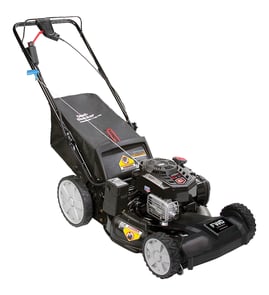




Are gas lawn mowers being phased out?
Gas walk-behind mowers like the Senix LSPGBS-M1 are still widely sold and supported, but some states and cities are restricting certain gasoline-powered outdoor equipment over time. The practical “phase-out” is regional; your best next step is to follow local rules and maintain your mower for long service life using the LSPGBS-M1 manual.
Most policies focus on new sales or commercial use of gasoline-powered outdoor power equipment (OPE), not forcing immediate replacement of equipment you already own.
Common outcomes include:
- Limits on new gas equipment sales starting on a specific date
- Rules that apply only to government fleets or commercial landscapers
- Incentives to switch to battery-powered equipment
- Continued allowance for existing gas mowers to be used and repaired
- Different timelines by state, county, or city
Keeping a gas mower reliable reduces downtime and makes it easier to keep using it where allowed.
Recommended actions:
- Follow the maintenance schedule in the LSPGBS-M1 manual (oil, air filter, blade care)
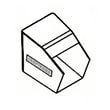
- Keep the discharge chute intact; replace a damaged lawn mower deflector shield 202030001118
- Inspect the blade mounting hardware and adapter if you feel vibration or see uneven cutting
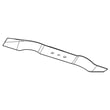
- Replace a bent or worn blade with the correct 21-inch 3-in-1 blade for this model
- Store fuel properly during off-season to prevent hard starting
| Feature | Gas mower (like LSPGBS-M1) | Battery mower |
|---|---|---|
| Runtime | Refuel and keep mowing | Limited by battery capacity |
| Maintenance | More routine service (fuel, oil, spark) | Less routine service |
| Local restrictions | More likely to be regulated | Rarely restricted |
| Repairs | Common, parts-supported | Often battery/electronics dependent |
Restrictions can affect what you can buy and use in your area, but parts support and good maintenance keep your Senix mower cutting safely and consistently for years.
Last updated: January 2026
How do I know if my lawn mower is self-propelled?
A self-propelled mower has a drive system that turns the wheels for you when you engage the drive control; a standard push mower only moves when you push it. For the Senix LSPGBS-M1, the quickest check is whether the wheels pull the mower forward when the drive is engaged.
- Look for a separate drive control (bail bar, lever, or handle control) in addition to the blade control.
- With the engine running, engage the drive and lightly hold the handle; the mower should try to move forward.
- Release the drive control; the mower should stop pulling, but the engine can keep running.
- Tip the mower back slightly (front wheels off the ground) and engage drive; the drive wheels should spin.
- If there is no drive control and the wheels never pull, it is a push mower.
| What you do | What a self-propelled mower does | What a push mower does |
|---|---|---|
| Engage drive control | Wheels pull the mower forward | No change |
| Change ground speed (if equipped) | Mower speed changes | Not applicable |
| Release drive control | Pulling stops immediately | Not applicable |
A self-propelled mower can act like a push mower when the drive system is worn, loose, or damaged.
- Check for grass buildup around the wheels and under the deck.
- Inspect wheels for stripped hubs or damage; a worn wheel can slip under load.
- Confirm the drive control cable moves freely and returns fully.
- Verify the blade area is clear (always disconnect the spark plug wire first).
If you need model-specific control locations and operating steps, use the LSPGBS-M1 owner’s manual.
For drive symptoms that match “engine runs but mower will not move,” use lawn mower wont move troubleshooting video motion drive failure.
Knowing whether your Senix LSPGBS-M1 is self-propelled helps you troubleshoot correctly; drive issues point to wheels, cables, and the drive system, while push mowers typically only need blade, deck, and engine maintenance.
Last updated: January 2026
How many years should a lawn mower last?
A gas walk-behind lawn mower like the Senix LSPGBS-M1 typically lasts 8 to 12 years with normal homeowner use and routine maintenance. Heavy use, poor fuel storage, and mowing wet or overgrown grass can shorten life; consistent tune-ups and blade care extend it.
Most walk-behind mowers fall into these ranges:
| Use pattern | Typical lifespan | What usually ends it |
|---|---|---|
| Light (small yard, weekly) | 10 to 12 years | Corrosion, neglected fuel system |
| Average (typical homeowner) | 8 to 10 years | Wear in drive system, deck rust |
| Heavy (large yard, long season) | 5 to 8 years | Engine wear, repeated impact damage |
We recommend focusing on the items that most often cause early failure:
- Use fresh gasoline and stabilize fuel before storage
- Change engine oil on schedule and keep the air filter clean
- Sharpen or replace the blade when cuts look ragged
- Clean grass buildup from the underside of the deck after mowing
- Check fasteners and wheel hardware for looseness and wear
For model-specific maintenance intervals and safety steps, follow the LSPGBS-M1 owner’s manual.
These parts do not mean the mower is “done”; they are normal wear items that restore performance:
- Blade and blade mounting hardware
- Wheels and height adjusters
- Control cables and handles
- Discharge components and bagging parts
If your mower is leaving clumps or blowing grass sideways, a damaged discharge shield is a common cause; the lawn mower deflector shield 202030001118 is one example of a replaceable deck component for this model.
A mower that is near end-of-life usually costs more in downtime and repeated small repairs than it does in parts that prevent wear (clean fuel practices, a sharp blade, and a clean deck). Extending mower life also improves cut quality and reduces strain on the engine.
Last updated: January 2026
Who makes SENIX engines?
Senix walk-behind mowers such as model LSPGBS-M1 are built with Briggs & Stratton engines (often referred to as the Senix “B&S series” in the documentation). For the exact engine family and service details, use the mower’s LSPGBS-M1 manual and the engine ID label on the shroud.
- Check the engine shroud for the Briggs & Stratton badge.
- Locate the engine ID label or stamped numbers (model, type, and code).
- Write down all numbers exactly as shown; they are used to match the correct engine manual and parts.
- Compare the engine ID information to the documentation referenced in the mower manual.
- Use the engine ID when ordering tune-up items (spark plug, air filter, carburetor parts).
The LSPGBS-M1 documentation separates mower coverage from engine-related service by directing engine issues to the engine manual and an authorized service dealer.
| What you’re working on | Who makes/supports it | Examples |
|---|---|---|
| Engine system | Briggs & Stratton | starting, fuel delivery, ignition, compression |
| Mower chassis and controls | Senix | deck, wheels, handle controls, bagging/mulching parts |
Briggs & Stratton engine identification is the fastest way to get the right maintenance specs (oil type, spark plug gap) and the correct engine parts, while mower chassis parts are selected by the Senix model number.
Last updated: January 2026