Owner’s manual



Are gas lawn mowers being phased out?
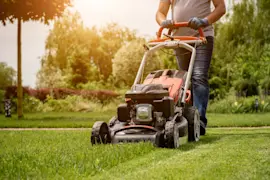
Gas walk-behind mowers like the Senix LSPG-L3 are not being phased out everywhere at once; the shift is gradual and depends on where you live and what retailers choose to stock. For many homeowners, electric models are becoming more common, but gas mowers remain widely used and supported for service and maintenance.
What “phased out” usually means
Most changes happen in two ways: new-sales restrictions in certain areas and fewer gas models on store shelves. Even where new sales tighten, existing gas mowers can still be maintained with routine service items.
Common signs of a gradual transition:
- More battery mower options in residential aisles
- Local rules that limit new gas equipment sales
- Continued availability of tune-up and wear parts (spark plug, air filter, blade hardware)
- Ongoing need for gas power for heavy grass, large yards, and long run times
What to do if you already own a gas mower
Keeping a gas mower reliable is mostly about safe operation and basic maintenance. Our Senix LSPG-L3 guidance in the LSPG-L3 owner’s manual includes key safety steps like stopping the engine before service and disconnecting the spark plug wire before maintenance.
Recommended upkeep actions:
- Stop the engine and wait for the blade to fully stop before working near the deck
- Disconnect and ground the spark plug wire before maintenance
- Keep fasteners tight and check them periodically
- Store fuel properly; for storage over 30 days, run the engine until it stops from lack of fuel or use stabilizer
- Avoid washing the mower with a pressure washer or garden hose
Quick comparison: gas vs electric (typical homeowner use)
| Feature | Gas walk-behind mower | Battery walk-behind mower |
|---|---|---|
| Runtime | Longer per fill | Limited by battery capacity |
| Maintenance | Fuel, oil, spark plug | Mostly blade and cleaning |
| Noise and fumes | Higher | Lower |
| Best fit | Thick grass, larger yards | Smaller to mid-size yards |
Why it matters
If your area is moving toward electric, planning ahead helps: you can keep your current gas mower running safely, stock common wear items, and avoid downtime during peak mowing season.
Last updated: January 2026
Should I use 87 or 89 gas for lawn mower?
For the Senix LSPG-L3 gas walk-behind mower, we use fresh unleaded regular (87 octane) for normal operation; 89 octane does not improve power or reliability in typical small-engine mower use. For the exact fuel requirements for your specific engine, follow the LSPG-L3 owner's manual.
What to use (and what to avoid)
- Use fresh, clean unleaded gasoline (87 octane is the standard choice).
- Avoid old gas; if it has been sitting for weeks, replace it with fresh fuel.
- Avoid mixing random additives unless the engine instructions call for them.
- For storage, either run the engine until it stops from lack of fuel or treat a full tank with fuel stabilizer.
- Store fuel safely; never run the engine indoors or in enclosed areas.
Quick comparison: 87 vs 89 octane
| Fuel choice | Best for | What you should expect |
|---|---|---|
| 87 octane (regular) | Everyday mowing | Normal starting, normal performance |
| 89 octane (mid-grade) | Not required for most mowers | Typically no noticeable benefit |
Why it matters
Using the right fuel helps prevent hard starting and fuel-system gumming, especially after the mower sits. The LSPG-L3 maintenance guidance also emphasizes proper storage steps to protect the fuel system and keep the mower ready for the next season.
Helpful next steps
- If starting is difficult, use the correct starting procedure (primer use and blade control) in the LSPG-L3 owner's manual.
- If fuel sits more than 30 days, plan storage correctly using how to winterize a lawn mower.
- If you suspect stale fuel, drain and refill with fresh 87 octane, then try starting again.
Last updated: January 2026
What is the average lifespan of a gas lawn mower?
For the Senix LSPG-L3 gas walk-behind mower, the manufacturer defines an Average Useful Life of 7 years or 140 hours of operation. Many homeowners get longer service by staying on top of oil changes, blade care, and off-season storage.
What the LSPG-L3 manual says
The LSPG-L3 manual ties “Average Useful Life” to both time and run hours, and it also calls for annual inspection at the end of that period to confirm mechanical and safety systems are working properly.
- Plan for a yearly safety and wear inspection once you reach 7 years or about 140 hours
- Pay close attention to blade control operation and safety labels
- Check fuel line, tank, cap, and fittings for cracks or leaks
- Keep the engine at governed speed (do not tamper with the governor)
For the exact wording and maintenance schedule, use the LSPG-L3 owner's manual.
Typical lifespan ranges (helpful comparison)
Even with the LSPG-L3 Average Useful Life benchmark, real-world longevity depends on mowing conditions and maintenance.
| Use level | Typical years | Typical hours |
|---|---|---|
| Light (small yard, short season) | 8 to 12 | 50 to 120 |
| Average residential | 7 to 10 | 100 to 200 |
| Heavy (large yard, long season) | 5 to 8 | 150 to 300 |
Maintenance habits that extend mower life
These are the biggest drivers of long service life on a gas walk-behind mower:
- Change engine oil on schedule and while the engine is warm (per manual guidance)
- Keep the blade sharp and properly torqued after service
- Clean grass buildup from the deck (avoid pressure washing)
- Use fresh fuel and store properly for 30+ days of downtime
- Replace loose or corroded fasteners (for example, a flange nut 8NE-08D01 when the original is damaged)
Why it matters
Lifespan is about safety and reliability as much as starting and cutting. As hours add up, worn blades, loose hardware, and fuel-system issues increase vibration and reduce cut quality.
Last updated: January 2026