Error Codes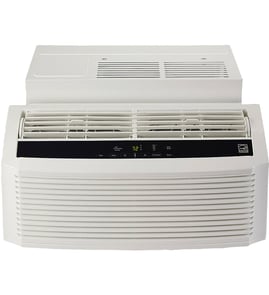





How long do GE air conditioners last?
Most GE room air conditioners like model AHLC05CAQ1 last 10 to 12 years with normal use; units that get regular cleaning and aren’t run nonstop in extreme heat often reach the upper end of that range.
Typical lifespan (what to expect)
- 10 to 12 years is the typical life expectancy for a window or room air conditioner.
- Heavy seasonal use, coastal air (salt), and dirty airflow shorten life.
- Consistent maintenance and correct installation help the compressor and fan motors last longer.
| What you do | What it helps prevent | How often |
|---|---|---|
| Clean the air filter | Low airflow, icing, poor cooling | Every 2 to 4 weeks in season |
| Keep coils and grille clear | Overheating, high amp draw | Monthly check |
| Verify the unit tilts slightly outdoors | Water leaks, musty odor | At install and each season |
| Use a dedicated outlet | Nuisance trips, control damage | Always |
Signs it’s nearing end of life
- Runs constantly but the room stays warm
- Compressor hums or struggles to start
- Water leaks indoors even after cleaning and leveling
- Loud vibration or fan noise that returns after cleaning
- Repeated electrical issues (tripping, dead display)
Maintenance that extends life
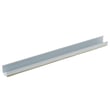
A clogged filter is one of the fastest ways to reduce cooling and strain the system. For AHLC05CAQ1, keeping the filter WJ85X29573 clean and properly seated helps maintain airflow across the evaporator coil.
If you’re troubleshooting performance issues, our GE error codes guide can help you match a displayed code to the most likely cause.
Why it matters
A room air conditioner that’s past its typical lifespan often costs more to run and cools less effectively. Basic upkeep (especially airflow and drainage) protects the sealed system and helps you avoid premature compressor failure.
Last updated: January 2026
Is the GE 5000 BTU window air conditioner any good?
Yes. A GE 5,000 BTU window air conditioner like model AHLC05CAQ1 is a solid choice for a small room when it’s installed correctly and kept clean; it typically cools well for its size, with the main tradeoffs being more noticeable operating noise and less precise temperature control than premium units.
What “good” looks like for a 5,000 BTU unit
A 5,000 BTU room air conditioner is designed for small spaces. You’ll get the best results when the room is reasonably sealed and the unit can breathe freely.
- Best for bedrooms, offices, and small living areas
- Works best with doors closed and blinds/curtains used during peak sun
- Cooling performance drops if the filter is clogged or coils are dirty
- Noise is more noticeable in quiet rooms (especially at night)
- Comfort improves when airflow is aimed across the room, not straight down
Quick checklist to keep it cooling well
Most “not cooling” complaints on small window units come down to airflow or installation.
- Clean or replace the air filter regularly (start with the filter WJ85X29573)
- Make sure the front intake is not blocked by curtains or furniture
- Confirm the unit tilts slightly outward so it can drain properly
- Keep the outdoor side clear of leaves and lint buildup
- Use a dedicated outlet; avoid extension cords
Common pros and cons (at a glance)
| What you want | What you’ll usually get from 5,000 BTU | What to do about it |
|---|---|---|
| Strong cooling in a small room | Good, when airflow is clean | Maintain filter and coils |
| Quiet operation | Moderate to loud | Use low fan at night |
| Precise temperature | Basic control feel | Adjust setpoint and fan speed |
| Low operating cost | Generally efficient for size | Seal drafts, shade windows |
Why it matters
A 5,000 BTU window air conditioner can feel “great” or “terrible” depending on room size, sun exposure, and airflow. Keeping the filter clean and the unit properly installed is the fastest way to protect cooling performance and reduce icing, odors, and noise.
For troubleshooting help if you see a code or flashing lights, use our GE error codes reference.
Last updated: January 2026
What is the 3 minute rule for air conditioners?
The 3-minute rule means waiting at least 3 minutes after turning your GE room air conditioner model AHLC05CAQ1 off before turning it back on. That short pause lets refrigerant pressures equalize, which helps protect the compressor from hard restarts and nuisance shutdowns.
Why the 3-minute wait matters
When an air conditioner stops, refrigerant pressures can stay uneven for a short time. Restarting immediately can force the compressor to start under load.
- Reduces stress on the compressor at startup
- Helps prevent short-cycling (rapid on and off)
- Can reduce tripped breakers or overload protection events
- Supports steadier cooling and longer component life
When you should follow it
Use the 3-minute rule any time power is interrupted or the unit is shut off.
- After switching the unit off and back on
- After a power flicker or outage
- After unplugging and plugging the unit back in
- After changing settings that stop the compressor (mode changes, timer events)
What you may notice on modern GE window ACs
Many room air conditioners include a built-in compressor restart delay. Even if you press ON right away, the control may wait before energizing the compressor.
| Situation | What to do | What’s normal |
|---|---|---|
| You turned the unit off by mistake | Wait 3 minutes, then restart | Fan may run while compressor waits |
| Power outage or unplugged | Restore power, then wait 3 minutes | Compressor starts after a short delay |
| Unit runs but does not cool right away | Give it a few minutes | Cooling ramps up after compressor starts |
Related maintenance that helps prevent short-cycling
A restricted airflow condition can make the system run hotter and cycle more often. Keeping the air filter clean is one of the simplest fixes.
- Clean or replace the filter WJ85X29573
- Keep the front grille clear of curtains and furniture
- Make sure the unit is level and securely installed
- Use a reasonable temperature setpoint (avoid constant rapid changes)
Helpful troubleshooting resource
If your display shows an error or the unit behaves oddly after restarts, use our GE error codes reference to match the code to the most likely cause.
Last updated: January 2026