Installation guide
 Owner’s manual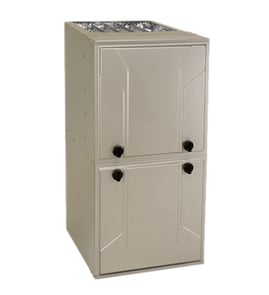





What is the most common part to fail on a furnace?
The most common “failure” we see on an Icp N8MPN100F20A1 furnace is not a single part; it is restricted airflow from a dirty filter, which overheats the furnace and trips safety controls. After airflow issues, ignition components and safety switches are the next most frequent causes.
Most common causes (in order)
- Clogged air filter: causes overheating and a safety shutdown; the manual notes dirty filters are the most common cause of inadequate heating performance.
- Flame sensing or ignition problems: dirty sensor, worn igniter, or poor grounding can prevent reliable burner operation.
- High-limit or rollout switch opening: often triggered by overheating, blocked vents, or blower problems.
- Door switch not made: if the blower door is not seated, the furnace will not run.
- Draft/pressure switch tubing issues: cracked or loose tubes can stop the heating cycle.
Parts on this model that commonly get involved
If your N8MPN100F20A1 is shutting down, short-cycling, or not lighting, these model-listed parts are often part of the diagnosis:
| Symptom you notice | Commonly involved part | What it usually indicates |
|---|---|---|
| Runs briefly, then shuts off | Furnace temperature limit switch 1013102 or furnace temperature limit switch 1008417 | Overheating from airflow restriction or blower/duct issues |
| No ignition or unreliable flame | Furnace pilot igniter and sensor 1009524 or igniter 1149856 | Ignition or flame proving problem |
| Furnace dead when door is off or loose | Furnace door switch 1171981 | Safety interlock open |
| No heat, gas not opening (after proper call for heat) | Gas valve SV9641M4510 | Gas control issue (requires careful diagnosis) |
Quick checks we recommend before replacing parts
- Turn off electrical power before removing panels.
- Replace or clean the filter; check it monthly.
- Make sure the blower door is fully seated (door switch engaged).
- Confirm return air duct connection is sealed and physically sound.
- If overheating occurs, shut off the gas valve before shutting off electrical power.
Why it matters
A furnace that “fails” due to a dirty filter is protecting itself. Restoring airflow often prevents repeated limit-switch trips, reduces stress on the blower motor, and helps avoid nuisance shutdowns.
For model-specific maintenance and safety steps, follow the owner's manual.
Last updated: February 2026
What is the most expensive part to fix on a furnace?
On an Icp N8MPN100F20A1 80+ single-stage gas furnace, the most expensive repair is typically the heat exchanger because it is a major sealed combustion component and labor is intensive. Other high-cost repairs often involve the blower motor or inducer assembly, and sometimes the gas valve.
Typical “most expensive” furnace repairs (what usually drives the bill)
- Heat exchanger: commonly the highest total cost due to labor and safety-critical setup
- Blower motor or blower assembly: higher part cost plus time to access and set up
- Inducer (draft) motor assembly: can be pricey and is essential for safe venting
- Control board: moderate-to-high part cost; diagnosis time can add up
- Gas valve: part cost can be significant; setup and verification are critical
Model-specific notes for N8MPN100F20A1
Your manual includes heat exchanger warranty terms for the N8MPN series; in many cases, the heat exchanger has extended parts coverage (often up to 20 years from the original installation date, depending on ownership and documentation). Check the exact terms and what is required for coverage in the owner's manual.
Quick cost comparison (parts vs. total repair)
Total repair cost depends heavily on labor, access, and diagnostic time. This table shows what usually makes each repair “expensive.”
| Repair area | Why it gets expensive | What you may notice |
|---|---|---|
| Heat exchanger | Major disassembly, safety checks | Odors, soot, rollout, repeated shutdowns |
| Blower motor/assembly | High part cost, setup time | Weak airflow, overheating trips, noise |
| Inducer assembly | Venting-related component, setup | Pressure switch faults, no ignition |
| Control board | Diagnosis plus part cost | Intermittent operation, no response |
| Gas valve | Part cost plus verification | No flame, short cycling, ignition attempts |
Why it matters
The most expensive furnace repairs are usually tied to combustion safety and airflow. Your manual emphasizes following all cautions and warnings and using qualified service for installation, adjustment, and maintenance; that is especially important for heat exchanger and gas valve related work.
If you are pricing a repair on this model
- Start with the symptom (no heat, short cycling, weak airflow, ignition failure)
- Check and replace clogged filters first; dirty filters are a common cause of poor heating performance
- If you suspect a gas valve issue, the model-specific replacement part on this page is the gas valve SV9641M4510
- For airflow or overheating issues, common related parts include limit switches and blower components
Last updated: February 2026
Can hear your furnace click on but it does not fire up?
If your Icp N8MPN100F20A1 furnace clicks but does not fire, the control is usually trying to start ignition but is not proving flame. Common causes include a gas supply shutoff issue, an ignition/flame-sensing problem, or a safety switch opening due to airflow or venting problems.
What to check first (safe homeowner checks)
- Confirm the thermostat is set to HEAT and the setpoint is above room temperature.
- Make sure electrical power to the furnace is ON.
- Verify the manual equipment gas shutoff valve is ON (handle parallel to the gas line).
- Check the furnace doors are fully installed; a loose door can open the door switch and prevent operation.
- Replace a dirty air filter and make sure supply registers are open.
- Look for obvious venting issues; the manual recommends confirming flue gas carrying areas (chimney/vent connector) are clear and the vent connector is sound and sloped upward. See the owner's manual.
If you smell gas or the furnace keeps retrying
Your furnace’s ignition system is designed to retry when the flame sensor detects no flame while there is a call for heat. If you smell gas:
- Set the gas control valve switch to OFF.
- Wait 5 minutes to clear out any gas.
- Do not continue restarting attempts if gas odor persists.
These steps and the 5-minute wait are outlined in the lighting instructions in the owner's manual.
Parts that commonly relate to “clicks but won’t light” on this model
A clicking sound often lines up with relays and ignition attempts. Depending on what you observe (no glow, no flame, lights then shuts off), these model-listed parts are common suspects:
| Symptom you notice | Common direction | Example part for N8MPN100F20A1 |
|---|---|---|
| No ignition, no flame | Ignition component not lighting | Igniter 1149856 |
| Ignition happens but flame will not stay | Flame sensing/ignition assembly issue | Furnace pilot igniter and sensor 1009524 |
| Ignition tries but burners never get gas | Gas valve or gas supply issue | Gas valve SV9641M4510 |
| Furnace won’t run with door on or seems dead | Safety interlock open | Furnace door switch 1171981 |
Why it matters
Repeated ignition retries can leave you without heat and can point to a condition the furnace is intentionally preventing for safety (no proven flame, overheating, or venting/airflow problems). Addressing the root cause protects the igniter, gas valve, and other controls from unnecessary cycling.
Last updated: February 2026
Is it worth fixing a 20 year old furnace?
For an Icp N8MPN100F20A1 (an 80+ single-stage gas furnace), a 20-year-old unit is usually only worth fixing when the problem is a small, one-time repair; if you are facing repeated breakdowns or a major component failure, replacement is the better long-term value for reliability and operating cost.
Quick way to decide
Use these rules to make a clear call:
- Fix it if the issue is simple (dirty flame sensor, loose wiring, weak capacitor) and the furnace has been reliable.
- Replace it if you have frequent no-heat calls, loud blower/inducer noise, or multiple parts failing in the same season.
- Replace it if the repair involves a major, high-cost component (gas valve, inducer, blower motor) and you are already near the 20-year mark.
- Fix it if you need time to plan a replacement and the repair restores safe, stable operation.
- Stop and evaluate immediately if you suspect a heat exchanger problem; that is a replacement-level decision.
What your manual says about the 20-year mark
Your model series (N8MPN) is listed under a 20-year heat exchanger replacement warranty (from the original installation date) for heat exchanger defects. That matters because a furnace that is about 20 years old may be at, or past, that coverage window depending on the exact install date and ownership terms. Check the warranty section in the owner's manual.
Common repairs on this model that can change the math
These are typical “repair vs replace” tipping points on a single-stage gas furnace:
| Symptom | Likely area | Example part on this model page | Typical decision impact |
|---|---|---|---|
| No ignition or short cycling | Ignition/sensing | Furnace pilot igniter and sensor 1009524 | Often worth repairing |
| Furnace runs then shuts off on high heat | Airflow/overheat protection | Furnace temperature limit switch 1013102 | Often worth repairing (also fix airflow) |
| No heat and gas won’t open | Gas control | Gas valve SV9641M4510 | Often pushes toward replacement |
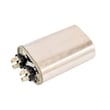
| Loud humming, weak start | Motor capacitor | Capacitor 12908 | Often worth repairing |
Why it matters
At 20 years, reliability becomes the biggest cost driver. A single emergency breakdown during peak winter can cost more (and be more disruptive) than a planned replacement, even if one repair looks reasonable today.
Last updated: February 2026
Is it worth replacing the blower motor in a furnace?
Yes, it’s usually worth replacing the blower motor in your Icp N8MPN100F20A1 furnace when the rest of the furnace is in good condition, because the circulating air blower is a core wear part and a failed motor can stop heat delivery even if the burners and safety controls are fine. Use the N8MPN100F20A1 owner's manual to confirm access steps and safety notes before any service.
When replacing the blower motor makes sense
We recommend blower motor replacement when you see performance problems tied to airflow, but the furnace is otherwise operating normally.
- The furnace heats but airflow is weak or inconsistent
- The blower hums, starts slowly, or shuts off unexpectedly
- You’ve confirmed the filter is clean and installed in the correct airflow direction (toward the blower)
- The blower wheel and motor are dirty and cleaning does not restore normal operation
- The furnace is not repeatedly tripping high-limit switches due to duct or filter restrictions
When replacement may not be the best next step
If the furnace is having broader reliability or safety-control issues, it’s smarter to diagnose first so you do not replace a motor that is not the root cause.
- The blower door is not fully seated (the door interlock switch cuts power when the door is off)
- The furnace is overheating from restricted return air, undersized filter area, or blocked supply ducts
- The inducer (combustion blower) or ignition system is failing and the furnace is not completing a heat cycle
Quick cost and decision guide
Typical repair decisions come down to total repair cost versus overall furnace condition.
| Item | What it affects | Typical “worth it” signal |
|---|---|---|
| Blower motor | Airflow and heat delivery | Furnace is otherwise dependable and ducts/filters are correct |
| Blower wheel | Airflow and noise | Wheel is damaged, loose, or badly out of balance |
| Capacitor (PSC motors) | Starting torque | Motor struggles to start but windings test good |
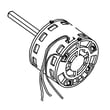
Model-matched parts we commonly see for this furnace include the furnace blower fan motor 1009052, and if your motor uses a run capacitor, the capacitor 12908.
Why it matters
A weak or failing blower motor can reduce comfort, increase temperature rise, and contribute to nuisance limit trips. The manual also notes the blower motor is prelubricated and does not require oiling; keeping filters and airflow correct is the maintenance that protects the motor long-term.
Last updated: February 2026