Error Codes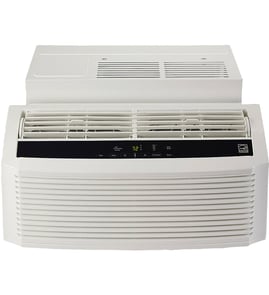



What is the life expectancy of a GE air conditioner?
A GE room air conditioner like model AKLK12AAG1 typically lasts 10 to 12 years with normal seasonal use. Regular filter cleaning, correct installation angle, and keeping the coils clear help it reach that lifespan and maintain cooling efficiency.
Typical lifespan and what changes it
Most window and room air conditioners fall into a fairly consistent range.
- Typical lifespan: 10 to 12 years
- Shorter lifespan drivers: clogged filter, restricted airflow, heavy run time, poor drainage
- Longer lifespan drivers: routine cleaning, good airflow, stable power, proper storage in off-season
| Usage and care level | What you can expect | Common signs it is nearing end of life |
|---|---|---|
| Light use + good maintenance | Often reaches 12 years | More noise, slower cooling, must run longer |
| Heavy use + average maintenance | Often closer to 8 to 10 years | Icing, frequent shutoffs, weak airflow |
| Heavy use + poor maintenance | Can fail earlier | Warm air, musty odor, water leaks |
Maintenance that most improves life expectancy
These steps reduce strain on the compressor, fan motor, and electronic controls.
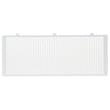
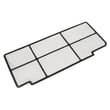
- Clean or replace the air filter regularly; use the correct replacement filter WJ85X27953.
- Keep the front intake and discharge vents clear (curtains and furniture reduce airflow).
- Rinse debris from the outdoor coil and straighten crushed fins carefully.
- Confirm the unit tilts slightly to the outside so condensate drains correctly.
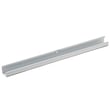
- If the unit has WiFi features and connectivity issues cause control problems, check the wifi module WJ26X27827 connections and seating.
Why it matters
A room air conditioner that is past its typical lifespan often uses more electricity to deliver the same cooling. Staying on top of airflow (filter and coils) is the fastest way to protect performance and extend service life.
Last updated: February 2026
Should I remove the drain plug from my GE window air conditioner?
Under normal operation, we recommend leaving the drain plug installed on your GE AKLK12AAG1 room air conditioner. Water collecting in the base pan is expected, especially in high humidity or rainy weather, and it is part of how many window units manage condensate.
When you should leave the drain plug in
Keeping the plug in helps the unit handle condensate the way it was designed to during typical cooling.
- Water in the base pan is normal during cooling
- Some dripping to the outside can happen in humid or rainy conditions
- The unit may use condensate to improve efficiency (by re-slinging water onto the condenser)
- Removing the plug can increase water dripping and create nuisance leaks outside
- A “full” pan does not automatically mean the air conditioner is clogged or failing
When to check for a problem instead
If you are seeing water where it should not be (inside the room), focus on installation and airflow issues before changing anything at the base pan.
- Confirm the unit tilts slightly to the outside (common cause of indoor dripping)
- Clean the air filter and make sure airflow is strong
- Make sure the front grille and louvers are not blocked by curtains or furniture
- Inspect for ice on the evaporator coil (icing can cause overflow during thaw)
- Check that the chassis is seated correctly in the cabinet
Quick troubleshooting guide
| Symptom | Most likely cause | Best next step |
|---|---|---|
| Water dripping inside | Unit not pitched outward | Re-level for a slight outdoor tilt |
| Heavy water outside | High humidity / normal condensate | Leave plug in; monitor |
| Musty odor with moisture | Dirty filter or standing water | Clean filter; run fan-only to dry |
| Weak cooling and water/ice | Restricted airflow | Clean filter; clear obstructions |
Why it matters
The base pan is meant to hold condensate during normal cooling. Leaving the drain plug in helps the air conditioner manage water without creating avoidable dripping, odor, or performance issues.
For more operating tips that reduce leaks and moisture problems, use our room air conditioner installation and operation tips.
Last updated: February 2026
How many square feet will a 12000 BTU AC unit cool?
A 12,000 BTU room air conditioner like the GE AKLK12AAG1 typically cools about 450 to 550 sq. ft. in a well-insulated space with standard 8-foot ceilings. Coverage drops in hot, sunny rooms, high ceilings, or leaky/poorly insulated spaces.
Quick sizing guide (what changes the coverage)
- Ceiling height: higher than 8 ft needs more BTUs
- Sun exposure: west-facing or full-sun rooms need more BTUs
- Insulation and air leaks: older windows and drafts reduce effective cooling
- Room layout: open floor plans often need more capacity than closed rooms
- Heat sources: kitchens, many electronics, or lots of people add load
Rule-of-thumb table for 12,000 BTU
| Room conditions | Typical coverage | What to do if it struggles |
|---|---|---|
| Good insulation, 8 ft ceiling, average sun | 450 to 550 sq. ft. | Keep filter clean; seal air leaks |
| High sun or poor insulation | 350 to 450 sq. ft. | Add shading; improve sealing |
| High ceilings or very open layout | 300 to 400 sq. ft. | Consider higher BTU or supplemental fan |
Why it matters
If the space is larger than the unit can handle, the air conditioner will run longer, feel less comfortable, and may ice up or seem like it is running but not cooling. Keeping airflow strong and the filter clean helps the unit perform closer to its rated capacity.
Helpful maintenance tip for best cooling
A clogged filter is one of the fastest ways to lose cooling performance.
- Check the filter monthly during heavy use
- Clean or replace it when it looks dusty
- Make sure the front grille is not blocked by curtains or furniture
If you need a replacement, match the filter to your model and use the correct part from the parts list; for this model, see the filter WJ85X27953.
For more sizing and setup tips, use our room air conditioner installation and operation tips.
Last updated: February 2026