




What is a PES7227EL5ES?
PES7227EL5ES is the model number for a GE built-in microwave. We use this exact model number to match the correct replacement parts (like the turntable tray and rotating ring) and to ensure fit and function when you’re troubleshooting issues such as a turntable that won’t rotate.
What this model number tells you
- Brand: GE
- Appliance type: Built-in microwave
- Parts category: Microwave parts
- Primary use: Identifies the exact configuration so you get compatible parts
Common parts customers replace on this GE built-in microwave
If your microwave runs but the turntable does not rotate smoothly, these are the most common turntable-system parts to check and replace:
Quick symptom-to-part guide
| Symptom | Most likely area | What to inspect first |
|---|---|---|
| Tray wobbles or scrapes | Turntable support | Rotating ring and tray seating |
| Tray does not rotate | Drive system | Coupler engagement and wear |
| Clicking or grinding | Support/roller path | Debris under ring, worn rollers |
Why it matters
Using the correct model number (PES7227EL5ES) prevents ordering parts that look similar but do not fit. Turntable components are especially model-specific; the wrong tray diameter or coupler shape can cause noise, wobble, or no rotation.
Last updated: February 2026
What are the disadvantages of an inbuilt microwave?
Built-in microwaves like the GE PES7227EL5ES look streamlined, but the tradeoffs are higher total cost, tighter fit requirements, and more complicated service and replacement compared to countertop models. If the unit fails, matching the cutout size and trim setup can limit your replacement options.
Common disadvantages to plan for
- Higher upfront cost: The microwave plus any trim kit or cabinet work typically costs more than a countertop unit.
- Harder replacement: You often need a microwave that matches the existing cutout dimensions and mounting style.
- More involved installation: Built-in mounting can require cabinet modifications and careful leveling.
- Service access can be limited: Removing a built-in unit for diagnosis can take more time than pulling a countertop microwave.
- Ventilation and heat management: Poor airflow around the cabinet opening can shorten component life.
- Ergonomics: Under-counter installs can mean bending; higher installs can be awkward for hot, heavy dishes.
What this means for parts and repairs
For the PES7227EL5ES, some of the most commonly replaced items are turntable-related. If your tray is wobbling, not turning, or rattling, checking these parts first can save time.
| Symptom | Common cause | Example part for this model |
|---|---|---|
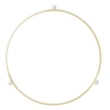
| Turntable not rotating | Worn or damaged roller ring | Rotating ring asm WB31X29703 |
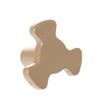
| Tray wobbles or binds | Coupler wear or misalignment | Tt couper WB02X29702 |
| Cracked or chipped tray | Impact or heat stress | Microwave glass turntable tray WB48X29704 |
Why it matters
A built-in microwave is a “fit-first” appliance. When you plan for replacement constraints and airflow, you avoid getting stuck with a unit that does not mount correctly or runs hotter than it should.
Helpful DIY reading
Last updated: February 2026
What's the average lifespan of a GE microwave?
Most GE microwaves typically last about 9 years under normal household use. For a built-in model like GE PES7227EL5ES, lifespan depends most on daily run time, ventilation/heat exposure, and keeping the cavity, door, and turntable system clean and aligned.
Typical lifespan and what affects it
- Light use (reheating only): often 9 to 12 years
- Moderate daily use: often 8 to 10 years
- Heavy use (multiple long cycles daily): often 6 to 8 years
- Poor airflow or heat buildup in the cabinet: shortens life
- Slamming the door or running empty: increases failure risk
Signs your microwave is nearing end of life
- Food takes noticeably longer to heat (even with correct power settings)
- Intermittent operation (starts, then stops mid-cycle)
- Loud humming, grinding, or turntable binding
- Door not closing smoothly or the latch feels inconsistent
- Burning smell, arcing, or repeated blown fuses
Quick care steps that extend lifespan
- Wipe the cavity and door seals weekly; grease and steam damage surfaces over time
- Keep the turntable system seated correctly; replace worn pieces like the Rotating ring asm WB31X29703 when it no longer rolls smoothly
- Avoid running the microwave empty; it stresses internal components
- Use microwave-safe covers to reduce splatter and moisture intrusion
- Make sure cabinet vents are not blocked (built-in installations need airflow)
Repair vs. replace: a simple guide
| If your GE PES7227EL5ES has this issue | Usually worth doing | Why |
|---|---|---|
| Turntable not rotating smoothly | Replace turntable support parts | Low cost, restores normal operation |
| No heat or weak heat | Diagnose heating circuit | Can be a higher-skill repair |
| Dead unit or intermittent power | Check fuse and power supply | Often a single-point failure |
For no-heat symptoms, follow our troubleshooting steps in why is my microwave not heating.
Why it matters
A microwave that is heating slowly, arcing, or running inconsistently can waste time and stress key components. Catching small issues early (especially turntable and airflow problems) helps your GE built-in microwave run more efficiently and last longer.
Last updated: February 2026
Are all microwaves 30 inches wide?
No. Microwaves are not all 30 inches wide; width depends on the style. Built-in and over-the-range models are commonly designed around 30 inches to match standard cabinet openings, while countertop microwaves vary widely and are often much narrower.
Typical microwave widths by type
Here are the common width ranges we see across most brands (including GE):
- Built-in microwave: typically about 24 to 30 inches wide
- Over-the-range microwave: typically about 29 to 30 inches wide
- Countertop microwave: typically about 17 to 24 inches wide (compact models can be smaller)
- Drawer microwave: typically about 24 to 30 inches wide
How to confirm the correct width for GE model PES7227EL5ES
For a built-in microwave like GE PES7227EL5ES, the cabinet cutout width matters as much as the microwave’s overall width. Use these checks before ordering trim or planning cabinetry:
- Measure the existing cabinet opening (left-to-right)
- Measure the microwave’s overall width at the widest point (often the front frame)
- Confirm the required clearance around the unit for airflow
- If you are replacing an older unit, compare the old cutout to the new microwave’s footprint
- If the turntable system is missing or binding, fix that separately; it does not change width but it can affect fit and operation
Quick comparison table
| Microwave type | Most common “standard” width | What drives the size |
|---|---|---|
| Built-in | 24 to 30 in. | Cabinet cutout and trim kit sizing |
| Over-the-range | 29 to 30 in. | Range width and cabinet standards |
| Countertop | 17 to 24 in. | Interior capacity and exterior design |
Why it matters
Choosing a microwave based only on “30 inches wide” can lead to a unit that will not fit the cabinet cutout, will not align with trim, or will have poor ventilation clearance. Confirming measurements first prevents returns and installation delays.
If you are also restoring normal operation (not just sizing), common turntable-related replacements for this model include the microwave glass turntable tray WB48X29704 and the rotating ring asm WB31X29703.
Last updated: February 2026


