


Can a countertop microwave be used as built-in?
Yes, a countertop microwave can be placed in a cabinet opening for a built-in look, but it must have the clearances and ventilation the manufacturer requires. For a GE built-in microwave like model GCST20S1W1SS, we recommend using a setup designed for built-in use so heat can escape and the unit can be secured safely.
What “built-in” really means
A true built-in installation is more than sliding the microwave into a cubby. It typically includes:
- Required air gaps around the sides, top, and rear for airflow
- A stable, level support surface that can handle the microwave’s weight
- A way to prevent shifting (brackets, trim kit, or a dedicated built-in design)
- A cabinet opening sized to the microwave’s installation requirements
Risks of installing a countertop unit in a cabinet
When a countertop model is enclosed without proper ventilation, common problems include:
- Overheating and nuisance shutoffs
- Shortened life of internal components (fan motor, control board)
- Warped cabinetry or heat damage around the opening
- Poor door alignment if the unit is not supported evenly
Quick fit and airflow checklist
Use this checklist before you commit to a cabinet install:
- Confirm the microwave is rated for built-in or trim-kit installation
- Verify the cabinet opening dimensions match the required cutout
- Ensure the rear and top vents are not blocked
- Provide a dedicated, properly grounded outlet in the cabinet
- Leave enough room to remove the unit for service
| Installation approach | Best for | What to watch |
|---|---|---|
| Countertop on an open shelf | Freeing counter space | Keep vents fully open |
| Countertop enclosed in a tight cabinet | Rarely recommended | Overheating risk |
| Built-in rated microwave (like GCST20S1W1SS) | Clean built-in look | Follow required clearances |
Why it matters
Microwaves move a lot of heat through their cooling airflow path. Keeping the vents clear protects the magnetron, thermal cutoffs, and wiring, and it helps your GE microwave run consistently.
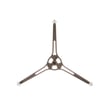
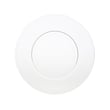
If you are refreshing the interior hardware while you adjust the fit, common turntable parts for this model include the microwave glass turntable tray WB49X10189 and the microwave turntable tray support WB06X10633.
Last updated: February 2026
What is the disadvantage of a built-in microwave?
A built-in microwave like the GE GCST20S1W1SS costs more up front and is less flexible than a countertop model because it’s designed to fit a specific cabinet cutout. Installation and replacement can be more involved, especially if the new unit’s dimensions don’t match.
Common disadvantages to plan for
- Higher total cost: the microwave plus trim kit or cabinet work (when required) typically costs more than a countertop unit.
- More complex installation: built-ins often need precise cutout sizing, secure mounting, and proper ventilation clearance.
- Harder replacement later: you may be limited to models that match the existing opening, which can reduce your options.
- Less portability: you cannot easily move it to another spot or take it with you.
- Service access can be tighter: built-in placement can make troubleshooting and removal more time-consuming.
What this means for parts and maintenance
Even simple wear items can matter more in a built-in because you usually want to keep the unit running rather than swap it out quickly.
| Issue you notice | Common cause | Typical fix |
|---|---|---|
| Turntable not rotating smoothly | Worn or broken tray support | Replace the microwave turntable tray support WB06X10633 |
| Tray is chipped, cracked, or wobbles | Damaged glass tray | Replace the microwave glass turntable tray WB49X10189 |
| Uneven heating in the food | Food placement, no rotation, or incorrect cookware | Verify the tray rotates freely; use microwave-safe cookware |
Why it matters
Built-in microwaves are a “fit-first” appliance. When the cabinet opening, mounting method, and clearances are fixed, the cost and effort of installation and future replacement become the biggest tradeoffs compared to a countertop microwave.
Last updated: February 2026
What's the average lifespan of a GE microwave?
Most GE microwaves, including the GE GCST20S1W1SS built-in microwave, last about 7 to 10 years with normal household use. Heavy daily use, poor ventilation, and running the oven empty can shorten life; keeping the cavity clean and the turntable working smoothly helps it reach that typical range.
Typical lifespan and what affects it
A microwave’s lifespan is driven more by usage and care than by the brand name on the door.
- Light use (reheating 1 to 2 times/day): often closer to 10 years
- Heavy use (multiple long cook cycles/day): often closer to 7 years
- Heat and grease exposure: shortens control and door-switch life
- Power quality (surges): can damage the control board
- Turntable drag or wobble: adds strain and can cause noise and uneven heating
Quick care checklist (built-in microwave)
These habits reduce wear on common failure points like the door switches, cooling airflow, and turntable drive.
- Wipe spills promptly; avoid letting grease bake onto the cavity walls
- Never run the microwave empty
- Use microwave-safe containers only (no metal, no foil contact)
- Keep the turntable seated correctly on the support
- Stop using it if the door doesn’t close firmly or the latch feels loose
Parts that commonly get replaced first
Many “microwave problems” are really turntable issues (noise, wobble, or the tray not rotating). For the GCST20S1W1SS, these are common wear items:
| Symptom | Likely turntable-related fix | Part to check |
|---|---|---|
| Tray wobbles or rattles | Replace worn support/roller ring | Microwave turntable tray support WB06X10633 |
| Glass tray chipped or broken | Replace the tray | Microwave glass turntable tray WB49X10189 |
| Food heats unevenly | Ensure tray rotates freely and sits flat | Support + tray seating |
Why it matters
A microwave that’s nearing end-of-life often shows small warning signs first (louder operation, intermittent heating, or turntable problems). Replacing simple wear parts early can prevent extra strain and keep cooking performance consistent.
Last updated: February 2026