Installation guide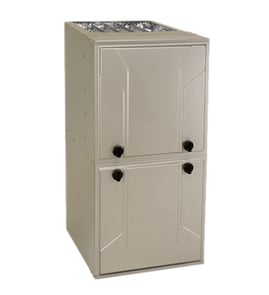





What is the most common part to fail on a furnace?
The most common “failure” we see on furnaces is not a single part, it is restricted airflow from a dirty air filter; that overheating can open a safety limit and shut heat off. On the Icp N9MP2080F16C1, common no-heat culprits also include the flame sensor, igniter, and control board diagnostics. See the installation guide for safety and diagnostic code details.
Most common furnace issues (in order)
- Dirty or restrictive air filter causing high temperature rise and a safety shutdown
- Flame sensing problems (dirty or failing flame sensor)
- Ignition problems (weak or cracked hot surface igniter)
- Draft/venting problems (inducer or pressure switch issues)
- Electrical issues (blown fuse, loose wiring, polarity problems)
- Control board lockouts after repeated failed ignition attempts
What to check first on the N9MP2080F16C1
Start with the simple airflow and safety items, then move to ignition.
- Replace the air filter and make sure supply and return vents are open
- Confirm the furnace is controlled by a thermostat (it should not be “hot wired”)
- Watch the control board LED and count flashes to identify the fault
- If you see “limit open” style faults, address airflow first (filter, ducts, blower)
- If you see “failure to ignite” faults, focus on igniter and flame sensing
Common diagnostic-code to part mapping
| What you observe | What it usually points to | Parts that often fix it |
|---|---|---|
| 4 flashes or 7 flashes (limit or rollout open) | Overheating or safety switch trip | Filter/airflow; sometimes furnace temperature limit switch 1013102 |
| 6 flashes (failed ignition or flame lost) | Ignition or flame proving problem | Furnace burner igniter 1172533, furnace burner flame sensor 1172827 |
| Soft lockout repeats right after power reset | Control fault/lockout behavior | Icp furnace electronic control board 1172550 |
Why it matters
A furnace that shuts down on a limit or lockout is doing its job; it is preventing unsafe operation. Fixing the root cause (airflow, ignition, venting, wiring) restores reliable heat and helps protect major components like the heat exchanger.
Last updated: February 2026
What is the most expensive part to fix on a furnace?
For an Icp N9MP2080F16C1 90+ single-stage gas furnace, the most expensive repair is typically a heat exchanger replacement because it is labor-intensive and involves major disassembly. Among common replaceable components, the blower motor and the electronic control board are usually the priciest parts.
What tends to cost the most (and why)
Heat exchangers (primary or secondary) usually top the list because access is difficult and the job time is high. The installation guidance also emphasizes inspection access to view the heat exchanger exterior, which reflects how critical that component is to safe operation (see the installation guide).
Other high-cost repairs often include:
- Blower motor assembly (high part cost, more labor to swap and set up)
- Electronic control board (controls ignition sequence, blower timing, safety circuits)
- Inducer vent motor assembly (critical for venting and pressure proving)
- Gas valve (less common, but can be expensive)
Model-specific examples for N9MP2080F16C1
These are common higher-dollar parts we see customers replace on this model:
- Icp furnace electronic control board 1172550
- Icp furnace inducer vent motor assembly 1172823
- Mtr blr 1009052
Quick comparison (parts only)
| Repair item | Typical cost driver | Notes |
|---|---|---|
| Heat exchanger | Labor + major teardown | Often the highest total repair bill |
| Blower motor | Part price | Can also involve capacitor and airflow setup |
| Control board | Part price | Miswiring can cause repeat failures |
| Inducer motor | Part price + venting checks | Often tied to pressure switch/vent issues |
How to keep repair costs down
We recommend focusing on the issues that commonly lead to expensive failures:
- Replace the air filter on schedule to prevent overheating and limit-switch trips.
- Keep return and supply airflow unobstructed (closed registers raise furnace temperature).
- Make sure venting and combustion air are correct; contaminated combustion air can damage components.
- Have the furnace inspected and serviced annually before heating season.
- If you do electrical troubleshooting, disconnect power first and label wires before removing them.
Why it matters
The “most expensive part” is often expensive because it affects core safety and operation. A furnace that overheats (limit switch issues), fails to vent (inducer/pressure problems), or has control faults can cascade into bigger repairs if it keeps cycling under stress.
Last updated: February 2026
What are the most common furnace repairs?
For the Icp N9MP2080F16C1 90+ single-stage gas furnace, the most common repairs are airflow problems (dirty filter or blower issues), ignition and flame-sensing problems, venting or inducer problems, and safety shutdowns from switches or the control board. Many “no heat” calls trace back to these basics.
Common repairs we see most often
- Replace a clogged air filter and clear blocked return or supply vents (prevents overheating and limit trips).
- Clean or replace the flame sensor when burners light then shut off quickly (short cycling).
- Replace a failed hot surface igniter when the furnace tries to start but never lights.
- Replace the inducer vent motor when the furnace will not draft or proves venting.
- Replace a temperature limit switch if it is weak, open, or repeatedly tripping after airflow is confirmed.
- Diagnose wiring and replace the electronic control board when the furnace will not sequence correctly.
Quick symptom-to-part checklist
| Symptom | What it usually points to | Common part on this model page |
|---|---|---|
| Blower runs but no heat | Ignition or flame proving issue | Furnace burner igniter 1172533, furnace burner flame sensor 1172827 |
| Starts then shuts off in seconds | Flame sensor dirty or failing | Furnace burner flame sensor 1172827 |
| Hums, overheats, or shuts down | Airflow restriction or limit opening | Furnace temperature limit switch 1013102 |
| Won’t start draft cycle | Inducer or venting prove issue | Icp furnace inducer vent motor assembly 1172823 |
| Random behavior, no sequence | Control or wiring issue | Icp furnace electronic control board 1172550 |
Safety and service basics (important for gas furnaces)
Our installation guidance emphasizes safe operation and correct servicing practices:
- Disconnect electrical power before servicing.
- Label wires before disconnecting and reconnect them correctly.
- Replace doors/panels after service so safety switches can operate.
- If you notice sparks, odors, or unusual noises, shut off power and check for wiring errors or blower obstructions.
- Plan for annual inspection and maintenance before the heating season.
For model-specific setup and maintenance notes (including thermostat control and service cautions), use the installation guide.
Why it matters
Most furnace “repairs” start as small issues (dirty filter, weak flame sensor, restricted airflow) that trigger safety devices and shut the system down. Fixing the root cause helps prevent repeated lockouts, nuisance shutdowns, and premature wear on the inducer, blower motor, and control board.
Last updated: February 2026