Owner’s manual
 Error Codes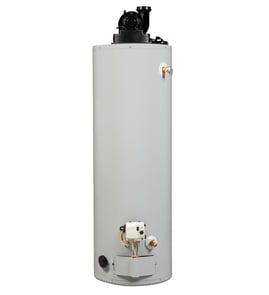



What is the average cost of replacing a gas hot water heater?
For a standard tank-style gas water heater like the American FG6150T403NO, the typical installed replacement cost is about $1,600 to $2,400. Tankless replacements usually run higher, commonly about $2,400 to $5,400, because venting, gas line sizing, and plumbing changes are more involved.
What usually drives the price
Replacement cost is mostly labor and materials, not just the tank. These items commonly change the total:
- Tank type and size (standard tank vs. tankless; 40-50 gallon is common)
- Venting work (draft hood, vent connector, chimney liner, or power vent changes)
- Gas line changes (pipe sizing and length can require upgrades)
- Water piping updates (shutoff valve, unions, expansion tank, tempering valve)
- Code-required safety items (drip pan, seismic straps, combustion air requirements)
- Disposal and haul-away of the old heater
Typical cost ranges (what you can expect)
| Replacement scenario | Typical installed range | Notes |
|---|---|---|
| Like-for-like tank gas replacement | $1,600 to $2,400 | Least changes to venting and gas line |
| Tank gas replacement with venting or gas line upgrades | $2,200 to $3,500 | Common when venting or gas capacity must be corrected |
| Tankless gas replacement | $2,400 to $5,400 | Often needs new venting and higher gas flow |
Model-specific notes for FG6150T403NO
Your FG6150T403NO is a gas unit, so installers typically verify combustion air, ventilation, and gas supply sizing during replacement. The manual also notes that gas input is on the data plate and gas piping must be sized to meet the BTU demand, which can affect installation cost if the existing line is undersized. For the exact installation requirements used for this model, use the owner's manual.
Why it matters
A low quote often assumes a simple swap. If the venting or gas supply is not correct, the heater can perform poorly and create unsafe operating conditions. Budgeting for possible venting and gas line work helps avoid surprises.
Last updated: February 2026
Why are gas water heaters being phased out?
Gas water heaters are being phased out in some areas because local and state policies aim to reduce air pollution and greenhouse-gas emissions from burning natural gas or propane in homes. The exact timeline depends on where you live and what rules apply to your American FG6150T403NO installation.
What is driving the phase-out
Most phase-out efforts focus on emissions created during combustion, especially in densely populated regions.
- Cutting smog-forming pollutants (often nitrogen oxides)
- Lowering overall building-related emissions over time
- Meeting regional clean-air targets in areas with persistent air-quality issues
- Encouraging electrification (heat pump water heaters are a common alternative)
- Reducing indoor and outdoor risks tied to combustion appliances when venting or air supply is poor
What it means for owners of the American FG6150T403NO
In many places, existing gas water heaters can still be used and serviced; the biggest changes typically affect new installations or like-for-like replacements when a unit fails.
| Situation | What usually happens | What you should do |
|---|---|---|
| Existing heater is working | Continued use is typically allowed | Maintain it and follow the safety and venting guidance in the FG6150T403NO owner's manual |
| Heater needs a repair | Repairs are often still allowed | Use model-correct parts and keep combustion air and venting clear |
| Heater must be replaced | Replacement rules may limit new gas installs | Check local requirements before purchasing a new unit |
Safety and installation details that matter with gas models
Our manual guidance for this model highlights several combustion-related safety points that are especially important as regulations tighten.
- Install indoors, vertical, on a level surface; keep required clearances (see the data plate guidance in the manual)
- Do not store or use flammable liquids or vapors near the heater
- Avoid locating the heater near air-moving devices (exhaust fans, dryers, fireplaces) that can cause flue-gas backdrafting
- If you smell gas, follow the warning instructions for your unit before attempting to light it
- If any part has been under water, the manual guidance calls for replacement of the water heater
Why it matters
Phase-outs are mainly about reducing community-wide emissions, but for homeowners they also change planning: you may need to choose between repairing a gas unit, replacing it with another gas model (where allowed), or switching to an electric option.
Last updated: February 2026
Are water heater parts interchangeable?
Some water heater parts are interchangeable across brands and models, but only when the fuel type and the exact specifications match. For the American FG6150T403NO gas water heater, always match parts by model and rating; natural gas and LP (propane) parts are not interchangeable.
What is usually interchangeable (when specs match)
These parts are often standardized, but you still need to match thread size, pressure rating, and temperature rating:
- Temperature and pressure relief valve (T&P) with the correct pressure rating for the tank data plate
- Drain valve with the correct thread type and outlet style
- Draft hood if the vent size and configuration match
- Access doors and gaskets when the opening and mounting points match
What is usually not interchangeable
Gas combustion and control parts are model and fuel-specific. Swapping them can cause ignition problems, poor combustion, or unsafe operation.
- Gas control valve (especially natural gas vs LP)
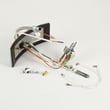
- Pilot/igniter assemblies
- Burner/manifold components
- Sealed combustion door gaskets and related hardware
Model-specific parts we commonly see replaced
If you are troubleshooting leaks, ignition issues, or venting problems on FG6150T403NO, these are common match-by-model items:
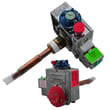
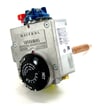
- Water heater propane gas control valve 100093749
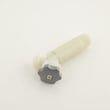
- Water heater pilot igniter 100110936
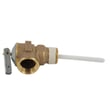
- T&p valve 100108279
- Drain valve 100109106
Quick compatibility checklist
Use this table to confirm you are comparing the right details before ordering.
| Part type | Must match | Why it matters |
|---|---|---|
| T&P relief valve | Tank working pressure rating, thread size, discharge setup | Prevents overpressure and overheating events |
| Gas control valve | Fuel type (LP vs natural gas), mounting, temperature control style | Controls gas flow and safety shutoff |
| Pilot/igniter | Connector type, mounting, ignition method | Reliable lighting and flame sensing |
| Draft hood | Vent diameter and fit | Proper draft and safe venting |
Why it matters
Your water heater safety devices are designed as a system. For example, the owner's manual specifies using only a new T&P relief valve and installing the discharge line correctly (no valves or caps, correct size, and proper termination). Matching the correct ratings helps protect the tank, piping, and your home.
Last updated: February 2026
What is the typical lifespan of a gas hot water heater?
A typical gas water heater lasts 8 to 12 years. For your American FG6150T403NO, regular maintenance (especially draining and flushing sediment and inspecting the anode rod) helps you reach the upper end of that range; neglected tanks usually fail sooner.
Typical lifespan ranges (what to expect)
| Water heater type | Typical lifespan | What usually ends its life |
|---|---|---|
| Gas tank water heater | 8 to 12 years | Tank corrosion, sediment damage, venting or burner issues |
| Electric tank water heater | 10 to 15 years | Element/thermostat failures, tank corrosion |
Maintenance that most improves lifespan
Use the schedule and procedures in your FG6150T403NO owner's manual.
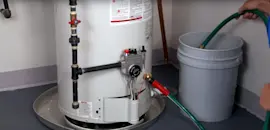
- Flush sediment from the tank periodically to reduce overheating and rumbling
- Inspect the anode rod every 3 years; replace it if it is more than 50% depleted
- Keep the burner area clean and the combustion air path unobstructed
- Watch for water odor or discoloration; anode condition and water chemistry often drive this
- Address small leaks early (valves and fittings) to prevent corrosion and water damage
Parts that commonly affect longevity on this model
These parts do not “extend” tank life by themselves, but replacing a failing valve or ignition component can prevent nuisance shutdowns and leaks.
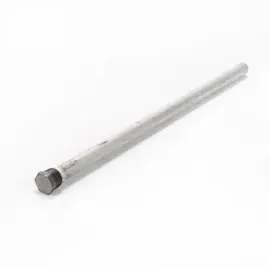
- Water heater anode rod 100109594 (sacrificial rod that helps protect the tank)
- Drain valve 100109106 (helps with draining and flushing)
- T&p valve 100108279 (critical safety valve; replace if it leaks or will not operate correctly)
Why it matters
Once the tank starts leaking from internal corrosion, replacement is the practical fix. Staying on top of sediment removal and anode-rod condition is the most reliable way to get full service life from a gas tank water heater.
Last updated: February 2026
What is the most common problem with gas water heaters?
On the American FG6150T403NO gas water heater, the most common problem we see is ignition trouble: the pilot will not light or will not stay lit, so the burner never runs and you get little or no hot water. This is often tied to the pilot/ignition assembly or gas control issues (and sometimes airflow or safety shutdown conditions). See the owner's manual for the exact lighting steps and safety warnings.
Quick checks we recommend first
- Confirm the gas supply is on and other gas appliances work.
- Follow the lighting instructions exactly; watch the pilot through the viewport.
- If you have LP (propane), smell near floor level before lighting; LP gas can collect low.
- Make sure the outer door is installed correctly; improper combustion air can cause shutdowns.
- If the unit has been unused for 2 weeks or more, run hot water at a faucet for several minutes before using any electrical appliance connected to hot water (hydrogen gas risk).
Common causes and what they look like
| Symptom | Most likely area | What you can do next |
|---|---|---|
| Pilot will not light | Ignition/pilot parts | Inspect and replace the water heater pilot igniter 100110936 if it is damaged or not sparking. |
| Pilot lights but will not stay lit | Pilot/controls, combustion conditions | Check for drafts, door fit, and proper lighting procedure; replace the pilot/igniter if weak. |
| Water too hot or temperature swings | Thermostat setting, short draws (stacking) | Set a safe starting point around 120°F; consider an anti-scald device if stacking occurs. |
| Drips from relief valve or discharge pipe | Temperature and pressure relief system | Test and replace the t&p valve 100108279 if it will not reseat or is leaking. |
Why it matters
Ignition problems stop hot water production, but they can also signal unsafe combustion or a safety system shutdown. Correct door placement, proper ventilation, and following the lighting procedure help the burner run safely and consistently.
Parts that commonly solve “no hot water” on this model
- Water heater pilot igniter 100110936
- Water heater pilot igniter 100110927
- Water heater propane gas control valve 100093749
- Draft hood 100111362
Last updated: February 2026