- Kenmore refrigerator water filters
- Whirlpool refrigerator water filters
- Samsung refrigerator water filters
- GE refrigerator water filters
- LG refrigerator water filters
- Frigidaire refrigerator water filters
- KitchenAid refrigerator water filters
- Maytag refrigerator water filters
- Kenmore Elite refrigerator water filters
- Estate refrigerator water filters
- GE Profile refrigerator water filters
- Amana refrigerator water filters
- Bosch refrigerator water filters
- Dacor refrigerator water filters
- Electrolux refrigerator water filters
Top DIY repair help
View All Repair Categories
Appliances
Lawn & Garden
Power Tools
Home Improvement
Sports & Leisure
Heating & Cooling
Why your dryer keeps tripping the breaker (and how to fix it)
less than a minute readJul 14Kim Hillegass
Few things bring laundry day to a halt faster than a dryer that keeps tripping the breaker. Not only does it leave you with a load of damp clothes, but it also raises concerns about electrical safety and potential fire hazards.
It might seem like a big problem, but many causes of a tripped dryer breaker are simple to check and resolve yourself. A few systematic checks can help you pinpoint the issue, restore your dryer’s function, and keep laundry day on track.
Why your dryer trips the breaker
When your dryer keeps tripping the breaker, it’s usually because something is causing it to pull more current than the circuit can handle, or there’s a fault causing a sudden surge.
Here are the most common reasons:
Overloaded circuit: If your dryer shares a circuit with other appliances or devices, it can overload the circuit, especially when the dryer’s heating element cycles on.
Short circuits in the heating element: A damaged heating element can break and contact the metal housing, creating a short circuit that trips the breaker immediately when the dryer tries to heat.
Motor issues: A failing or locked-up drive motor can draw excessive current when it tries to start, triggering the breaker.
Wiring problems: Damaged, loose, or exposed wires inside the dryer or at the outlet can cause shorts or intermittent surges, leading to breaker trips.
Faulty door or start switch: A defective door switch or push-to-start switch can cause electrical faults that interrupt normal current flow, leading to breaker trips when you try to start the dryer.
Faulty breaker: Sometimes, the breaker itself is worn out or overly sensitive, tripping even when the dryer is working correctly. If you’ve ruled out issues with the dryer, the breaker may need inspection or replacement by an electrician.
Understanding these potential causes will help guide your troubleshooting as you work to get your dryer running safely again.
Start with these simple checks
Before diving into dryer disassembly, rule out simple issues that can cause your dryer to trip the breaker:
Check circuit capacity and shared loads
Verify that your dryer is on a dedicated 240-volt circuit without other appliances plugged in. If your dryer shares a circuit with additional appliances (like a freezer or space heater), the combined load can exceed the breaker’s rating and cause trips during operation. Unplug other devices on the circuit to see if the problem stops.
Check the breaker itself
Sometimes, the problem isn’t the dryer but the breaker. Aweak or faulty breaker can trip under normal load, especially if it’s old or frequently tripped in the past. If the breaker feels warm to the touch or trips inconsistently, it may need to be replaced by an electrician.
Check for airflow restrictions
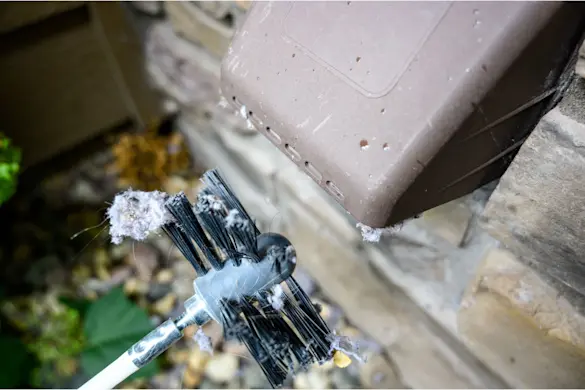
Blocked vents or lint buildup can cause the dryer to overheat, drawing more current and tripping the breaker. Disconnect the dryer from power and check the lint trap, the vent hose, and the vent duct itself for clogs. Lint and debris can accumulate along the entire length of the duct, especially in long or angled vent runs, restricting airflow and forcing the dryer to work harder.
Thoroughly cleaning the vent duct is important for performance and safety. Depending on the length, location, and angles in your venting, you may need to hire a professional dryer duct cleaning service.
Routine dryer maintenance and cleaning is the best way to maintain proper airflow and reduce strain on your dryer.
Check the heating element
A shorted heating element is a common cause of a dryer repeatedly tripping the breaker. If the coil inside the element breaks and touches the metal housing, it creates a direct short to ground, causing a sudden surge that trips the breaker immediately when the dryer runs.
To check the heating element, disconnect power to the dryer and locate the element (typically behind the lower front panel or at the rear of the dryer, depending on your model). Use a multimeter to test for continuity between the terminals and to the metal housing. If you get continuity between a terminal and the housing, the element is shorted and needs to be replaced.
If your test confirms the element is shorted, replace the dryer heating element to restore safe operation.
Inspect the dryer motor
The dryer motor can trip the breaker if it is drawing too much current due to seized bearings, an internal short, or an overload condition. Over time, lint buildup, worn bearings, or debris in the blower wheel can cause the motor to strain, overheat, and pull more amperage than normal, leading to repeated breaker trips.
To check the motor, unplug the dryer and access the motor assembly (typically behind the lower front or rear panel). Spin the blower wheel by hand to ensure it moves freely without grinding or resistance, which may indicate worn bearings or obstructions.
Next, use a multimeter to test for continuity across the motor terminals and to check for shorts to the motor housing. If the motor shows continuity where it shouldn’t, or you find a short, replace the dryer motor.
Check door switch and start switch
The door switch and push-to-start switch play key roles in your dryer’s electrical circuit. If either switch is faulty, it can create a short circuit or cause the dryer to draw excessive current, leading to tripped breakers.
The door switch ensures the dryer only runs when the door is closed. A stuck or shorted door switch can cause the dryer to behave erratically or trip the breaker during a cycle.
The push-to-start switch engages the motor circuit when you press the start button. If it’s faulty, it may not disengage properly, leading to electrical issues.
To check these switches, unplug the dryer and remove the control panel or access panel to locate the switches. Use a multimeter to test for continuity according to your dryer’s wiring diagram.
If you find a failed switch, replace the dryer door switch or replace the dryer push-to-start switch to restore safe operation.
Wiring issues to consider
Damaged wires, loose connections, or burned terminals inside your dryer can cause short circuits that trip your breaker immediately when the dryer starts or during a cycle. Rodents, vibration, and overheating are common reasons wires become damaged.
Start by unplugging the dryer and visually inspecting accessible wiring for signs of:
Frayed or broken wires
Burn marks on connectors or terminals
Loose connections at the terminal block or components
If you find damage you should repair the wires yourself or hire a professional technician to repair them for you.
For a thorough check, you can use a multimeter to test continuity across suspect wires and connections. If you’re comfortable, using your dryer’s wiring diagram can help you trace circuits and pinpoint the problem:
Get familiar with wiring schematic symbols explained
Identifying and repairing wiring issues can prevent recurring breaker trips and ensure your dryer operates safely.
When to call for service
While many causes of a dryer tripping the breaker are straightforward to check, some situations are best handled by a professional:
If the breaker trips immediately when you plug in the dryer, it could indicate a severe short or a grounding issue.
If you find burnt wiring, charred terminals, or smell burning, disconnect power immediately and call for service.
If you’ve replaced components like the heating element, motor, or switches but the breaker still trips, further electrical diagnostics may be needed.
In these cases, a licensed technician can safely pinpoint the cause, prevent further damage, and ensure your dryer is operating safely.
Diagnosing and fixing dryer issues promptly helps prevent bigger problems later. If you need help with other dryer problems, visit our DIY dryer repair help page for step-by-step repair guides and troubleshooting tips to get your dryer back to safe, reliable operation.