- Kenmore refrigerator water filters
- Whirlpool refrigerator water filters
- Samsung refrigerator water filters
- GE refrigerator water filters
- LG refrigerator water filters
- Frigidaire refrigerator water filters
- KitchenAid refrigerator water filters
- Maytag refrigerator water filters
- Kenmore Elite refrigerator water filters
- Estate refrigerator water filters
- GE Profile refrigerator water filters
- Amana refrigerator water filters
- Bosch refrigerator water filters
- Dacor refrigerator water filters
- Electrolux refrigerator water filters
Top DIY repair help
View All Repair Categories
Appliances
Lawn & Garden
Power Tools
Home Improvement
Sports & Leisure
Heating & Cooling
Leaf blower won't start after storage? 5 quick fixes before leaves start falling
less than a minute readSep 15Lyle Weischwill
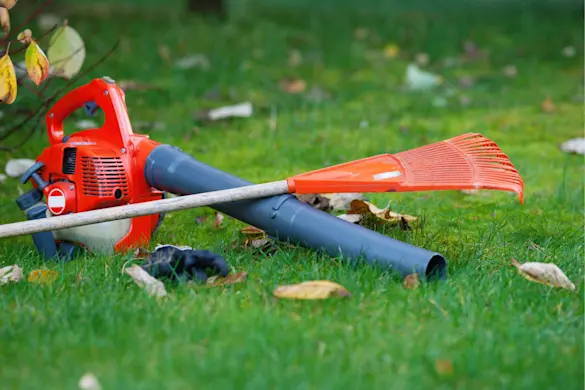
With fall cleanup season just around the corner, many homeowners are dusting off their leaf blowers in preparation. But if it's been sitting idle all summer, some may experience problems with it starting. In most cases, the cause is simple: storage-related problems that only take a few steps to fix.
When small engines sit unused, fuel can go stale, filters can clog, and parts can stick, making it harder for your blower to fire up when you need it most. Before you give up and reach for the rake, a little troubleshooting can usually get things running again.
Always remember: work in a well-ventilated area, keep sparks and flames far away from gasoline, and follow your service manual for specific instructions on your model.
Common reasons a leaf blower won’t start after storage
Old or stale fuel
Gasoline that’s been sitting in the tank or carburetor all summer can break down and form sticky deposits. This “varnish” clogs fuel passages and prevents proper combustion. Signs of stale fuel include a strong sour smell, sputtering, or the engine refusing to fire at all.
Clogged carburetor or fuel filter
When fuel deteriorates, it leaves behind residue that can block the carburetor jets or plug up the fuel filter. If the engine turns over but won’t keep running, or if it only runs on starter fluid, a clogged carburetor or dirty filter may be the cause. Cleaning or replacing these parts often restores fuel flow.
Dirty or damaged spark plug
Spark plugs foul over time from carbon deposits or normal wear. A weak or missing spark makes starting nearly impossible. To check, remove the plug and inspect it for heavy buildup, cracks, or a worn electrode. Cleaning may work in a pinch, but replacement is usually the fastest fix.
Clogged air filter
Leaf blowers pull in a lot of air, and if the filter is coated with dirt and debris, airflow becomes restricted. That starves the engine of oxygen, making it hard to start or causing it to stall right away. Checking and cleaning or replacing the filter is one of the easiest first steps.
Flooded engine
Trying to start a blower after long storage can sometimes flood the engine with excess fuel. You’ll notice a strong gas smell and may find the spark plug wet. To clear it, remove the plug, let the cylinder air out, and try again with fewer primer bulb pumps or a different choke setting.
Step-by-step troubleshooting
1. Check and replace old fuel
Gasoline that’s been sitting all summer is one of the most common culprits behind a leaf blower that won’t start. Drain the tank completely and refill with fresh fuel (and the proper oil mix, if your blower is 2-cycle). This single step often solves the issue.
2. Inspect air filter and spark plug
Remove the air filter and check for dirt buildup or damage. Clean it if it’s reusable, or swap it out if it’s worn. Next, pull the spark plug and inspect the tip. A fouled or damaged plug can keep the engine from firing. Cleaning may help, but replacement is usually quick and inexpensive.
3. Check the fuel filter
If your blower starts briefly and then dies, the fuel filter may be clogged with debris or varnish from old gas. Replacing it ensures clean fuel flow to the carburetor.
4. Clean the carburetor
If fresh fuel and a new filter don’t solve it, the carburetor may be clogged. Sometimes a light cleaning is enough, but if varnish buildup is severe, you may need to rebuild the carburetor or replace it entirely. If cracked or brittle hoses are part of the problem, follow this guide to replace leaf blower fuel lines.
5. Check for flooding
If the engine smells strongly of gas or the spark plug is wet, the blower may be flooded. To clear it, remove the plug, let the cylinder air out, and then try restarting with fewer primer pumps or adjusted choke settings.
Preventing problems next year
The best way to avoid a no-start surprise is to [prep your leaf blower before putting it away](). At the end of the season, run the blower dry or add a fuel stabilizer to keep gas from breaking down in the tank. Store the blower in a cool, dry place to protect plastic and rubber parts from heat and humidity.
A leaf blower that won’t start after sitting all summer frequently have easy fixes; fresh fuel, a cleaned carburetor, or a new spark plug are often all it takes. With regular maintenance before and after the season, you’ll keep your blower reliable year after year. When you do need repair instructions or parts, our leaf blower repair help section has step-by-step guides to walk you through it. A dependable blower makes fall yard cleanup faster, easier, and a whole lot less stressful.