- Kenmore refrigerator water filters
- Whirlpool refrigerator water filters
- Samsung refrigerator water filters
- GE refrigerator water filters
- LG refrigerator water filters
- Frigidaire refrigerator water filters
- KitchenAid refrigerator water filters
- Maytag refrigerator water filters
- Kenmore Elite refrigerator water filters
- Estate refrigerator water filters
- GE Profile refrigerator water filters
- Amana refrigerator water filters
- Bosch refrigerator water filters
- Dacor refrigerator water filters
- Electrolux refrigerator water filters
Top DIY repair help
View All Repair Categories
Appliances
Lawn & Garden
Power Tools
Home Improvement
Sports & Leisure
Heating & Cooling
How to choose the right chainsaw chain
less than a minute readOct 06Kim Hillegass
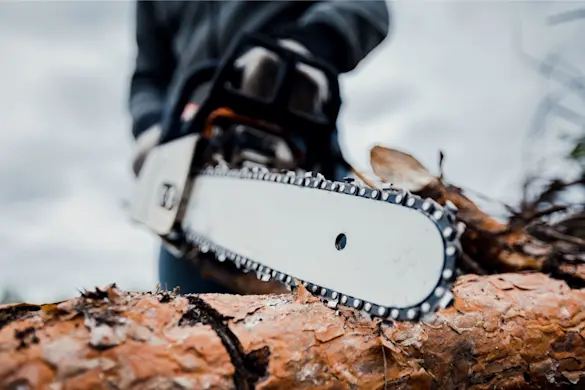
Your chainsaw is only as good as the chain you put on it. The wrong chain can lead to rough cuts, faster wear, or even kickback that makes the saw harder to control. The right one helps deliver cleaner, faster cuts while improving safety and extending the life of both the chain and the saw.
Chain selection depends on more than just bar length. Factors like pitch, gauge, tooth shape, and cutter type all play a role. The best match comes down to your saw’s specifications, the kind of cutting you do, and your comfort level with different chain designs.
From sizing and compatibility to cutter styles and performance differences, here’s what you need to know.
Know your saw: chain compatibility basics
Before you dive into tooth styles or performance upgrades, you need to make sure the chain will physically fit your chainsaw. Chain compatibility depends on pitch, gauge, and drive link count. All three must match your bar and sprocket exactly. Otherwise the chain won’t fit, won’t run smoothly, and could become a safety hazard.
Pitch refers to the distance between any three consecutive rivets divided by two. It determines how large the links are and must match the drive sprocket and bar tip.
Gauge is the thickness of the drive links, the part of the chain that fits into the guide bar groove. Using the wrong gauge can cause the chain to bind, slip, or come off entirely.
Drive link count is the total number of links that ride in the guide bar. This number controls the overall length of the chain and must match your bar’s specifications.
You’ll usually find these specs stamped on the chainsaw bar or listed in the service manual. If you’re replacing an old chain, the numbers may also be printed on the drive links themselves.
Installing a chain that’s even slightly off in pitch, gauge, or link count can reduce cutting performance, wear out the bar and sprocket faster, or increase the risk of kickback. You're looking for a perfect fit.
Choose the right chain type for the job
The type of cutter on your chainsaw chain has a big impact on how it performs. Some chains are designed for speed, others for durability or control. Choosing the right cutter style depends on what kind of wood you're cutting and how often you use your saw.
Full chisel cutters have square-cornered teeth that slice quickly through hardwood. They deliver fast, aggressive cuts but dull more easily and are less forgiving in dirty or frozen wood. These are ideal for experienced users handling clean, dense material.
Semi chisel cutters have rounded corners that cut a bit more slowly but stay sharper longer. They handle gritty or frozen conditions better and are easier to sharpen. A good choice for general-purpose cutting and less-than-perfect wood.
Low-profile cutters are designed for casual users and light-duty work like trimming or cutting small branches. These chains tend to be easier and safer to handle.
For specialty work, carbide-tipped chains are also available. These are built to withstand abrasive conditions like cutting treated lumber or dirty logs and hold their edge longer than standard steel chains.
Each of these chainsaw chain types has pros and cons depending on your task and experience level. Selecting the right cutter style means better performance and longer chain life. It also ensures a safer cutting experience tailored to your needs.
Match your chain to your experience level
Your skill level should help guide your choice of chainsaw chain as well. Some chains cut faster but demand more control, while others are designed with safety and ease of use in mind.
Full chisel chains are powerful but unforgiving. Their square-cornered cutters bite into wood quickly and are more likely to kick back if the bar tip hits something unexpectedly. These chains are best suited for experienced users who are comfortable handling a powerful saw.
Semi chisel and low-kickback chains offer more control and reduce the risk of accidents. Their rounded teeth are slower to cut but safer and easier to handle, making them a better option for beginners or anyone doing general yard work.
Sharpening difficulty also varies. Full chisel cutters need careful sharpening to maintain performance. Semi chisel chains are easier to sharpen and stay sharp longer in dirty or frozen wood.
Understand cutting performance trade-offs
Not all chainsaw chains perform the same, and choosing the right one often means balancing speed, control, and durability.
Faster isn’t always better
Full chisel chains cut quickly and cleanly through hardwoods, but they dull faster and don’t handle dirt or frozen wood well. Semi chisel chains cut more slowly but stay sharp longer and are better for cutting in less-than-ideal conditions.
Kickback is a safety concern
Some chains are designed to reduce kickback by altering the shape and spacing of the cutters. These low-kickback chains offer an extra layer of safety, especially for casual users or those working in tight spaces.
Match performance to the job
If you're felling large hardwood trees, a full chisel chain may be worth the speed and precision. For softwood or limb work, semi chisel or low-profile chains offer more control and durability. Always consider what you’re cutting and how often when weighing these trade-offs.
When to replace your chain
Even a well-maintained chainsaw chain won’t last forever. Knowing when to replace it can help you avoid poor performance and potential safety issues.
Look for these signs of wear:
The chain dulls quickly, even after sharpening.
It cuts unevenly or pulls to one side, leaving crooked cuts.
The wood burns during cutting, indicating excessive friction.
Teeth are chipped, broken, or missing altogether.
If you're noticing any of these issues, it’s time for a new chain.
Common mistakes to avoid
Choosing the right chainsaw chain isn’t complicated, but it’s easy to make avoidable mistakes. Watch out for these common missteps:
Using a chain with the wrong pitch, gauge, or drive link count
Picking a chain based on price instead of performance or safety
Forgetting to match the chain to your bar and saw specifications
Ignoring the type of wood you’re cutting and how often you use your saw
Avoiding these pitfalls can save you frustration and keep your chainsaw working safely and efficiently.
A good chainsaw chain fits your saw, matches your skill level, and suits the work you need to do. Always consult your service manual or current chain specs before buying. Whether you’re cutting hardwood, trimming branches, or tackling weekend firewood prep, the right chain makes the job smoother and safer.
Need repair help or planning a quick tune-up? Our DIY chainsaw repair help hub offers troubleshooting tips, repair guides, and helpful advice to keep your saw cutting smoothly and safely.