




What is the life expectancy of a KitchenAid oven?
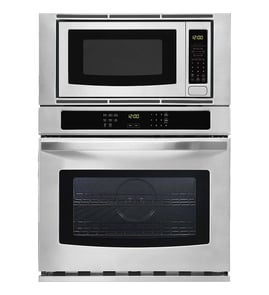
KitchenAid ovens typically last 10 to 15 years. For your KitchenAid KOEC530PSS00 electric wall oven/microwave combo, lifespan depends most on heat exposure, door seal condition, and how often the oven and microwave are used; keeping airflow and electrical connections healthy helps it reach the upper end.
Typical lifespan ranges
Most built-in electric ovens and combo units fall into these ranges:
| Appliance type | Typical life expectancy |
|---|---|
| Electric wall oven | 10 to 15 years |
| Wall oven/microwave combo | 10 to 15 years |
| Heavy daily use (either section) | Closer to 10 years |
What shortens (or extends) oven life
We see these factors make the biggest difference:
- High heat cycles (frequent self-clean or long high-temp bakes) accelerate wear on controls and wiring
- Restricted cooling airflow can overheat electronics and shorten control life
- Door seal and door alignment issues let heat escape and force longer run times
- Power quality (surges/outages) can damage control boards
- Routine cleaning (especially vents and door edges) reduces heat and moisture stress
Parts that commonly affect longevity
If performance changes, these parts are often involved on combo units like KOEC530PSS00:
- Oven not heating evenly or taking too long: range bake element W11545804
- Unit shuts down or overheats: range high-limit thermostat WP4449751
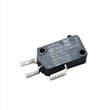
- Microwave will not start or stops when the door moves: switch W10211972
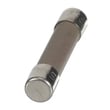
- Microwave goes dead intermittently: fuse mda 20a W11188752
Why it matters
A combo unit shares cabinet space and cooling paths; when airflow is blocked or a door seal leaks heat, internal temperatures rise and electronics age faster. Catching early symptoms (slow preheat, weak microwave heating, intermittent power) prevents bigger failures.
Last updated: January 2026
What is the spec of the KOEC530PSS00?
The KitchenAid KOEC530PSS00 is a 30-inch built-in electric wall oven and microwave combo; it’s commonly described with a 5.0 cu. ft. oven capacity, a 1,600W microwave, and features such as Air Fry mode and CrispWave technology (specs vary by configuration and trim).
Key specs customers look for
Here are the most-requested specifications for KOEC530PSS00-STYLE wall oven/microwave combos:
- Size class: 30-inch built-in combination unit
- Oven capacity: about 5.0 cu. ft.
- Microwave power: about 1,600 watts
- Cooking features: Air Fry mode, convection-style crisping features
- Finish options: typically stainless (and other door/trim variants)
What “specs” can mean (quick guide)
Different shoppers mean different things by “specs.” Use this table to match what you need:
| Spec type | What it tells you | Why you might need it |
|---|---|---|
| Capacity and power | Oven cu. ft. and microwave wattage | Cooking performance and speed |
| Cutout and overall dimensions | Cabinet opening and unit size | Fit and installation planning |
| Electrical requirements | Voltage, amperage, breaker size | Safe wiring and code compliance |
| Features | Air Fry, convection/crisping modes | Cooking results and convenience |
Why it matters
For a built-in combo unit like KOEC530PSS00, the most important “spec” is usually fit (cutout dimensions and electrical requirements). Getting those right prevents installation delays and helps avoid returns.
Related parts that support performance
If you are troubleshooting performance while checking specs, these model-matched parts are commonly involved:
- Range bake element W11545804 (if the oven won’t heat or heats unevenly)
- Range high-limit thermostat WP4449751 (if the oven overheats or shuts down)
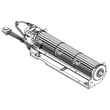
- Assembly, cooling fan W11344874 (if the unit runs hot or shows cooling-related issues)
For electrical testing during troubleshooting, we use the same approach shown in how to use a multimeter to test electrical parts video.
Last updated: January 2026
Does KitchenAid make good wall ovens?
Yes. KitchenAid wall ovens are a solid choice for most kitchens because they typically deliver even baking, strong feature sets (like convection), and a premium fit and finish. For a KitchenAid electric oven/microwave combo like model KOEC530PSS00, long-term satisfaction usually comes down to correct installation, ventilation, and keeping key heating and cooling parts in good shape.
What “good” means for wall ovens
A “good” wall oven consistently holds temperature, cooks evenly, and stays reliable over years of heat cycles.
Common strengths many owners look for:
- Even baking and roasting, especially with convection modes
- Smooth controls and predictable cooking results
- Quality racks, door feel, and interior finish
- Good serviceability when parts eventually wear
What to watch for (and what to do about it)
Some complaints across wall ovens in general involve preheat time or temperature accuracy. These checks help you separate normal behavior from a repair issue:
- Verify temperature: Use an oven thermometer and compare at setpoints like 350°F.
- Allow full preheat: Wait for the preheat signal, then give it a few extra minutes for the cavity to stabilize.
- Check airflow: Blocked vents can cause heat buildup and uneven performance.
- Inspect heating performance: A weak lower element can cause slow preheat and poor baking.
- Listen for cooling fan operation: A failing fan can lead to overheating and shutdowns.
Parts that commonly affect performance
If your KOEC530PSS00 is slow to preheat, bakes unevenly, or shuts down from heat, these parts are often involved:
| Symptom | Common part area | Example part for this model |
|---|---|---|
| Slow preheat, underbaking | Bake heat source | Range bake element W11545804 |
| Overheating, thermal trips | Temperature safety control | Range high-limit thermostat WP4449751 |
| Hot control area, fan noise | Cooling airflow | Assembly, cooling fan W11344874 |
Why it matters
Wall ovens are built to run hot for long periods; stable temperature control and proper cooling protect the control board, wiring, and door components. Keeping the heating and cooling system healthy helps your KitchenAid oven cook more evenly and last longer.
Last updated: January 2026