



What oil is recommended for a Kohler engine?
For the Kohler PH-XT675-3043 lawn and garden engine, we recommend using a high-quality detergent engine oil with viscosity matched to temperature: 5W-20 or 5W-30 for cold weather (below 30°F) and 10W-30 for warmer weather (above 30°F). Many owners use 5W-30 synthetic year-round for easier cold starts and solid hot-weather protection.
Quick oil selection by temperature
- Below 30°F: 5W-20 or 5W-30
- Above 30°F: 10W-30
- Wide temperature swings: 5W-30 synthetic works well across seasons
- Always use a small-engine rated, detergent oil
- Check oil level before each use and keep it at the full mark
Why the viscosity number matters
The first number with the “W” (winter) describes how the oil flows when cold. A lower number (5W) flows faster at startup, which reduces wear during cold starts. The second number (20, 30) reflects thickness at operating temperature.
| If your engine is used in... | Recommended viscosity | What you gain |
|---|---|---|
| Cold mornings, late fall, early spring | 5W-20 or 5W-30 | Faster oil flow at startup |
| Consistently warm conditions | 10W-30 | Strong film strength when hot |
| Mixed seasons | 5W-30 synthetic | One oil for most conditions |
When oil choice becomes a “no-start” or “runs rough” issue
Oil that is too thick for the temperature can make the engine crank slower and start harder. If you are also chasing a tune-up or performance issue, it often helps to service common maintenance items at the same time, such as the lawn & garden equipment engine spark plug 14-132-11-S and air intake components.
Why it matters
Correct oil viscosity protects internal engine parts (crankshaft, camshaft, bearings) during startup and under load. Using the right oil for your climate helps the PH-XT675-3043 start easier, run cooler, and last longer.
Last updated: February 2026
What spark plug does the Kohler PH-XT675-3043 series use?
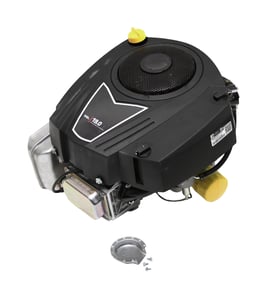
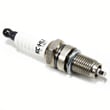
The Kohler PH-XT675-3043 lawn and garden engine uses the spark plug listed for this model on our parts list: spark plug 14-132-11-S. Using the correct plug helps maintain easy starting, smooth running, and proper ignition performance.
How to confirm you have the right spark plug
Match the plug to your engine’s exact model and spec information, then compare it to the part listing.
- Verify the engine model is PH-XT675-3043 on the engine ID label
- Use the model-specific parts list to avoid look-alike plugs
- Replace the plug if the electrode is worn, fouled, or the porcelain is cracked
- Check the plug wire boot for a tight fit and no corrosion
- If the engine still misfires after replacement, inspect the air filter and fuel system next
Recommended replacement part:
Basic replacement tips (safe, common practice)
- Let the engine cool completely.
- Pull the spark plug boot straight off (do not yank the wire).
- Remove the plug with a spark plug socket.
- Install the new plug by hand first to prevent cross-threading, then snug it.
Quick checks after installation
| What you notice | What it usually means | What to do next |
|---|---|---|
| Hard starting | Worn plug, stale fuel, dirty air filter | Replace plug, refresh fuel, check intake |
| Misfire under load | Plug fouling, ignition issue | Replace plug, then inspect ignition module |
| Black, sooty plug | Rich mixture or restricted air | Check air filter cover and carburetor |
Why it matters
A correct, clean spark plug is the foundation of reliable ignition. On small Kohler engines like the PH-XT675-3043, a marginal plug can show up as surging, misfiring, or repeated no-start complaints.
Last updated: February 2026
How much horsepower does a Kohler PH-XT675-3043 have?
Kohler PH-XT675-3043 engines are commonly identified and compared by their XT675-class rating (often shown as gross torque and displacement) rather than a single published horsepower number. For a true HP figure, use the engine’s rated RPM and torque from the engine label, then calculate horsepower.
What you will usually see instead of horsepower
Most walk-behind mower engines in the XT675 class are labeled by torque and cc because horsepower changes with RPM and test method.
- Gross torque (ft-lb) is the most common marketing spec
- Displacement (cc) helps compare engine size
- Rated speed (often 3,600 RPM on mower engines) is needed for HP math
- The exact spec is tied to the engine’s full model and spec code on the shroud
How to calculate horsepower from the label
If your engine label lists torque and rated RPM, you can convert it to horsepower:
| What you have | Formula | Example (use your label values) |
|---|---|---|
| Torque (ft-lb) and RPM | HP = (Torque × RPM) / 5252 | (Torque × RPM) / 5252 |
Steps:
- Find the engine’s torque value and rated RPM on the shroud label
- Plug those numbers into the formula above
- Use the result to compare engines for repower or performance matching
If your “horsepower” feels low, check these parts first
Power loss is usually tune-up related, not a change in the engine’s rated output.
- Fouled or worn spark plug: lawn & garden equipment engine spark plug 14-132-11-S
- Air intake restriction (cover, filter fit, debris): lawn & garden equipment engine air filter cover 14-096-119-S
- Surging or lean running from carburetor issues: lawn & garden equipment engine carburetor rebuild kit 14-853-49-S
Why it matters
Matching the correct power spec prevents underpowered mowing and helps you avoid fitment problems. In real mowing, clean airflow, strong ignition, and steady fuel delivery often restore performance more than chasing a single advertised HP number.
Last updated: February 2026