Installation guide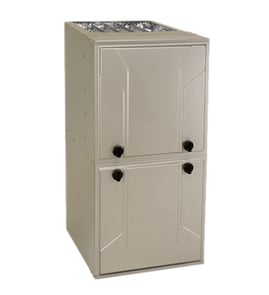




What is the most expensive part to fix on a furnace?
On a Goodman GMT115-5B gas furnace, the most expensive repair is typically a heat exchanger replacement because the part is costly and the job is labor-intensive. Other high-cost repairs often involve major motors or the ignition control board, depending on what failed.
- Heat exchanger (primary or secondary): usually the highest total cost
- Blower or inducer motor assembly: high part cost plus diagnostic and setup time
- Ignition control board: expensive electronics and troubleshooting time
- Gas valve or manifold-related repairs: can be costly when combined with testing and adjustments
These are some of the higher-priced components commonly replaced on this model:
| Component type | Example part on this model | Why it gets expensive |
|---|---|---|
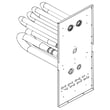
| Primary heat exchanger | Furnace primary heat exchanger, 24.5-in 4821404S | Major sealed combustion component; significant labor |
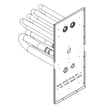
| Secondary heat exchanger | Furnace secondary heat exchanger 2864605S | Complex access; often paired with additional service |
| Ignition control board | Furnace hot-surface ignition control board B1809913S | High-cost electronics; requires correct wiring/setup |
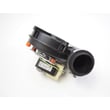
| Inducer/vent motor | Furnace inducer vent motor assembly 0131M00002PSP | Motor assembly cost; venting and pressure checks |
- Labor time: heat exchanger and motor jobs take longer than sensor swaps
- Safety testing: combustion, venting, and pressure checks add time
- Related parts: gaskets, switches, or wiring repairs may be needed
- Access and condition: corrosion, tight installs, or damaged fasteners increase time
The heat exchanger is central to safe, efficient heating. When it fails, the repair is expensive because the component is critical and the work involves careful disassembly and reassembly of the furnace’s combustion section.
- Confirm the failure with proper diagnostics (not guesswork)
- Compare the part cost plus labor to the furnace’s age and condition
- Use the installation guide for model-specific access panels, venting, and setup details
Last updated: February 2026
What is the most common part to fail on a furnace?
The most common “failure” on a Goodman gas furnace like model GMT115-5B is actually restricted airflow from a dirty air filter, which overheats the furnace and trips a safety limit shutdown. For true part failures, igniters, flame sensors, and pressure switches are among the most frequent.
- Air filter (maintenance item): Furnace starts, then shuts off quickly; weak airflow.
- Ignition system (igniter or control): No flame, repeated clicking/tries to light.
- Flame sensing (flame sensor): Lights briefly, then shuts down after a few seconds.
- Draft proving (pressure switch): Inducer runs but burners never light.
- Safety limits (limit or roll-out switch): Furnace shuts down to prevent overheating.
If your troubleshooting points to a component, these are common suspects for this model:
- Igniter B1401018S
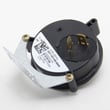
- Furnace air pressure switch B1370176
- Furnace temperature limit switch B1370198
- Furnace burner roll-out limit switch B1370145
- Furnace hot-surface ignition control board B1809913S
Turn off power to the furnace before inspecting anything.
- Replace the air filter and make sure supply registers are open
- Confirm the thermostat is calling for heat (mode, setpoint, batteries)
- Check the furnace door is fully seated (many units have a door safety switch)
- Look for a blocked intake/exhaust or a clogged condensate drain (if applicable)
- Inspect wiring connections for looseness or heat damage
| What you observe | Most likely area | Example part on this model |
|---|---|---|
| Inducer runs, no ignition | Draft proving | B1370176 pressure switch |
| Ignition attempt fails | Ignition | B1401018S igniter |
| Flame starts then drops | Flame sensing | Clean flame sensor (common fix) |
| Short cycling, very hot cabinet | Airflow/overheat | B1370198 limit switch |
| Random lockouts/no sequence | Controls | B1809913S control board |
Airflow problems can mimic bad parts and repeatedly trip safety controls. Fixing the filter and airflow first prevents nuisance shutdowns and helps you avoid replacing good components.
For model-specific setup and safety details, use the installation guide.
Last updated: February 2026
What are the most common furnace repairs?
For a Goodman GMT115-5B gas furnace, the most common repairs involve airflow problems (dirty filter or blower issues), ignition failures (igniter or control board), and safety shutdowns caused by switches or flame-sensing problems. We use the installation guide to confirm the correct service access and setup details for your unit.
- Restricted airflow: weak heat, overheating shutdowns, noisy blower, short cycling.
- Ignition problems: furnace tries to start but never lights, or lights then shuts off.
- Draft/venting problems: inducer runs but burners do not stay on, pressure switch errors.
- Limit or roll-out switch trips: burners shut down quickly, repeated lockouts.
- Electrical/wiring issues: intermittent operation, no response to thermostat call.
If troubleshooting points to a failed component, these are common repair parts for this model:
- Furnace burner igniter B1401018S
- Furnace hot-surface ignition control board B1809913S
- Furnace air pressure switch B1370176
- Furnace temperature limit switch B1370198
- Furnace burner roll-out limit switch B1370145
| Symptom | Most likely area | Common related part on this model |
|---|---|---|
| No ignition (no glow) | Ignition | Igniter (B1401018S) |
| No ignition sequence or erratic starts | Controls | Control board (B1809913S) |
| Inducer runs, burners will not light | Draft proving | Pressure switch (B1370176) |
| Furnace overheats and shuts off | Airflow or limit circuit | Limit switch (B1370198) |
| Burners shut down quickly after lighting | Safety circuit | Roll-out switch (B1370145) |
These repairs are common because they protect comfort and safety. Airflow and venting problems can cause overheating and repeated shutdowns, while ignition and control issues prevent reliable heat. Addressing the root cause also helps prevent repeat failures.
Last updated: February 2026
How much does it cost to replace a blower motor in a Goodman furnace?
For a Goodman GMT115-5B gas furnace, a blower motor replacement is typically $450 to $1,200 installed (part plus labor). Your total is set by the exact motor style used in your unit, whether the blower wheel is reused, and local service rates.
Most service quotes include the motor, installation labor, and a post-repair checkout.
- Motor price: commonly $150 to $600+ depending on OEM vs. aftermarket availability and motor type
- Labor: commonly $200 to $600 based on access, diagnostics time, and setup
- Related items: capacitor, wiring repair, or blower wheel cleaning if needed
- System checks: temperature rise, static pressure, and safety control verification
| Repair scope | What gets replaced | Typical installed cost |
|---|---|---|
| Motor only | Motor swapped, existing wheel reused | $450 to $900 |
| Motor + wheel | Motor plus wheel due to damage or imbalance | $650 to $1,100 |
| Motor + electrical diagnosis | Motor plus control or wiring issue addressed | $800 to $1,200 |
On the GMT115-5B, “no airflow” complaints are sometimes caused by parts other than the indoor blower motor. These are commonly checked during diagnosis:
- Motor 0131M00002PSP (listed as “Motor”; often confused with the indoor blower motor)
- Blower fan wheel D6723306S (a bent or clogged wheel can overload a motor)
- Furnace hot-surface ignition control board B1809913S (can affect blower operation depending on the fault)
- Furnace temperature limit switch B1370198 (frequent trips often point to airflow problems)
A failing blower motor reduces airflow, can trigger limit switch trips, and can make the furnace short cycle. Pricing the correct repair scope (motor only vs. motor plus wheel or controls) prevents repeat service calls.
- Identify the symptom: no airflow, weak airflow, or noise/vibration.
- Replace the air filter and clear supply and return vents.
- Use the wiring and safety steps in the installation guide when testing power and controls.
Last updated: February 2026