Owner’s manual
 Error Codes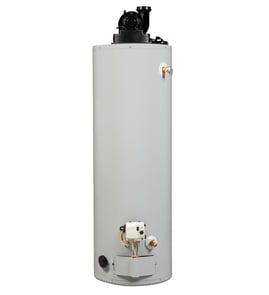





What is the average lifespan of a gas water heater?
Most residential gas water heaters last 8 to 12 years. For your American FG1F4034T3PV gas water heater, regular maintenance (especially flushing and anode-rod checks) helps you reach the high end of that range; see the FG1F4034T3PV owner's manual for the recommended service intervals.
Typical lifespan (what to expect)
In normal household use, these are the common life-expectancy ranges:
- Gas tank water heater: 8 to 12 years
- Electric tank water heater: 10 to 15 years
- Hard water or softened water: often shortens tank life (more corrosion and sediment)
What affects lifespan the most
A tank usually fails from internal corrosion or heavy sediment buildup. These factors matter most:
- Water quality: hard water increases scale; softened water can be more corrosive to the tank
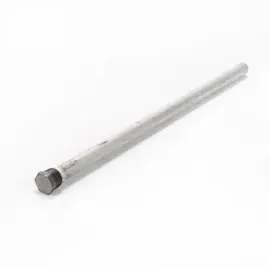
- Anode rod condition: a depleted anode speeds up tank corrosion
- Sediment level: reduces efficiency and can overheat the tank bottom
- Temperature setting: higher settings increase stress on the tank and components
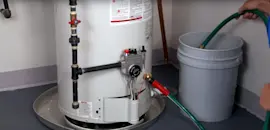
- Maintenance consistency: periodic draining and flushing slows sediment accumulation
Maintenance schedule we recommend
The manual guidance for this style of gas water heater includes inspecting the anode rod about every 3 years and replacing it when it is more than 50% depleted.
| Maintenance item | Typical interval | What it helps prevent |
|---|---|---|
| Inspect anode rod | Every 3 years | Tank corrosion, odor issues |
| Flush/drain some water | Periodically | Sediment buildup, rumbling |
| Check T&P relief valve operation | Periodically | Overpressure risk |
If you are planning proactive maintenance, the model-specific parts commonly used include the water heater anode rod 100109594 and the t&p valve 100108279.
Why it matters
Once a tank starts leaking, replacement is usually the practical fix. Keeping the anode rod healthy and sediment under control helps protect the tank itself, which is the most expensive part of the water heater.
Last updated: February 2026
What is the average labor cost to install a 50 gallon gas water heater?
For a 50-gallon gas water heater installation, average labor commonly runs $600 to $2,500. The wide range comes from gas piping changes, venting work, code-required safety upgrades, and how much rework is needed to fit the new heater into the existing setup.
What drives labor cost up or down
Labor pricing changes most based on the amount of gas and vent work required and whether the installer must bring the setup up to current code.
- Gas line work: resizing or rerouting the gas supply line, adding a shutoff, or correcting pressure issues
- Venting: modifying the vent connector, replacing a draft hood, or correcting vent slope and clearances
- Combustion air and ventilation: adding air openings or ducting if the space is tight
- Water piping changes: new shutoffs, dielectric unions, or reworking hot and cold lines
- Drain pan and drain routing: adding a pan and piping to protect the home from leaks
- Haul-away and access: stairs, tight closets, or attic installs typically cost more
Typical labor scenarios (quick comparison)
| Install scenario | What usually changes | Typical labor range |
|---|---|---|
| Like-for-like swap | Minimal piping and vent changes | $600 to $1,200 |
| Moderate rework | Some gas, vent, or water line changes | $1,200 to $1,900 |
| Heavy rework | Significant venting, gas line, or code upgrades | $1,900 to $2,500 |
Model-specific notes for American FG1F4034T3PV
Your American FG1F4034T3PV is a Category I, non-direct vented gas water heater that uses combustion air from the installation area (or ducted air). Installers typically focus on correct venting, combustion air supply, and gas supply sizing during installation; those items are common cost drivers. For the exact installation requirements and checklist, use the owner's manual.
Why it matters
Gas water heater installation is not just setting the tank in place; correct gas supply, venting, and combustion air help the heater run safely and prevent nuisance shutdowns, poor performance, and premature part wear.
Last updated: February 2026
What is the most common problem with gas water heaters?
The most common gas water heater problem is the burner or pilot not staying lit, which leads to little or no hot water. On the American FG1F4034T3PV, this is often tied to ignition or safety shutoff conditions, plus maintenance issues like sediment buildup and corrosion.
Most common issues we see (and what they look like)
- Pilot will not light or won’t stay lit: no hot water, repeated relighting attempts
- Gas control or safety shutdown: burner will not run, unit may need a reset or service
- Sediment buildup in the tank: popping or rumbling sounds, reduced hot water output
- Anode rod depletion: “rotten egg” odor, faster tank corrosion over time
- Drafting or venting problems: soot, poor combustion, or nuisance shutdowns
Quick checks you can do safely
Before any checks, follow the lighting and safety steps in the owner's manual.
- Smell around the heater (especially near the floor for LP gas) before lighting
- Look through the viewport to confirm whether the pilot flame is present
- Confirm the temperature dial is set to a normal starting point (many owners use 120°F)
- If the heater has been unused for 2 weeks or more, run hot water at a faucet for several minutes before using appliances (reduces hydrogen gas risk)
- If the heater ever overheats or the gas does not shut off, turn off the manual gas control valve and use a qualified technician
Parts that commonly solve “no pilot” complaints
If your pilot will not light or keeps going out, these model-matched parts are common fixes:
| Symptom | Likely area | Example part for FG1F4034T3PV |
|---|---|---|
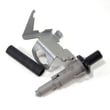
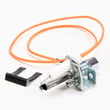
| Pilot won’t light | Ignition/pilot | Water heater pilot and igniter assembly 100093810 |
| Pilot lights but is unreliable | Pilot/igniter | Water heater pilot igniter 100110927 |
| Clicking/ignition issue | Igniter mount | Water heater piezo igniter bracket 100093718 |
Why it matters
A weak pilot, poor draft, or a safety shutdown can stop heating completely. Maintenance issues like sediment and a depleted anode rod can shorten tank life and create odor complaints, even when the burner still runs.
Last updated: February 2026
Why do plumbers not recommend tankless water heaters?
Many plumbers steer customers away from tankless water heaters because real-world performance and installation demands can be a poor fit for some homes: limited hot-water flow during simultaneous use, higher upfront cost, and more complex venting, gas supply, and maintenance compared with a standard tank water heater like the American FG1F4034T3PV. See the FG1F4034T3PV owner's manual for safe operation details and system considerations.
Common reasons plumbers push back on tankless
- Flow-rate limits: A tankless unit can struggle when multiple showers, laundry, and a dishwasher run at once.
- Higher install complexity: Gas line sizing, venting, and combustion air requirements are often more involved.
- Upfront cost: Equipment plus labor is typically higher than a tank-style replacement.
- Maintenance sensitivity: Scale buildup can reduce performance; periodic descaling is commonly needed.
- Cold-climate performance: Very cold incoming water can reduce delivered flow at a comfortable temperature.
How this compares to a tank-style gas water heater
A tank heater stores hot water, so it usually handles short periods of high demand better, even though it can run out if the tank is depleted.
| Feature | Tankless water heater | Tank-style gas water heater (like FG1F4034T3PV) |
|---|---|---|
| Hot water delivery | On-demand, limited by GPM | Stored hot water, better for peak bursts |
| Installation | Often more complex | Often simpler swap in existing setup |
| Maintenance | Descaling is common | Flushing sediment is common |
| Failure impact | No heat means no hot water | Some hot water may remain in tank |
Why it matters (choosing the right system)
The “best” choice depends on your household’s peak hot-water demand and your home’s existing gas and venting setup. For example, if you frequently run two showers plus appliances at the same time, flow-rate limits can feel like a downgrade even if the unit is efficient.
If you are troubleshooting a tank-style heater instead
Some complaints that get blamed on the heater are actually normal operating conditions. For example, the manual notes that condensation can cause sizzling or popping sounds during startup or heavy hot-water use, and sediment can increase noise and shorten tank life. Routine draining and flushing helps.
- If you see dripping at the discharge pipe, inspect the t&p valve 100108279.
- If the pilot will not stay lit, ignition parts such as the water heater pilot and igniter assembly 100093810 are common service items.
- If you are draining the tank for maintenance, a leaking or clogged drain valve 100109106 can cause problems.
Last updated: February 2026
Is it cheaper to repair or replace a water heater?
For an American FG1F4034T3PV gas water heater, it’s cheaper to repair when the problem is isolated to a serviceable part and the tank is sound; replacement makes more sense when the tank is leaking, badly corroded, or the unit has been submerged or flood-damaged.
Quick decision checklist
- Replace now if the tank is leaking from the body of the heater or shows heavy rust at seams.
- Replace now if any gas controls, main burner, or pilot were submerged; the manual calls for replacing the entire water heater after flood conditions.
- Repair if the issue is a single component such as a leaking valve or ignition problem.
- Repair if the heater otherwise heats normally and the failure is recent and repeatable.
- Repair if you can restore safe operation without bypassing safety devices.
Common repairs that are usually cost-effective
These are typical “repair-first” items on this model when the tank itself is still in good shape:
- Leaking temperature and pressure relief valve: t&p valve 100108279
- Drain valve dripping or won’t close: drain valve 100109106
- Pilot will not light or won’t stay lit: water heater pilot and igniter assembly 100093810 or water heater pilot igniter 100110927
Repair vs replace: practical comparison
| Situation | Usually cheaper | Why |
|---|---|---|
| Valve leak (T&P or drain) | Repair | Parts are straightforward and do not involve the tank. |
| Pilot/ignition failure | Repair | Often limited to the pilot/igniter components. |
| Tank leak or severe internal corrosion | Replace | The tank is not a serviceable part. |
| Submerged controls/burner/pilot | Replace | Safety-critical gas components are compromised. |
Why it matters (safety and long-term cost)
A water heater can be made “hot” again with parts, but the goal is safe, reliable hot water. The manual also notes that an anode rod protects the tank from corrosion and should be inspected about every 3 years; staying on top of that maintenance can delay tank failure and keep repairs worthwhile. For model-specific operating and safety guidance, use the owner's manual.
Last updated: February 2026