Owner’s manual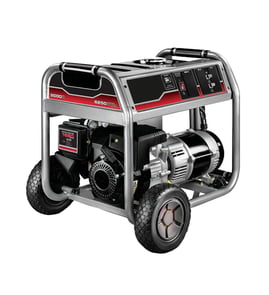

What type of oil goes in a Briggs & Stratton generator?
For the Briggs 01893 portable generator, we use a detergent engine oil matched to outdoor temperature; SAE 10W-30 is the best all-around choice for most conditions, with SAE 30 for warm weather and synthetic 5W-30 for cold starts. Confirm the exact recommendation in the 01893 owner's manual.
Recommended oil by temperature
Use this as a practical guide for most Briggs and small-engine portable generators:
| Outdoor temperature | Oil type to use | Best for |
|---|---|---|
| Above 40°F (5°C) | SAE 30 | Hot-weather running, steady temps |
| 0°F to 100°F (-18°C to 38°C) | SAE 10W-30 | Most climates, easiest year-round option |
| Below 40°F (5°C) and frequent cold starts | SAE 5W-30 synthetic | Faster lubrication on startup, broad temp range |
How to avoid low-oil shutdowns
This model can shut down during operation when oil is low, so oil level checks matter as much as oil type.
- Place the generator on a level surface before checking or filling oil
- Check oil before each use and during long run times
- Fill the crankcase to the proper level (do not overfill)
- If the generator shuts down, check oil level first, then restart
- Keep loads reasonable; overloading can make the engine labor and run hotter
What to use for topping off vs. oil changes
- Topping off: Use the same viscosity already in the engine whenever possible
- Oil change: Choose viscosity based on the temperatures you expect before the next change
- Mixing viscosities: Avoid mixing different weights unless it is an emergency; change oil soon after
Why it matters
Correct oil viscosity protects the engine during startup and under load. Too-thick oil in cold weather slows lubrication; too-thin oil in high heat can reduce protection, increasing wear and the chance of low-oil shutdown.
Last updated: February 2026
Are Briggs and Stratton generators any good?
Yes. Briggs & Stratton generators are a solid, dependable choice for most homeowners and jobsite users when they’re sized correctly and maintained on schedule. For the Briggs 01893 portable generator, following the maintenance and operating guidance in the owner's manual is what most directly determines long-term reliability.
What “good” looks like in real use
A good portable generator consistently starts, carries the intended load without bogging down, and runs smoothly without frequent shutdowns.
Common signs you’re set up for success:
- You keep the unit on a level surface and maintain proper oil level.
- You avoid overloading (a top cause of “lacks power” complaints).
- You use clean, fresh fuel and store it correctly.
- You inspect wiring and connections before each season.
- You address small issues early (loose fasteners, worn gaskets, damaged wires).
Reliability depends on maintenance and load management
Your Briggs 01893 can shut down during operation if fuel runs out or if the oil level is low; it can also feel weak if the electrical load is too high. Those are normal protection and operating conditions, not automatic signs of a “bad” generator.
Quick troubleshooting snapshot
| Symptom | Most common cause | What to do first |
|---|---|---|
| Won’t keep running | Out of fuel | Refill tank, then restart |
| Shuts down | Low oil or not level | Level the unit, fill to proper oil level |
| Lacks power | Overloaded | Reduce load, then add devices back one at a time |
Parts that often matter when performance drops
If you’re chasing rough running, exhaust noise, or electrical gremlins, these are common areas to inspect on portable generators:
- Exhaust sealing (leaks can affect noise and performance): Briggs & statton lawn & garden equipment engine exhaust gasket 695398
- Damaged or loose conductors/connectors: wire 14353621GS
- Loose mounting hardware and vibration-related issues: craftsman screw 66849AGS
Why it matters
Portable generators are simple machines, but they’re sensitive to oil level, fuel quality, and load. Keeping those three things right prevents most “starting problems,” nuisance shutdowns, and low-output complaints.
Last updated: February 2026
What is the 20/20/20 rule for generators?
For the Briggs 01893 portable generator, the 20/20/20 rule is a simple safety routine: run the generator at least 20 feet from your home, let it cool for 20 minutes before refueling, and use a carbon monoxide alarm (often around $20) to help detect dangerous CO indoors. Review the full safety section in the owner's manual.
How to apply the 20/20/20 rule safely
- 20 feet away: Place the generator outdoors, well away from doors, windows, and vents.
- 20 minutes cool-down: Shut it off and wait before adding fuel; hot engine and muffler parts can ignite vapors.
- $20 CO alarm: Use a battery-operated carbon monoxide alarm in the home and test it.
- Let the engine stabilize: Start the generator and let it stabilize before connecting loads.
- Avoid overloads: Connect loads gradually and do not exceed rated output.
What the 01893 manual adds (important)
The 01893 manual emphasizes several related safety points:
| Safety topic | What to do | Why it matters |
|---|---|---|
| Hot surfaces | Do not touch hot surfaces; let equipment cool before touching | Prevents burns and reduces fire risk during refueling/handling |
| Fuel handling | Store fuel and fuel-containing equipment away from ignition sources | Reduces risk of fire from fuel vapors |
| Electrical connection | Building connections must be made by a qualified electrician using approved transfer equipment | Prevents backfeed that can injure others and damage equipment |
| Ventilation/clearance | Keep cooling air openings unobstructed; allow clearance around the unit | Prevents overheating and improves reliability |
Why it matters
Portable generators create two major hazards during outages: carbon monoxide exposure and fire from hot components and fuel vapors. The 20/20/20 rule reduces both risks while supporting safer, more reliable operation for a 6,000-watt class portable generator like the Briggs 01893.
Last updated: February 2026