 Owner’s manual



Are all low profile microwaves 18 inches deep?
No. Low-profile microwaves are not all exactly 18 inches deep; many are close to 18 inches, but depth varies by brand and model. For your KitchenAid KMBT5011KSS01 built-in microwave, use the dimension specs in the KMBT5011KSS01 owner's manual to confirm the exact cabinet depth you need.
Typical depth ranges you will see
Most low-profile and built-in microwave designs fall into a few common depth buckets:
- About 15 to 18 inches deep: very common for low-profile designs
- About 12 to 14 inches deep: less common, used when cabinet depth is tight
- 18 inches or more: seen on some built-in or trim-kit installations depending on venting and frame design
How to measure depth the right way
Depth can be reported differently depending on whether trim, door, or handle is included. We recommend checking these measurements before you buy or install:
- Cabinet cutout depth (what the opening must provide)
- Overall depth (front to back at the deepest point)
- Door-open clearance (space needed in front so the door can swing)
- Rear clearance (space for airflow and power cord routing)
What “18 inches deep” usually means
When people say a low-profile microwave is “18 inches deep,” they are usually referring to one of these:
| Measurement type | What it includes | Why it matters |
|---|---|---|
| Cutout depth | Cabinet opening only | Determines if it physically fits in the cabinet |
| Overall depth | Chassis plus front trim/door | Affects how far it sticks out |
| Installed depth | Unit plus trim kit frame | Impacts flush look and screw alignment |
Why it matters
Depth affects more than appearance. If the microwave is too deep for the cutout, you can pinch the power cord, restrict cooling airflow, or end up with a trim kit that will not seat correctly.
Ordering parts for fit and installation
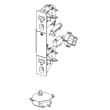
If you are installing or re-installing this model, having the correct mounting and trim components helps the unit sit properly in the cabinet. Common fit-related parts for this model include the mounting rail, slim W11494294 and trim kit options.
You can order replacement parts for your KMBT5011KSS01 from the parts list for this model, or search by model number on Sears PartsDirect.
Last updated: February 2026
What are the most common issues with KMBT5011KSS01?
The most common issues we see with the KitchenAid KMBT5011KSS01 built-in microwave are no power, runs but does not heat, turntable not rotating, door problems (won’t latch or won’t open), and intermittent operation. Many of these symptoms trace to a fuse, door interlock system, or high-voltage components.
Common symptoms and what they usually point to
- Dead display or no response: blown line fuse, loose power connection, or door switch issue
- Runs but no heat: high-voltage diode, high-voltage transformer circuit, or thermostat opening
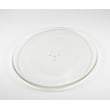
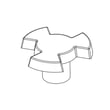
- Turntable not turning: turntable drive issue or the turntable itself not seated correctly
- Door won’t open: door eject motor problem or binding in the latch mechanism
- Random shutoff: overheating condition, airflow restriction, or a thermostat cycling
Parts that commonly relate to these problems
Use your symptom to narrow the likely part, then confirm with the wiring diagram and checks in the KMBT5011KSS01 owner’s manual.
| Symptom | Common part to check | Example part on this model |
|---|---|---|
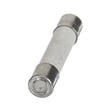
| No power | Line fuse | Microwave fuse W11707984 |
| Runs, no heat | High-voltage diode | Microwave high-voltage diode W11256462 |
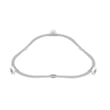
| Turntable not rotating | Turntable drive components | Driver, turntable W11452278 |
| Door won’t open | Door eject motor | Motor, door eject W11545873 |
Quick checks we recommend before replacing parts
- Verify the outlet has power (try a small appliance)
- Fully close the door; a misaligned door can prevent operation
- Inspect the turntable and roller area for debris and proper seating
- If the unit is completely dead, check the fuse and fuse holder for heat damage
- For heating complaints, stop using the microwave and plan a qualified service check (high voltage hazard)
Why it matters
Microwaves use high voltage to heat; a “runs but won’t heat” complaint is often a high-voltage circuit issue, while “no power” is often a fuse or interlock issue. Correct diagnosis prevents repeat failures and protects the control.
Last updated: March 2026
What size breaker do I need for a microwave oven combo?
For the KitchenAid built-in microwave model KMBT5011KSS01, we use a dedicated 120 V, 60 Hz circuit protected by a 15-amp or 20-amp fuse or circuit breaker (time-delay recommended). If you have a true microwave-oven combo unit on a 240 V supply, breaker size depends on the combo’s kW rating.
Breaker sizing: microwave-only vs combo
A built-in microwave like KMBT5011KSS01 typically plugs into a standard 3-prong grounded outlet on a 120 V circuit. A microwave-oven combo (microwave plus wall oven in one chassis) often uses 240 V and needs a larger dedicated breaker.
- KMBT5011KSS01 (microwave-only): 120 V on a 15 A or 20 A dedicated circuit
- Combo units (often 240 V): breaker is sized by the appliance’s kW rating on the rating plate
- Use a time-delay fuse/breaker when specified
- Avoid extension cords; install the outlet in the cabinet if needed
Quick reference table (common combo guidance)
Use this as a fast check when you confirm the combo unit’s electrical rating label.
| Appliance type | Supply | Typical dedicated breaker |
|---|---|---|
| Built-in microwave (KMBT5011KSS01) | 120 V | 15 A or 20 A |
| Microwave-oven combo, up to 4.8 kW @ 240 V | 240 V | 30 A |
| Microwave-oven combo, 7.3 to 9.6 kW @ 240 V | 240 V | 40 A |
How we recommend you confirm the right breaker
Because “microwave oven combo” can mean different products, we size the breaker from the exact electrical rating.
- Check the rating plate (often inside the door frame or on the chassis) for volts and watts/kW
- Confirm whether the unit is 120 V (microwave-only) or 240 V (combo/wall-oven style)
- Verify the installation requirements in the owner's manual
- If your breaker trips repeatedly, inspect the house circuit and the microwave’s internal protection parts (for example, a blown microwave fuse W11707984 can indicate an underlying issue)
Why it matters
Correct breaker sizing prevents nuisance trips, overheating wiring, and repeated fuse failures. A dedicated circuit also helps the microwave maintain stable power for the control board, door interlocks, and high-voltage system.
If you need replacement parts for KMBT5011KSS01, order from the parts list for this model or search by model number on Sears PartsDirect.
Last updated: February 2026


