 Owner’s manual
 Error Codes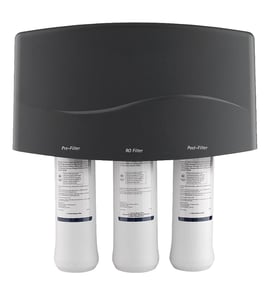




How much do plumbers charge to install a reverse osmosis system?
Plumbers typically charge $200 to $500 to install an under-sink reverse osmosis system like the Kenmore 625385720, with total labor sometimes running $100 to $1,500+ when the job involves extra drilling, difficult access, or plumbing modifications. Use the Kenmore 625385720 owner's manual to confirm the exact installation steps and parts needed.
What changes the installation price
Common factors that raise or lower the quote include:
- Faucet hole work (drilling stainless steel or stone countertops)
- Drain connection complexity (tight cabinet space, unusual drain layouts)
- Water pressure and supply condition (system needs roughly 40 to 100 psi supply pressure)
- Remote mounting (long tubing runs to a basement or adjacent cabinet)
- Replacing worn fittings/tubing during install
- Local labor rates and minimum service call charges
Typical cost ranges (labor only)
These are common labor ranges customers see for RO installs.
| Installation type | Typical labor range | What it usually includes |
|---|---|---|
| Basic under-sink RO install | $200 to $500 | Mounting system, connecting cold water, drain, faucet, startup/purge |
| Under-sink install with drilling/modifications | $400 to $1,500+ | New faucet hole, rerouting plumbing, difficult access |
| Whole-home or point-of-entry RO | $1,000 to $2,000+ | Larger system, more plumbing work, longer install time |
What we recommend before you schedule a plumber
Doing these checks first helps you get an accurate quote and avoid return trips.
- Confirm you have a cold water supply location under the sink (do not install on hot water)
- Verify incoming water temperature is roughly 40°F to 100°F
- Check that your home water pressure is within the RO system’s operating range
- Plan where the storage tank will sit and how the tubing will route
- Ask the plumber if the quote includes sanitizing, pressure testing, and purging after installation
Why it matters
A reverse osmosis drinking water system depends on correct plumbing connections and proper startup (sanitizing and purging) to deliver good flow and water quality. A clear quote based on your cabinet layout and plumbing conditions prevents surprise labor charges.
Last updated: January 2026
Is it good for you to drink reverse osmosis water?
Yes. Reverse osmosis (RO) water from the Kenmore 625385720 reverse osmosis water system is a high-purity drinking water option because the system is designed to reduce total dissolved solids (TDS) and improve taste and odor; it is a solid everyday choice for drinking and cooking when your source water is already potable and properly disinfected (see the 625385720 owner's manual).
What RO water does (and does not do)
RO is a treatment process that uses household water pressure to push water through a semi-permeable membrane; clean water goes to the faucet or storage tank, and concentrated minerals and impurities go to the drain.
Important limits to know:
- Use RO only on a potable, disinfected water supply; it is not intended to make unsafe water safe.
- RO reduces TDS and many dissolved contaminants; it also reduces some naturally occurring minerals.
- Taste often improves because the system uses prefilter and postfilter cartridges to reduce sediment, chlorine, tastes, and odors.
- If your system does not have a performance monitor faucet, regular water testing helps confirm it is performing properly.
Health and mineral questions (practical guidance)
Most people do well drinking RO water. If you are concerned about minerals, the simplest approach is to get minerals from food (not water) and keep the RO system maintained so it performs as designed.
Common reasons people choose RO water
- Better taste and odor for drinking and cooking
- Reduced total dissolved solids (TDS)
- Consistent water quality from the dedicated RO faucet
- Less reliance on bottled water
Maintenance that affects water quality
Filter and membrane condition matters more than almost anything else. If water starts tasting “off,” flow slows, or the tank seems to fill poorly, check maintenance items first.
| Symptom | Most common cause | What to check next |
|---|---|---|
| Bad taste/odor | Postfilter is worn | Replace postfilter; sanitize system per manual |
| Slow production | Prefilter or membrane restricted | Check prefilter, membrane, and supply pressure |
| Excess waste water | Flow control issue | Inspect/replace the flow control 7265766 |
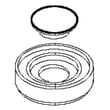
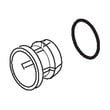
| Leaks at housings | O-ring dry/damaged | Inspect/replace the water filtration system filter o-ring 7223633 and lubricate with silicone grease |
Why it matters
RO water quality depends on correct installation, good supply water, and on-time filter and membrane replacement. Keeping the system in spec protects performance, helps the storage tank fill normally, and keeps drinking water tasting clean.
Last updated: January 2026
What is a major problem with reverse osmosis?
A major problem with reverse osmosis (RO) is water waste: the Kenmore 625385720 makes purified product water while also sending “reject” water to the drain to flush away dissolved solids. During tank refill, steady drain flow is normal.
What “water waste” means on model 625385720
RO uses a membrane to separate clean water from contaminants. The contaminants are carried away in reject water, routed through a flow restriction to the drain.
Common things you may notice:
- Water goes to the drain while the storage tank refills.
- Product water is made slowly (about 1 ounce per minute).
- Waste increases when pressure is low or filters and the membrane are overdue.
What reduces waste on this system
This Kenmore RO system uses an automatic shutoff valve that closes when the RO faucet is closed and the storage tank is full. That stops unnecessary drain flow once the tank reaches capacity.
Operating conditions that affect waste and performance
- Water pressure: 40 to 100 psi
- Feed water temperature: 40°F to 100°F (cold water only)
- Softened water is recommended for best performance
| Condition | What you see | What to do |
|---|---|---|
| Low pressure | More drain flow, slow tank fill | Correct supply pressure, fully open valve |
| High dissolved solids or scaling | Shorter membrane life | Use softened water, keep up with filter changes |
| Worn filters or membrane | Taste change, lower output | Replace pre and postfilters first, then membrane if needed |
Quick checks if drain flow seems excessive
- Confirm the cold water supply valve is fully open.
- Check for leaks at housings and push-in fittings.
- Replace clogged filters on schedule.
- If drain flow never stops when the tank is full, inspect the flow control 7265766.
Why it matters
Water waste is normal for RO, but excessive waste usually points to pressure, installation, or maintenance issues. Correcting the cause improves water quality, protects the membrane, and reduces unnecessary drain flow.
For operating limits and maintenance steps, use the Kenmore 625385720 owner’s manual.
Last updated: January 2026
Why am I thirsty after drinking reverse osmosis water?
Reverse osmosis water from Kenmore model 625385720 can leave you feeling thirsty because the RO membrane removes many dissolved minerals (total dissolved solids, or TDS) along with impurities; some people feel less “quenched” by very low-mineral water even when they drink enough.
What to do first
- Drink a full glass, then wait 10 to 15 minutes; thirst can lag behind intake.
- Add electrolytes through food (broth, fruit, yogurt) or an electrolyte drink, especially after sweating.
- If the water tastes flat or unusual, replace filters on schedule and purge the system after service.
- Use only a safe, potable water supply; RO is not designed to make unsafe water safe.
When it points to an RO system issue
A system problem usually shows up as taste changes, low output, or inconsistent flow, not thirst alone. Use the maintenance and “care of your RO system” steps in the 625385720 owner’s manual to confirm your filter-change and purging routine.
| Symptom at RO faucet | Most common cause | What to check |
|---|---|---|
| Low flow | Low tank pressure or restricted filters | Tank fill, filter age, tubing kinks |
| Odd taste/odor | Postfilter exhausted | Replace postfilter, then purge |
| Gurgling or air spurts | Air leak at seals or fittings | Canister O-ring, push-in fittings |
Parts that commonly affect performance
- Leaks or air entry after filter service: inspect the seal and replace the water filtration system filter o-ring 7223633 if it is nicked or flattened.
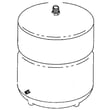
- Weak delivery or poor reserve volume: check the waterworks reverse osmosis system storage tank 7205326 for proper operation.
Why it matters
The 625385720 is designed to reduce minerals and impurities for clearer, better-tasting drinking water; pairing RO water with normal dietary electrolytes helps many people feel better hydrated.
Last updated: January 2026