Owner’s manual
 Error Codes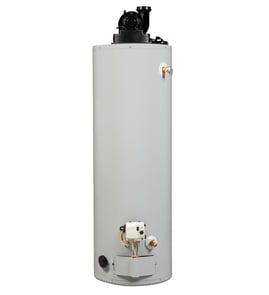




How do I read my water heater model number?
On Kenmore gas water heater model 153331544, the model number is printed on the model rating plate on the front of the tank. Use that exact model number (plus the serial number on the same label) when ordering parts or looking up service information in the 153331544 owner's manual.
Where to find the model number label
Look for a rectangular rating plate sticker on the front of the water heater tank. It typically includes both the model number and serial number.
- Check the front of the tank first (most common location)
- Look for wording like MODEL NO. and SERIAL NO.
- Write the model number exactly as shown: 153331544
- Take a clear photo of the label before ordering parts
- Keep the serial number too; it helps identify production details for service
What to pay attention to (and what to ignore)
The rating plate includes a lot of technical data. For parts lookup, the model number is the key.
| On the rating plate | Use it for parts lookup? | Why it matters |
|---|---|---|
| Model number (example: 153331544) | Yes | Matches the correct parts list |
| Serial number | Yes | Helps with service identification |
| Gas type (natural/LP) | Yes | Ensures burner and gas control compatibility |
| BTU input, pressures, standards | No (usually) | Helpful for installers, not typical parts searches |
Why it matters
Using the exact model number prevents ordering the wrong Kenmore water heater parts (burner components, igniter, dip tube, anode rod) that may look similar but fit differently.
Last updated: January 2026
How to tell year of water heater by serial number?
For a Kenmore gas water heater model 153331544, the year is determined by decoding the serial number on the rating plate (typically on the front of the tank). Use the format shown in your 153331544 owner's manual to match the serial number pattern to a manufacture date.
Where to find the serial number
Look for the model rating plate label on the water heater. It lists key identification details you will need for parts and service.
- Find the rating plate on the front of the tank
- Record the model number (153331544) and serial number
- Note the gas type (natural gas or propane) listed on the plate
- Take a clear photo of the label before you start any repair or parts lookup
How serial number date codes usually work
Kenmore water heaters can use different serial number formats depending on the manufacturer that built the unit. Most formats use a combination of numbers (and sometimes letters) that represent a year and a week or month.
Common examples you may see:
- YYWW: first 2 digits = year, next 2 digits = week (example: 1220 = week 20 of 2012)
- MMYY: first 2 digits = month, next 2 digits = year (example: 0915 = September 2015)
- Letter + numbers: a letter may represent the month, followed by a year code
Quick decode checklist (what to write down)
- The first 4 to 6 characters of the serial number
- Any letters in the serial number (they often matter)
- The full serial number (in case the date code is not at the beginning)
Why it matters
Knowing the manufacture year helps you choose compatible parts (like a burner tube, igniter, or anode rod) and decide whether maintenance such as anode inspection is due.
| What you need | Where it’s used | Why it helps |
|---|---|---|
| Model number (153331544) | Parts lookup | Ensures correct fit |
| Serial number | Age/date decode | Confirms manufacture date |
| Gas type | Burner/orifice selection | Prevents incorrect combustion |
Last updated: January 2026
What is the life expectancy of a Kenmore water heater?
A Kenmore gas water heater like model 153331544 typically lasts 8 to 12 years in normal residential use. Regular maintenance, especially checking the anode rod and flushing sediment, helps you reach the high end of that range; details are in the 153331544 owner's manual.
Typical lifespan and what affects it
Most tank-style gas water heaters wear out from internal tank corrosion and sediment buildup. These factors have the biggest impact:
- Water quality and conductivity (high conductivity can consume the anode rod faster)
- Maintenance frequency (anode inspections and periodic draining)
- Operating temperature (higher setpoints increase stress and scale)
- Installation conditions (proper combustion air and venting)
- Usage level (large households cycle the burner more often)
Maintenance that extends service life
The manual explains that replacing a depleted anode rod can extend the life of the water heater, and that the anode should be checked annually after the warranty period.
- Inspect the anode rod yearly after the warranty period
- Replace the anode rod when it is heavily pitted or depleted
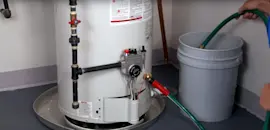
- Drain and flush the tank periodically to reduce sediment
- Keep combustion and ventilation air openings clear
- Shut down and drain the tank if the heater will sit in freezing temperatures
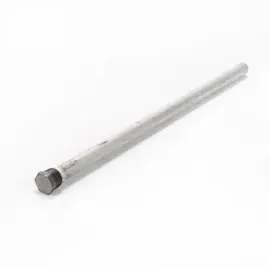
If you are planning an anode replacement, use the correct part for this model, such as the anode rod 100108660 (or the alternate anode rod 100300397 if that matches your configuration).
Life expectancy vs. warranty: quick comparison
| Item | What it tells you | What it does not tell you |
|---|---|---|
| Typical life expectancy (8 to 12 years) | Common real-world service life | Whether your tank will last a specific number of years |
| 12-year limited warranty (single-family home, proper install/operation) | Coverage terms for defects and tank leaks | A guarantee the heater will run trouble-free for 12 years |
Why it matters
Knowing the expected lifespan helps you decide whether to invest in repairs (like an igniter, burner parts, or an anode rod) or plan for replacement, especially if the tank is nearing the end of its typical service window.
Last updated: January 2026
What is the most common problem with a gas hot water heater?
The most common gas water heater problem is loss of heat because the pilot will not stay lit or the burner will not ignite. On Kenmore model 153331544, this often ties to pilot/ignition issues, burner airflow problems, or condensation that can extinguish the pilot; use the 153331544 owner's manual for the exact lighting and safety steps.
Most common causes (and what you typically notice)
- Pilot goes out: no hot water; you may need repeated relighting attempts.
- Dirty burner or restricted airflow: weak flame, delayed ignition, or soot.
- Condensation dripping onto the burner: “sizzling/frying” sounds; pilot outage during heavy hot-water use.
- Sediment buildup in the tank: rumbling or popping noises; reduced hot-water output.
- Temperature setting issues: water too hot or inconsistent; temperature can vary at the tap.
Quick checks you can do safely
Before any checks, turn the gas control to OFF and let the area air out if you suspect a gas smell.
- Confirm the thermostat dial is set to a normal range (many households start near 120°F).
- If the pilot will not stay lit, follow the relighting sequence in the manual exactly.
- Watch for signs of condensation: after a cold refill, moisture can appear and usually clears after 1 to 2 hours once the tank warms.
- If you see soot, deteriorated venting, or the draft is not pulling properly at the draft hood, stop using the heater and have the venting corrected.
Parts that commonly relate to “no hot water” symptoms
| Symptom | Common area to inspect | Example part for this model |
|---|---|---|
| Pilot will not light or stay lit | Ignition system | Water heater igniter 100109221 |
| Burner will not run steadily | Burner/burner tube | Water heater burner 100109206 |
| Poor combustion or flame issues | Burner assembly | Water heater burner assembly 100109281 |
Why it matters
Pilot and burner problems can stop heating completely, while condensation and sediment reduce efficiency and can create nuisance shutdowns. Keeping temperature set safely also reduces scald risk, especially for children and older adults.
Last updated: January 2026