

How to hard reset a KitchenAid microwave?
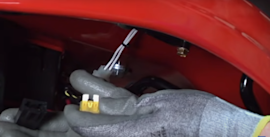
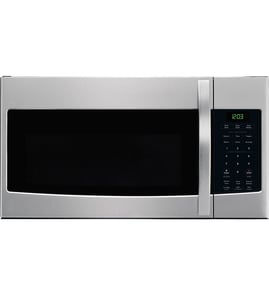
To hard reset your KitchenAid KMHS120ESS11 microwave/hood combo, unplug it (or switch the breaker off) for 2 to 5 minutes, then restore power and set the clock. This clears many control glitches and restores normal keypad response.
Hard reset steps (power cycle)
- Unplug the microwave from the outlet; if it’s hardwired, turn the kitchen breaker OFF.
- Wait 2 to 5 minutes (this lets the control board fully discharge).
- Restore power.
- Set the clock and test basic functions (light, fan, 30-second cook).
- If the display is blank or the unit is dead, stop and check the home outlet and breaker first.
If it still won’t respond after a reset
A reset won’t fix a failed electrical part. These are the most common next checks for a KMHS120ESS11:
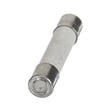
- No display or totally dead: a blown internal fuse is common; see microwave fuse W11707984.
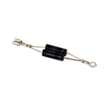
- Runs but does not heat: a high-voltage component may be at fault; see gaoxin-hvd c W11256462 (high-voltage diode).
- Stops when you close the door or won’t start: door interlock issues are common; inspect the latch and switches.
- Random beeping or keypad issues: moisture or a failing control can cause this; dry the panel area and retry.
Quick symptom guide
| What you see | What a hard reset can fix | What usually needs repair |
|---|---|---|
| Frozen display or keypad | Yes | Control panel or control board if it returns |
| “Dead” microwave | Sometimes (after a power surge) | Fuse, wiring, control board |
| Fan/light works but no heat | No | High-voltage diode, capacitor, magnetron circuit |
| Won’t start with door closed | No | Door switches, interlock assembly |
Why it matters
A hard reset is the safest first step because it rules out a temporary control lockup before you spend time testing parts. If the problem returns quickly, focusing on the fuse, door interlocks, or high-voltage circuit gets you to the real fix faster.
Last updated: January 2026
Are KitchenAid microwaves any good?
KitchenAid microwaves are a solid choice when you want premium styling and strong feature sets; for the KitchenAid KMHS120ESS11 microwave/hood combo, most owners value the built-in hood performance and convenience features, while the main tradeoffs are higher repair costs and occasional control or heating complaints.
What “good” usually means for a microwave/hood combo
KitchenAid over-the-range units like KMHS120ESS11 tend to score well on day-to-day usability and kitchen fit and finish.
Common strengths:
- Sleek design and good fit with KitchenAid suites
- Useful hood functions for everyday cooking ventilation
- Convenient presets and sensor-style cooking features (varies by model)
- Widely available replacement parts when something wears out
Common drawbacks:
- Higher part prices than basic brands
- Some models develop keypad or control issues over time
- Heating complaints are often tied to door-switch problems, power supply issues, or user settings
What to check before you buy (or before you repair)
These quick checks help you decide if the value matches your expectations.
- Vent type: recirculating vs. vented outside (performance feels very different)
- Noise tolerance: higher CFM usually means more fan noise
- Controls: look for responsive keys and consistent beeps
- Interior wear: peeling waveguide cover or heavy splatter can affect performance
- Parts availability: confirm common wear items are easy to get
Quick parts reality check for KMHS120ESS11
| What fails most often | What you notice | Example part for this model |
|---|---|---|
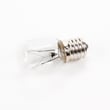
| Hood light bulb | Light out under the microwave | Microwave/hood light bulb 8206232A |
| Door interlock system | Won’t start, stops when door moves | Assembly, interlock (includes switches) W11197766 |
| Grease filter | Poor airflow, greasy buildup | Filter W10208631A |
Why it matters
A microwave/hood combo is two appliances in one. If the hood side is important in your kitchen, paying more for a better-looking, better-performing unit can be worth it; if you mainly reheat food, a simpler microwave plus a dedicated range hood can be a better long-term value.
Last updated: January 2026
How long is the warranty on a KitchenAid microwave?
KitchenAid microwaves are covered by a 1-year limited warranty from the date of purchase. For your KitchenAid model KMHS120ESS11 microwave/hood combo, that 1-year period is based on your receipt date; keep proof of purchase for any parts and labor coverage.
What the 1-year limited warranty covers
During the first year, KitchenAid’s limited warranty covers defects in materials or workmanship under normal household use. Coverage commonly includes:
- Factory-specified replacement parts
- Repair labor when service is performed by an authorized provider
- Failures tied to manufacturing defects
- Functional issues that occur with proper use and care
Common exclusions to plan for
Even within the 1-year period, these items are typically excluded or limited under major-appliance warranties:
- Cosmetic damage (scratches, dents, finish wear)
- Damage from improper installation, misuse, or accidents
- Maintenance items and consumables (such as bulbs and filters)
- Service calls to correct ventilation, electrical supply, or installation conditions
Quick reference: warranty vs. maintenance items
| Item on a microwave/hood combo | Usually treated as | Typical warranty expectation |
|---|---|---|
| Electronic control or heating failure | Defect-related repair | Covered in year 1 if defect-caused |
| Door latch or interlock issue | Safety/operation component | Covered in year 1 if defect-caused |
| Cooktop light bulb | Consumable | Usually not covered |
| Grease filter | Maintenance | Not covered |
Why it matters
Knowing the warranty length helps you decide whether to schedule service or replace a maintenance item yourself. For example, a burned-out cooktop bulb is usually a routine replacement like the microwave/hood light bulb 8206232A.
Last updated: January 2026