



What are the common problems with microwave ovens?
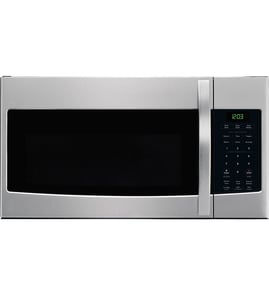
Common problems with the Amana YAMV2307PFS07 microwave/hood combo include not heating, a dead display or no power, a turntable that will not rotate, door switch issues, and sparking or arcing. Many symptoms trace back to the door interlock system, turntable drive parts, or high-voltage components.
Most common symptoms and what they usually mean
- Microwave runs but does not heat: often a high-voltage problem (magnetron, diode, capacitor, or transformer).
- No power or goes dead: commonly a blown fuse, loose power connection, or control issue.
- Turntable not rotating: typically a failed motor, worn driver/coupler, or a stuck roller/turntable.
- Starts then stops when the door moves: usually a door switch or interlock alignment problem.
- Sparking/arcing inside the cavity: often caused by metal, damaged waveguide cover, or food splatter buildup.
Parts on this model that commonly relate to these problems
If you are troubleshooting YAMV2307PFS07, these parts are frequently involved depending on the symptom:
| Symptom | Common suspect parts | Example part on this model |
|---|---|---|
| Not heating | High-voltage circuit | Microwave magnetron W10754299 |
| Not heating | High-voltage circuit | Diode W11256462 |
| Turntable not rotating | Turntable drive | Microwave turntable motor W10642989 |
| Door-related stopping or no-start | Door safety switches | Interlock WPW10156813 |
Quick checks we recommend before replacing parts
- Confirm the outlet has power; try a different small appliance on the same outlet.
- Make sure the door closes firmly and is not sagging; a misaligned door can prevent heating.
- Remove the glass tray and clean under it; debris can bind the turntable driver.
- If arcing occurred, stop using the microwave until the cause is corrected and the cavity is cleaned.
- If the unit runs but never heats, focus troubleshooting on the high-voltage system first.
Why it matters
A microwave can appear to “work” (light, fan, turntable) while still failing to heat because heating depends on the high-voltage circuit. Door interlock problems can also prevent safe operation and cause intermittent starting, so matching the symptom to the right system saves time and avoids unnecessary part swaps.
Last updated: February 2026
What brand of microwave is the most reliable?
No single microwave brand is “most reliable” for everyone; reliability depends on the style (countertop vs. over-the-range), how it’s installed, and how it’s used. For over-the-range units like the Amana YAMV2307PFS07, we see the best long-term results when customers choose a well-supported model and keep wear items maintained.
What to look for in a reliable microwave brand
When you compare brands, focus on serviceability and parts support as much as features.
- Strong parts availability for door switches, control boards, and turntable components
- Simple, proven door-latch and interlock design
- Good ventilation performance for over-the-range use (hood fan and filters)
- Clear error reporting and straightforward diagnostics
- Reasonable part prices for common failures (switches, lamps, grille)
Reliability factors that matter more than the logo
Even a “top” brand will feel unreliable if these basics are off.
- Power quality: Use a dedicated, properly grounded outlet; avoid loose receptacles.
- Door habits: Don’t slam the door; interlock parts wear faster when the door is abused.
- Ventilation: Run the hood fan when cooking on the range to reduce heat and grease buildup.
- Cleaning: Keep the waveguide area and cavity clean to prevent arcing and burn marks.
- Turntable system: If the tray stops turning, address it early to avoid uneven heating.
Common reliability-related repairs (over-the-range microwaves)
These are some of the most frequent part categories we see for microwave/hood combos.
| Symptom | Often involved system | Example part for YAMV2307PFS07 |
|---|---|---|
| Runs but does not heat | High-voltage circuit | Microwave magnetron W10754299 |
| Dead, no display | Power input or internal protection | Microwave power cord W10708076 |
| Won’t start, door issues | Door interlock/switches | Interlock WPW10156813 |
| Turntable not rotating | Turntable drive | Microwave turntable motor W10642989 |
Why it matters
“Reliable” usually means you can prevent common failures and fix the unit quickly when something does wear out. Choosing a model with readily available parts (like switches, lamps, and turntable components) keeps downtime and repair cost under control.
For deeper troubleshooting on heating performance, use our why is my microwave not heating guide.
Last updated: February 2026
What shortens the life of a microwave?
Slamming the door, running it empty, blocking airflow, and letting grease build up are the biggest ways people shorten the life of an Amana microwave/hood combo like model YAMV2307PFS07. These habits stress the door interlock switches, overheat high-voltage components, and increase arcing and corrosion inside the cavity.
Habits that wear out a microwave fastest
- Slamming or yanking the door shut (stresses the interlock system)
- Running the microwave empty (can overheat the magnetron)
- Blocking the top/side vents or running the hood with clogged airflow
- Heating greasy foods uncovered (splatters lead to carbonized spots and arcing)
- Using metal, foil, twist ties, or non-microwave-safe containers
- Ignoring burn marks, peeling waveguide cover, or repeated sparking
What parts are most affected (and why)
| Habit or condition | What it damages | What you may notice |
|---|---|---|
| Door slams, misaligned door | Interlock switches and mounts | No start, stops when door moves, intermittent power |
| Poor ventilation, heavy use | Magnetron and high-voltage circuit | Runs but does not heat, loud hum, burning smell |
| Grease, food debris, arcing | Cavity surfaces and internal components | Sparking, scorch marks, uneven heating |
If the door is getting slammed or the unit will not start consistently, the interlock system is a common failure point; the interlock WPW10156813 and the assembly, lower interlock (includes switches) W11551761 are examples of model-matched parts that can be involved.
Why it matters
Most microwave failures trace back to heat and electrical stress. Keeping airflow clear and preventing arcing protects expensive components like the microwave magnetron W10754299 and reduces repeat breakdowns.
Practical ways to extend life
- Keep vents clear and do not store items on top of the unit
- Cover foods to reduce splatter and wipe the cavity regularly
- Stop using the microwave if you see repeated arcing; clean and remove the cause
- Close the door gently so the latch and switches stay aligned
- Use only microwave-safe cookware
For more troubleshooting steps when the unit runs but does not heat, use our guide: why is my microwave not heating.
Last updated: February 2026