Owner’s manual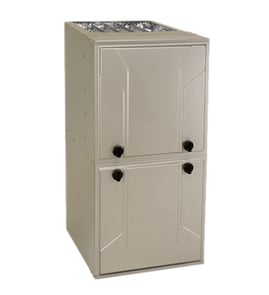

What are the main parts of a furnace?
The main parts of a Nordyne furnace like model M2RL-080A include the thermostat controls, burner and ignition components, heat exchanger, blower (circulating air) system, air filter/return air path, safety controls (like limit switches), and the venting and combustion-air connections that bring air in and send exhaust out.
Major furnace components and what they do
- Thermostat and low-voltage controls: call for heat and manage the heating cycle.
- Burner and ignition system: lights the fuel and maintains a stable flame.
- Heat exchanger: transfers heat to the air without mixing combustion gases into your home.
- Blower motor and blower wheel: pushes heated air through the ductwork.
- Return air opening and air filter: brings air back to the furnace; filtering helps keep the heat exchanger clean.
- Safety switches and sensors: shut the furnace down if unsafe conditions occur.
- Combustion air intake and exhaust vent: supply combustion air and route flue gases outdoors.
What the M2RL-080A manual calls out as “major components”
Your M2RL-080A owner's manual identifies key airflow and venting items as major components, including the combustion air intake, exhaust vent, and related brackets. It also explains that the furnace needs adequate combustion and ventilation air, and that it must be connected to an approved vent pipe for safe operation.
Quick reference: parts by system
| System | Main parts you will hear about most | What to watch for |
|---|---|---|
| Combustion | burners, ignition, gas valve | delayed ignition, flame issues |
| Heat transfer | heat exchanger | unusual odors, soot, poor heat |
| Air movement | blower motor, ducts, registers | weak airflow, noisy blower |
| Air supply | return opening, filter | dirty filter, restricted grilles |
| Venting | exhaust vent, combustion air intake | vent blockage, backdrafting |
| Safety | limit switch, controls | frequent shutdowns |
Why it matters
Knowing these main furnace parts helps you troubleshoot safely. For example, the manual stresses keeping return grilles and registers unrestricted, using an air filter to help protect the heat exchanger, and keeping the furnace area clear of combustibles.
Last updated: February 2026
What is the most common part to fail on a furnace?
The most common “failure point” on a furnace is the air filter becoming dirty or plugged, which restricts airflow and can trigger safety shutdowns. On the Nordyne M2RL-080A furnace, the manual specifically calls out checking a dirty or plugged filter when the furnace fails to operate; see the owner's manual.
Most common furnace issues we see (and what they affect)
Restricted airflow is the top repeat offender because it stresses the heat exchanger and trips safety controls. These are the most frequent culprits:
- Dirty air filter: reduces return airflow; can cause overheating and limit trips
- Blocked venting: can trip the vent safety switch if the vent becomes restricted
- Tripped breaker or blown fuse: removes power to the furnace disconnect/control
- Thermostat problems: incorrect settings, weak batteries, or wiring issues
- Safety switch open (door switch, rollout limit, vent safety): shuts burners down to prevent unsafe operation
Quick checks for a Nordyne M2RL-080A that often restore heat
Follow safe shutdown practices first (turn off electrical power and gas before service).
- Confirm thermostat is calling for heat.
- Make sure blower door(s) are fully in place.
- Check the furnace disconnect, breaker, and any fuses.
- Verify gas is turned on.
- Inspect and replace the return air filter if it is dirty or plugged.
- If the manual’s checks don’t identify the issue, the vent safety and rollout limit switches may have tripped; resetting them is a sign of a serious venting or combustion air problem that needs correction.
What “most common” means: part vs. condition
Many furnace “breakdowns” are caused by conditions (airflow or vent restriction) rather than a single failed component.
| What stops the furnace | Typical root cause | What you’ll notice |
|---|---|---|
| Safety shutdown | Dirty filter or restricted registers/returns | Furnace starts then stops, or won’t stay running |
| Vent safety trip | Blocked/restricted vent | Shutdown with venting concerns |
| No power | Breaker/fuse/disconnect issue | No response at all |
Why it matters
A clean filter and open return/register airflow help protect the heat exchanger and prevent nuisance shutdowns. The manual also warns not to defeat safety devices (for example, do not jumper a pressure switch) because those controls prevent unsafe operation.
Last updated: February 2026
What is the most expensive part to fix on a furnace?
On a Nordyne furnace like model M2RL-080A, the most expensive repair is typically a heat exchanger replacement because it is a major, labor-intensive component tied directly to safe combustion and venting. Other high-cost repairs often involve the blower motor assembly or the control board.
Typical high-cost furnace repairs (what usually tops the list)
These are the components that most often drive the highest total repair cost (parts plus labor):
- Heat exchanger: usually the costliest single repair
- Blower motor or blower assembly: can be expensive and time-consuming to access
- Furnace control board: electrical diagnosis plus part replacement
- Inducer motor (draft inducer): affects venting and safe operation
- Gas valve: requires careful setup and safety checks
Why the heat exchanger is usually the most expensive
The heat exchanger sits between the burner flames and the air your home circulates. If it fails, the furnace can no longer operate safely. Your Nordyne documentation emphasizes safe combustion and venting practices and warns about conditions that can allow toxic fumes to escape, which is why heat exchanger and venting-related issues are treated as high priority repairs. Review the safety and maintenance sections in the owner's manual.
Cost drivers at a glance
Actual pricing varies by region and furnace configuration, but the ranking below is consistent across most residential gas furnaces.
| Repair item | Why it gets expensive | Typical cost driver |
|---|---|---|
| Heat exchanger | Major disassembly, safety checks | Labor + high part cost |
| Blower motor/assembly | Access, wiring, setup | Part cost + labor |
| Control board | Diagnosis time, electrical work | Troubleshooting + part |
| Inducer motor | Venting performance verification | Part + labor |
| Gas valve | Safety-critical adjustment/testing | Skilled labor |
What we recommend before approving a major repair
Because big repairs often start with airflow, venting, or electrical issues, we recommend these checks first:
- Replace or clean the air filter monthly during heavy blower use (restricted airflow can stress components).
- Inspect the vent pipe and chimney for corrosion, cracks, or improper slope.
- Keep the furnace area clear of lint and combustible materials.
- Restore all doors and covers after service; do not run the furnace with panels removed.
- Turn off gas and electrical power before any inspection or maintenance.
Why it matters
A “most expensive part” question is really about risk and labor. Heat exchanger, venting, and gas-related repairs cost more because they require deeper disassembly and safety verification to keep combustion products out of the home.
Last updated: February 2026
What spare parts should I have for my furnace?
For a Nordyne M2RL-080A furnace, the most useful “spares” to keep on hand are the items that commonly stop heat quickly and are safe for a homeowner to replace, especially return air filters. For gas and ignition parts, we recommend keeping a plan and part numbers ready using the owner's manual rather than stocking random components.
Best spares to keep on hand
These are the parts and supplies that most often help you restore heat fast or prevent no-heat problems:
- Return air filters (same size and type as the current filter)
- Thermostat batteries (if your thermostat uses them)
- A few correct fuses (only if your furnace or control circuit uses a replaceable fuse)
- High-temperature foil tape for minor duct sealing (not for vent pipe repairs)
- A spare flame sensor cleaning pad (fine abrasive pad) for light cleaning during maintenance
Parts people ask about (and when they make sense)
Many “no heat” calls involve ignition or safety controls. These can be good to identify in advance, but they are not always good to stock unless you are comfortable diagnosing correctly.
| Part type | What it affects | Keep as a spare? |
|---|---|---|
| Ignitor (hot surface ignitor) | Furnace lights burners | Sometimes (common no-heat cause) |
| Flame sensor | Proves flame, prevents unsafe gas flow | Sometimes |
| Control board | Runs the ignition sequence and blower timing | Usually no (costly, must match exactly) |
| Gas valve | Controls gas flow | No (diagnosis and setup required) |
| Blower motor/capacitor (if used) | Airflow and overheating prevention | Sometimes (more common on older systems) |
What the manual for M2RL-080A says to prioritize
The manual emphasizes maintenance items that prevent breakdowns and unsafe operation:
- Use an air filter in the return air duct to keep the heat exchanger clean.
- Clean or replace filters monthly during periods of regular blower operation.
- Inspect the vent system at the start and end of each heating season; do not run the furnace if the vent is obstructed, cracked, or corroded.
- Keep the furnace area clear of combustibles, lint, and loose insulation.
Why it matters
A clogged filter or restricted airflow can cause overheating, limit heat output, and shorten blower motor life. Venting problems can allow combustion byproducts to spill into the home, so prevention and inspection matter as much as having spare parts.
Last updated: February 2026