Owner’s manual
 Error Codes




Why are gas water heaters being phased out?
Gas water heaters are being phased out in some areas because regulators want to reduce air pollution and greenhouse-gas emissions from burning natural gas in homes. For American BFG6250T403NO owners, the key takeaway is that local rules can affect when you can install, replace, or permit a gas unit; check the guidance in your owner's manual and follow local code requirements.
What “phased out” usually means
A phaseout typically targets new installations or new sales over time, not immediate removal of existing equipment.
Common approaches include:
- Restricting gas hookups in new construction
- Tightening emissions standards for new water heaters
- Requiring permits and specific venting or combustion-air rules
- Offering incentives to switch to electric heat pump water heaters
- Setting future dates when certain gas models can no longer be installed
What to do if you need to replace your BFG6250T403NO
If your current gas water heater fails, replacement options depend on local rules and your home setup.
| Situation | Typical path | What to plan for |
|---|---|---|
| Gas replacement still allowed | Replace with a comparable gas model | Venting, combustion air, gas line sizing, permit |
| Gas replacement restricted | Convert to electric (often heat pump) | Electrical capacity, space/clearances, condensate drain |
| You are unsure about compliance | Use a qualified technician | Correct venting and safe startup/shutdown |
Why it matters for safety and performance
Even when policy is the reason for a phaseout, safe operation still comes first. Your manual highlights critical safety topics such as flammable vapor risks, carbon monoxide hazards, and automatic safety shut-offs (including thermocouple-based flame sensing). Following the lighting and safety instructions helps prevent unsafe ignition and shutdown conditions.
Parts that commonly come up during service
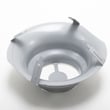
If you are troubleshooting ignition or pilot issues on this model, these parts are often involved:
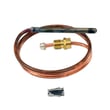
- Nat gas th 100108267 (thermocouple function and safety shut-off)
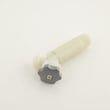
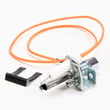
- Water heater pilot igniter 100110936 (pilot ignition component)
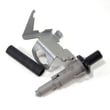
- Water heater piezo igniter bracket 100093718 (igniter mounting/support)
Last updated: February 2026
What is the average cost of replacing a gas hot water heater?
Replacing a gas water heater like the American BFG6250T403NO typically runs about $2,000 to $4,500 installed, with a broader real-world range of $1,200 to $6,000 depending on tank size, venting, gas-line work, and local labor rates. Use the owner's manual to confirm installation requirements that can affect labor.
What drives the price up or down
Common cost drivers for a standard tank-style gas water heater replacement include:
- Tank size and efficiency (larger and higher-efficiency units cost more)
- Venting changes (draft hood, vent connector, chimney liner, power vent conversions)
- Gas piping updates (pipe sizing, shutoff valve, sediment trap)
- Water piping changes (new shutoff, unions, expansion tank in closed systems)
- Code-required safety items (drain pan, seismic straps in some areas)
- Access and haul-away (tight closets, attic installs, stairs)
Typical cost breakdown (installed)
These are common planning numbers for a like-for-like replacement.
| Cost item | Typical range | Notes |
|---|---|---|
| Water heater (tank) | $600 to $2,500 | Brand, capacity, efficiency |
| Labor | $600 to $2,000 | Access, region, complexity |
| Materials and incidentals | $100 to $800 | Venting, valves, fittings, connectors |
| Upgrades or corrections | $0 to $2,000+ | Gas line sizing, venting, expansion tank |
Model-specific details that can affect installation cost
For the BFG6250T403NO, the manual highlights items that often change the scope of work:
- Gas supply sizing is based on the heater’s BTU input and total pipe length; undersized piping can require upgrades.
- Combustion air and ventilation requirements can add work in tight utility rooms.
- Water piping commonly uses 3/4-inch NPT hot and cold connections; adding unions can reduce future service labor.
- In a closed water system, an expansion tank or relief method may be needed.
Why it matters
A “cheap” replacement quote often assumes a simple swap. The biggest surprise costs usually come from venting and gas-line corrections, which are safety-critical on gas appliances.
Last updated: February 2026
What is the typical lifespan of a gas hot water heater?
A typical gas hot water heater lasts 8 to 12 years. For your American BFG6250T403NO gas water heater, regular maintenance (especially flushing and anode-rod inspections) helps you reach the high end of that range; check the service intervals in the BFG6250T403NO owner's manual.
Typical lifespan at a glance
| Water heater type | Typical lifespan | What usually ends its life |
|---|---|---|
| Gas tank water heater | 8 to 12 years | Tank corrosion, burner or gas control issues |
| Electric tank water heater | 10 to 15 years | Element or thermostat failures, tank corrosion |
What most affects lifespan on a gas tank water heater
- Water quality and corrosion (hard water, aggressive water, or softened water can accelerate tank wear)
- Anode rod condition (a depleted anode lets the tank corrode faster)
- Sediment buildup (reduces efficiency and can overheat the tank bottom)
- Ventilation and combustion air (poor air supply can cause burner problems)
- Leak history and flooding exposure (a flooded gas water heater requires full replacement)
Maintenance that extends service life
We recommend these habits for the BFG6250T403NO and most gas tank water heaters:
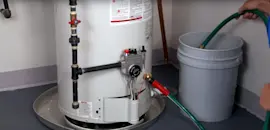
- Flush the tank periodically to reduce sediment
- Inspect the anode rod every 3 years and replace it if it is more than 50% depleted
- Watch for odor or discoloration; anode-related water odor is common and the rod should not be removed permanently
- Keep the burner area clean and the manifold door sealed properly after service
- Address pilot issues quickly; repeated pilot outages can point to ignition or thermocouple problems
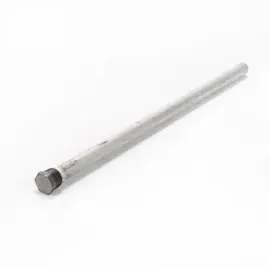
If you are due for an anode inspection or replacement, the model-specific part on this page is the anode rod 100108260.
Why it matters
Once a tank starts leaking from internal corrosion, repairs are not cost-effective. Staying on top of flushing and anode-rod service is the most reliable way to prevent early tank failure and keep hot water performance steady.
Last updated: February 2026
What brand of gas water heater is the most reliable?
For long-term reliability in a gas tank water heater, we look for proven burner and gas valve design, strong venting and safety engineering, and easy access to common service parts. American (including your American BFG6250T403NO) is a solid, widely used brand; A. O. Smith, Bradford White, and State are also commonly chosen for dependable performance.
What “most reliable” means for gas water heaters
Reliability is usually less about a single brand name and more about how the heater is installed, vented, and maintained over time.
Key reliability factors:
- Correct gas type and supply setup (shutoff valve, union, drip leg)
- Proper combustion air and venting (draft and ventilation)
- Stable pilot ignition and flame sensing
- Tank protection and routine maintenance (especially anode rod checks)
- Water quality and system pressure control
Brand comparison: what to prioritize
Use this as a practical checklist when comparing brands and model lines.
| What to compare | Why it matters | What to look for |
|---|---|---|
| Serviceability | Faster, cheaper repairs | Standard parts access, clear diagnostics |
| Venting design | Prevents nuisance shutdowns | Correct draft hood and venting path |
| Pilot/ignition system | Reduces “pilot won’t stay lit” issues | Robust igniter and thermocouple setup |
| Tank protection | Extends tank life | Replaceable anode rod, good lining |
How to make any brand last longer
Even the best brand fails early with poor installation or skipped maintenance. Follow the safety and installation requirements in the owner's manual.
We recommend:
- Verify the gas type matches the data plate before operation
- Keep the burner area clean and ensure combustion air openings stay clear
- Flush sediment periodically to reduce rumbling and overheating
- Inspect and replace the anode rod on schedule (it is a primary tank-protection part)
- Address pilot issues early; weak flame sensing can cause repeated shutdowns
Why it matters
A “reliable” gas water heater is one that lights consistently, vents safely, and maintains stable water temperature without frequent pilot outages. Installation details and maintenance habits typically have a bigger impact on lifespan and downtime than the logo on the tank.
Last updated: February 2026
What is the most common problem with gas water heaters?
The most common gas water heater problem is ignition failure: the pilot will not stay lit or the burner will not fire. On the American BFG6250T403NO, this is usually tied to the pilot/ignition system, a weak thermocouple signal, or safety shutdown conditions described in the owner's manual.
Most common symptoms and what they usually point to
- Pilot goes out repeatedly: dirty pilot, weak thermocouple, or a failing pilot/igniter assembly
- No hot water: pilot out, gas supply off, or thermostat set too low
- Water too hot or temperature swings: thermostat setting issues; short hot-water draws can cause “stacking” (hotter outlet water)
- Strange popping or rumbling: sediment buildup in the tank
- Rotten egg smell: anode rod reaction with water chemistry
- Gas smell: treat as an emergency; do not attempt to relight
Quick checks we recommend before replacing parts
- Verify the gas shutoff valve is fully open and other gas appliances work.
- Confirm the temperature dial is set to a normal starting point (typically 120°F).
- Look through the viewport while lighting to confirm the pilot flame is steady.
- If the unit has been unused for 2+ weeks, run hot water at a sink for several minutes before using any electrical appliance connected to hot water (hydrogen gas risk).
- If the heater has been under water or controls were submerged, the manual calls for replacement of the water heater.
Parts that commonly solve “pilot will not stay lit”
If your symptoms match ignition failure, these model-specific parts are the most common fixes:
- Nat gas th 100108267 (thermocouple)
- Water heater pilot igniter 100110936 (pilot/igniter)
- Water heater pilot igniter 100110927 (pilot/igniter)
Symptom-to-part guide
| Symptom | Most likely area | Common part to check |
|---|---|---|
| Pilot lights but won’t stay lit | Flame sensing | Thermocouple |
| No spark/click when lighting | Ignition | Piezo igniter/bracket or pilot/igniter |
| Pilot flame weak/yellow | Pilot or air intake | Pilot/igniter cleaning or replacement |
Why it matters
Ignition problems can stop hot water completely, and unsafe conditions (overheating, flammable vapors, gas leaks) require immediate shutdown. Following the lighting and shutdown steps in the manual helps prevent fire, explosion, and scalding risks.
Last updated: February 2026