- Kenmore refrigerator water filters
- Whirlpool refrigerator water filters
- Samsung refrigerator water filters
- GE refrigerator water filters
- LG refrigerator water filters
- Frigidaire refrigerator water filters
- KitchenAid refrigerator water filters
- Maytag refrigerator water filters
- Kenmore Elite refrigerator water filters
- Estate refrigerator water filters
- GE Profile refrigerator water filters
- Amana refrigerator water filters
- Bosch refrigerator water filters
- Dacor refrigerator water filters
- Electrolux refrigerator water filters
Top DIY repair help
View All Repair Categories
Appliances
Lawn & Garden
Power Tools
Home Improvement
Sports & Leisure
Heating & Cooling
Why your riding lawn mower overheats and how to cool it down
less than a minute readAug 13Kim Hillegass
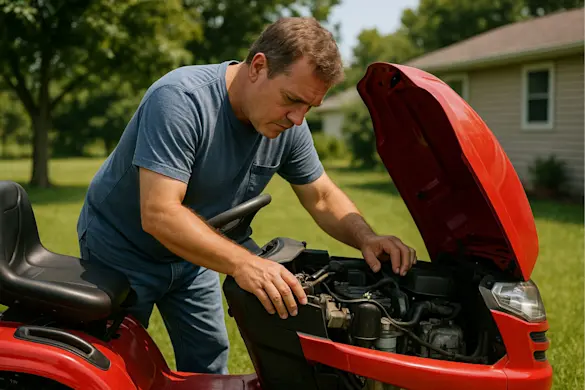
If your riding mower smells like hot metal, shuts off halfway through the yard, or seems to be running hotter than it should, it’s likely overheating. You might notice it sputtering, stalling, or refusing to restart until it cools down.
Overheating can happen when airflow is blocked, oil is low or dirty, or cooling components aren’t doing their job. Spotting the symptoms and making a few quick fixes can get your mower running smoothly and help you avoid long-term engine damage.
Most problems that cause overheating are easy to identify and fix yourself. All you need are a few simple tools, a little time, and some basic guidance.
What happens when your riding mower overheats?
When a riding mower starts overheating, it usually gives off some clear signs. The engine may feel unusually hot to the touch or shut down unexpectedly in the middle of mowing. You might also smell burning oil or plastic, an early warning that components are getting too hot. These symptoms all point to one thing: the cooling system isn’t keeping up.
Overheating can lead to serious damage. High heat can warp metal parts, crack seals, and wear down gaskets. Ignoring the issue can shorten your engine’s life and eventually leave you with a mower that’s more trouble than it’s worth.
Common causes of overheating (and what to check first)
Overheating doesn’t usually mean a major repair. In most cases, it’s caused by a handful of familiar issues like blocked airflow, low fluids, or a clogged filter. Start with these common trouble spots.
1. Dirty or clogged cooling fins
Grass clippings, dust, and debris can collect on the cooling fins around your engine, blocking the airflow that keeps temperatures in check. If airflow is restricted, the engine can quickly overheat.
To clean the fins, turn off the engine and let it cool. Then remove the engine cover and use a soft brush or compressed air to clear away debris. Be gentle; bent fins won’t cool effectively either.
2. Low or old engine oil
Engine oil provides lubrication and helps carry away heat. When the oil level is low or the oil is thick and dirty, your engine builds up friction and temperature.
Always check the oil before mowing. If it's dark or below the fill line, it's time to change the oil in your riding lawn mower.
3. Blocked or broken cooling fan
Many riding mower engines use a fan to draw air over the engine for cooling. If that fan is damaged or clogged with dirt or leaves, it can’t do its job.
Look for broken blades or a buildup of debris around the fan shroud. Clear any obstructions and replace the fan if it’s cracked or not spinning freely.
4. Faulty or dirty air filter
Your engine needs clean air to run efficiently. A clogged air filter restricts airflow, causing the engine to run rich and hot. It can also reduce power and make the engine work harder.
Remove the air filter and inspect it. If it’s dusty or coated in grime, replace the air filter or clean it if it's reusable.
5. Overworked engine
Sometimes the problem isn’t the mower; it’s how it’s being used. Cutting tall, thick grass too fast or mowing uphill can push the engine beyond its limit.
If the engine starts bogging down or getting hot during heavy mowing, slow your pace and raise the deck height. Giving your mower (and yourself) a break helps prevent overheating under strain.
Other causes to consider
Not every overheating issue comes down to airflow or fluids. Here are a few other things that could be driving up your engine temperature.
Fuel problems
Old or stale fuel doesn’t burn as cleanly and can cause the engine to run lean, which increases heat. If your gas has been sitting in the tank for a while, consider draining it and refilling with fresh fuel.
Damaged engine seals or gaskets
If you’re topping off the oil but it still runs low, you may have a leak. Cracked seals or gaskets can lead to slow oil loss, which in turn causes the engine to overheat. Look for signs like oil spots under the mower, a burning smell, or smoke near the engine.
Worn or loose belts
Belts that are slipping or misaligned can generate extra friction or block airflow around the engine. If they’re cracked, frayed, or look glazed, it’s time to replace them. Follow these step-by-step guides to replace the ground drive belt or swap out a worn blade drive belt, depending on which one is causing trouble.
Hot weather and harsh mowing conditions
Extreme outdoor temperatures can push your mower beyond its comfort zone, especially if it’s already straining to cut thick grass or running with a dirty filter. When it’s unusually hot outside, mow during cooler parts of the day and take breaks if the mower starts to struggle. It's also better for your lawn’s health.
How to prevent overheating in the future
Once your mower is back to normal operating temperature, a little upkeep can go a long way in preventing overheating from happening again. These maintenance steps help reduce strain, improve cooling, and extend the life of your engine.
Clean around the engine and cooling fins regularly to keep airflow moving freely.
Replace oil and air filters based on your service schedule.
Mow at the right time of day, especially in extreme summer heat.
Use the oil and fuel grade recommended for your specific engine.
Don’t skip seasonal maintenance. Routine DIY riding mower tune-ups keep everything running cooler and smoother.
Taking these steps helps prevent the kind of buildup, friction, and strain that cause overheating in the first place.
If you're dealing with other mower issues, visit our riding lawn mower repair help page for step-by-step DIY guides, troubleshooting tips, and expert repair advice.