- Kenmore refrigerator water filters
- Whirlpool refrigerator water filters
- Samsung refrigerator water filters
- GE refrigerator water filters
- LG refrigerator water filters
- Frigidaire refrigerator water filters
- KitchenAid refrigerator water filters
- Maytag refrigerator water filters
- Kenmore Elite refrigerator water filters
- Estate refrigerator water filters
- GE Profile refrigerator water filters
- Amana refrigerator water filters
- Bosch refrigerator water filters
- Dacor refrigerator water filters
- Electrolux refrigerator water filters
Top DIY repair help
View All Repair Categories
Appliances
Lawn & Garden
Power Tools
Home Improvement
Sports & Leisure
Heating & Cooling
Why your gas grill flame is low even with a full propane tank
less than a minute readAug 29Wayne Archer
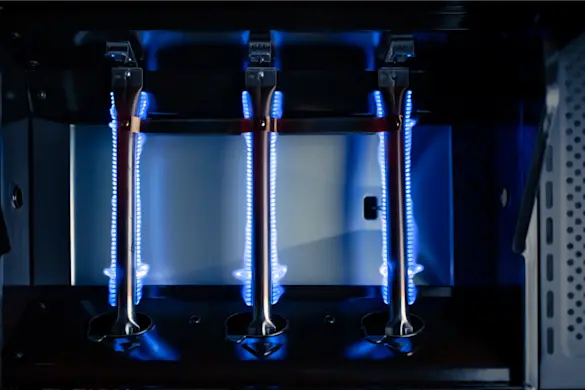
Few things stall a cookout faster than a grill that won’t deliver steady heat. You open the lid expecting a strong flame, only to find it weak and flickering, even with a full propane tank.
Low flames don’t always mean you’re out of gas. In many cases, the culprit is the regulator, burners, or simply a maintenance issue. These are problems that can crop up any time of year, whether you’re grilling for a quick weeknight dinner or firing things up for a holiday gathering like Labor Day.
Before you start troubleshooting, always turn off the gas supply and let the grill cool completely. Safety comes first whenever you’re working around propane.
Common causes of a low flame
Several parts of the grill can affect gas flow and ignition, causing a low flame. Sometimes it takes a little detective work to figure out what’s wrong.
Regulator safety lockout
Propane regulators include a built-in safety feature that limits gas flow if it senses a sudden surge, often triggered when you open the tank valve too quickly. When this happens, the burners only get a trickle of gas.
Symptoms: a weak, low flame across all burners, even on the highest setting.
Quick fix: turn off all burner knobs and close the propane tank valve. Disconnect the regulator, wait a minute, then reconnect it firmly. Open the tank valve slowly to reset the system.
Clogged burner ports
Grease, bits of food, and even rust can block the small holes along the burner tube. This restricts gas flow and leads to uneven flames.
Symptoms: patchy flames, weak flame on part of the burner, or yellow/orange flame instead of steady blue.
Fix: once the grill is cool, remove the grates and burner covers. Use a grill brush, toothpick, or thin wire to clear debris from the burner ports.
Blocked venturi tubes
Venturi tubes are the narrow metal tubes that connect the burner to the control valves. Spiders and insects often build webs inside, reducing or stopping gas flow.
Symptoms: burners that don’t light at all or flames that are weak despite a full tank.
Fix: turn off the gas and carefully detach the burner tubes. Shine a flashlight through and use a small bottle brush or pipe cleaner to clear obstructions.
Dirty or clogged regulator or hose
The regulator and hose carry propane from the tank to the burners. Over time, dirt, oil, or even insects can find their way inside.
Symptoms: flame remains weak after ruling out tank and burner issues.
Fix: inspect the hose for kinks, cracks, or debris. If the regulator appears clogged or damaged, replacement is usually easier and safer than trying to clean it.
Cold weather or overfilled tank
Propane changes from liquid to vapor as it warms, but in cold weather the process slows down. An overfilled tank can also reduce internal vapor pressure, restricting flow.
Symptoms: low flame during very cold temperatures or immediately after a fresh fill.
Fix: in cold weather, keep the tank in a shaded but not freezing spot before use. If the tank is overfilled, exchange it or have it properly serviced.
How to troubleshoot a low flame
When your grill isn’t producing enough heat, working through a quick checklist can help you narrow down the cause. Start with the simplest fixes and move toward component checks.
Check the propane level
Don’t assume the tank is full just because it feels heavy. Propane levels can be deceiving. Use a gauge, weigh the tank to check the propane level on an LP tank. A low or nearly empty tank can mimic other flame issues.
Reset the regulator
Turn off the grill and the propane tank valve completely. Wait a full minute, then reconnect and reopen the tank valve slowly. This resets the regulator’s safety mechanism, which can restrict gas flow if the valve was opened too quickly.
Examine the regulator and hose
Look for cracks, kinks, or debris buildup in the regulator and hose assembly. If the connections feel sticky or clogged, cleaning may help, but often replacement is the safest option if damage is visible.
Inspect burners and tubes
Remove the grates and burner covers. Clean clogged burner ports with a stiff brush or a small pin, making sure each hole is clear. While the burners are out, check the venturi tubes for blockages. Insects and debris can restrict gas flow inside these tubes.
Test with a second tank
If possible, connect a different propane tank. This rules out tank-specific issues such as an overfilled or faulty cylinder. If the grill works fine with the second tank, the original cylinder may need servicing or replacing.
When to replace parts
Even with regular cleaning and troubleshooting, some grill components wear out over time. Knowing when replacement is the better option helps you avoid repeated frustration with low flames.
Regulator not maintaining flow – If you’ve reset the regulator and tested with another tank but the flame remains weak, the regulator may no longer be working properly. If it no longer maintains proper flow, replace the regulator.
Burners rusted or uneven – Burners that are heavily corroded or still produce weak, uneven flames after cleaning usually need replacement.
Hose damage – Cracks, stiffness, or leaks in the gas hose are serious safety concerns. Always replace the hose if you spot these issues.
Kit replacements – Many regulators and hoses are sold as kits. Replacing them together ensures compatibility and saves you from chasing multiple parts.
Preventing low flame problems
A little routine care goes a long way in keeping your grill’s flame strong and steady.
Open the propane valve slowly – Give the regulator time to adjust each time you grill so it doesn’t trip into safety lockout mode.
Clean burners and venturi tubes at least once per season – Brushing away grease, rust, and cobwebs as a part of routine grill cleaning prevents clogs that restrict gas flow.
Store the grill and tank in a dry area – Moisture leads to rust, and pests are more likely to move in if the grill sits undisturbed outdoors.
Check connections before each grilling season – Look for leaks, cracks, or stiffness in hoses and replace any parts showing wear.
A weak flame doesn’t always mean your propane tank is empty. In most cases, the cause is maintenance-related or tied to the regulator. By opening the valve carefully, keeping burners clean, and inspecting connections regularly, you can avoid frustrating flame issues. With a little preventive care, your grill will deliver steady flames whether it’s a quick weeknight dinner, a weekend cookout, or a Labor Day feast.
If you need troubleshooting help, part replacement guides, or general usage tips, check out our gas grill repair help section.