- Kenmore refrigerator water filters
- Whirlpool refrigerator water filters
- Samsung refrigerator water filters
- GE refrigerator water filters
- LG refrigerator water filters
- Frigidaire refrigerator water filters
- KitchenAid refrigerator water filters
- Maytag refrigerator water filters
- Kenmore Elite refrigerator water filters
- Estate refrigerator water filters
- GE Profile refrigerator water filters
- Amana refrigerator water filters
- Bosch refrigerator water filters
- Dacor refrigerator water filters
- Electrolux refrigerator water filters
Top DIY repair help
View All Repair Categories
Appliances
Lawn & Garden
Power Tools
Home Improvement
Sports & Leisure
Heating & Cooling
What does a washer lid switch do? Signs it’s failing
less than a minute readSep 10Wayne Archer
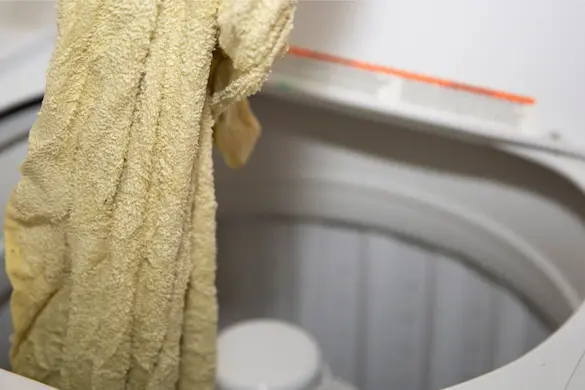
The washer lid switch doesn’t look like much, but don’t let that fool you. This small part is the gatekeeper of laundry day. Nothing spins or agitates until it gives the all-clear, protecting your hands (and the occasional stray sock) from harm.
When a washer refuses to start or stalls mid-cycle, the lid switch is often the first place to look. With so many moving parts involved, confirming whether this small switch is working can save you from chasing bigger, more expensive problems.
Knowing how the lid switch works, the signs it might be failing, and how to test it will help you keep laundry day running safely and smoothly, without sudden cycle surprises.
How does the lid switch work?
For such a small part, the lid switch pulls a lot of weight when it comes to safety and cycle control. Its main job is to detect whether the washer lid is open or closed, then send that signal to the control system.
Acts as a safety lock. Most washers won’t spin, and some won’t even agitate, unless the lid switch senses the lid is shut.
Keeps you safe. By cutting power to moving parts when the lid is open, the switch prevents flying socks, splashes of suds, or accidental contact with the spinning tub.
Pauses the cycle. On some models, lifting the lid mid-cycle doesn’t just stop the action, it puts the whole wash on pause until you close it again.
Keeps you out of the action. Think of it as the washer’s way of making sure no one gets too close to the action, like a referee blowing the whistle before play can start.
Signs your washer lid switch is failing
If the lid switch starts to give out, your washer often lets you know through a few clear symptoms. These signs can feel frustrating mid-laundry, but they’re actually helpful clues that point you straight to the problem.
Washer won’t start or stops mid-cycle
When the lid switch fails, power may not make it past the switch to the control system. That can leave the washer sitting silent at the beginning of a load, or shutting off in the middle of a cycle like it suddenly changed its mind.
Washer fills but won’t agitate or spin
In many washers, the tub won’t move unless the lid switch signals it’s safe. If your machine fills with water but then does nothing, the switch could be the culprit.
Clicking or looseness at the lid
A broken switch can sometimes be felt more than heard. If you notice the lid doesn’t “click” like it used to when closing, or the switch feels loose or wobbly, that’s a strong hint it’s failing physically, not just electrically.
Intermittent problems
One of the trickiest symptoms: sometimes the washer runs fine, other times it won’t budge. This stop-and-go behavior often means the lid switch is failing internally and only making contact part of the time.
How to test a washer lid switch
Testing the lid switch helps you confirm whether it’s working properly or if it’s the reason your washer won’t run. The process is straightforward, but you’ll want to take your time and follow each step carefully.
Step 1: Safety first
Unplug the washer before doing anything else. You’ll be handling wiring and electrical parts, so cutting the power keeps things safe.
Step 2: Locate the switch
Most lid switches sit just under the top panel along the lid frame or near one of the hinges. On top-loaders, you may see a small plastic lever or button that the lid presses down when closed.
Step 3: Inspect physically
Look for cracks, broken levers, or loose wires. If the switch feels wobbly or doesn’t click firmly when pressed, it may already be physically damaged.
Step 4: Use a multimeter
Remove the switch from its housing so you can access the terminals. Set your multimeter to continuity mode. With the lid down (or the lever pressed), the multimeter should show continuity (a closed circuit). With the lid up (lever released), it should read open (no continuity). Inconsistent or opposite readings confirm the switch has failed. For detailed instructions, see how to use a multimeter to test electrical parts.
When to replace the lid switch
You’ll know it’s time to replace the lid switch if it no longer passes basic checks or shows obvious physical damage. Common signs include:
It fails the continuity test. If the switch doesn’t register open and closed positions correctly, it can’t send the right signals to the control system.
The actuator arm or lever is broken. A cracked or missing piece means the switch can’t engage properly when the lid closes.
The washer only works when you slam the lid. This points to a worn or loose switch that’s no longer making reliable contact.
If your washer lid switch fails these checks, it’s time to swap it out. You can replace the lid switch yourself with the right part and a few basic tools.
Preventing lid switch problems
The lid switch isn’t a high-maintenance part, but a little care goes a long way toward keeping it reliable. A few simple habits can help extend its life and keep laundry day running smoothly.
Close the lid gently. Slamming the lid may feel satisfying, but it can wear out the switch and its actuator arm faster than normal.
Keep it clean. Wipe down around the lid frame so lint, detergent residue, or fabric softener buildup doesn’t interfere with the switch mechanism.
Check the wiring harness. Every so often, glance at the wires connected to the switch. If they look loose or worn, secure or replace them before they cause intermittent failures.
Without the small but mighty lid switch, your washer is about as useful as a bucket of water. If your laundry routine is interrupted by sudden cycle stops or a washer that won’t start, testing the switch is a good place to start. For more tips, troubleshooting advice, and part replacement instructions, visit our washer DIY repair help section.