- Kenmore refrigerator water filters
- Whirlpool refrigerator water filters
- Samsung refrigerator water filters
- GE refrigerator water filters
- LG refrigerator water filters
- Frigidaire refrigerator water filters
- KitchenAid refrigerator water filters
- Maytag refrigerator water filters
- Kenmore Elite refrigerator water filters
- Estate refrigerator water filters
- GE Profile refrigerator water filters
- Amana refrigerator water filters
- Bosch refrigerator water filters
- Dacor refrigerator water filters
- Electrolux refrigerator water filters
Top DIY repair help
View All Repair Categories
Appliances
Lawn & Garden
Power Tools
Home Improvement
Sports & Leisure
Heating & Cooling
What are the main parts of a gas leaf blower?
less than a minute readOct 24Lyle Weischwill
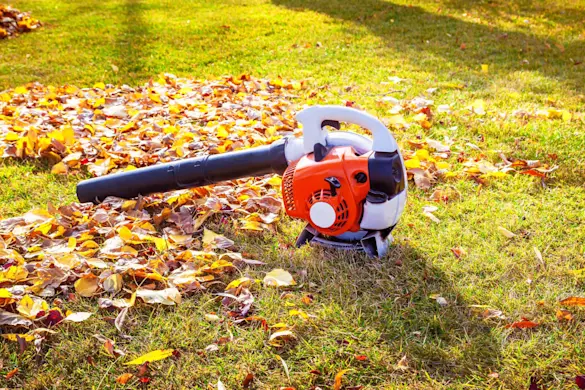
Gas leaf blowers use a small engine to power a high-speed fan that pushes air through a nozzle to clear leaves, grass clippings, and other yard debris. Whether you’re cleaning up after mowing or tackling fall leaf piles, the machine relies on several key systems working together to deliver power and control.
Knowing the main parts of a gas leaf blower helps with routine maintenance, spotting early signs of wear, and ordering the right replacements when something breaks or clogs. From the engine and air filter to the impeller and nozzle, each component plays a role in how well your blower performs.
Here’s a breakdown of the essential parts, grouped by engine, airflow system, controls, and external components, so you can keep your blower running efficiently season after season.
Engine and fuel system
The engine is the power center of a gas leaf blower, converting fuel into the force that spins the fan and pushes air through the tube. The surrounding fuel components (tank, lines and carburetor) work together to deliver the right air-fuel mix for steady performance. Keeping this system clean and leak-free ensures your blower starts easily and runs smoothly.
Engine (2-stroke vs. 4-stroke)
Most handheld gas blowers use a 2-stroke engine, which burns a mix of gasoline and oil. It’s lightweight, powerful, and simple to maintain but requires the right fuel mixture to avoid engine damage. Some backpack models use a 4-stroke engine, which runs on straight gasoline and has separate oil for lubrication; quieter, cleaner, and slightly heavier.
Fuel tank and lines
The fuel tank stores the gas or fuel mix that powers the blower. Over time, old fuel or ethanol-blended gasoline can cause clogs, while fuel lines may dry out or crack. Inspect them regularly for stiffness or leaks and replace if you notice brittleness, discoloration, or a strong fuel odor. Keeping fuel fresh and draining the tank before storage prevents most issues.
Carburetor
The carburetor mixes air and fuel in the correct ratio before sending it into the engine for combustion. When it’s dirty or gummed up, the blower may idle roughly, stall, or refuse to start. Cleaning can help, but if performance doesn’t improve, you may need to replace the carburetor. Regularly using fresh, stabilized fuel and running the blower dry before long storage periods helps keep the carburetor clean.
Ignition and air intake
Before fuel can burn, it needs two things: spark and oxygen. The ignition and air intake system ensures your blower gets both in the right amount at the right time. These parts are small but critical. When they’re dirty or worn, the blower may become hard to start, run rough, or lose power under load.
Spark plug
The spark plug ignites the compressed air-fuel mixture inside the engine. Over time, carbon deposits can build up on the electrode, or the gap can widen, leading to poor ignition or misfires. Symptoms of a failing plug include hard starts, sputtering, or inconsistent RPMs. Inspect and clean the plug every season; replace it if the tip looks burned, cracked, or fouled.
Air filter
The air filter keeps dust, dirt, and leaves from entering the engine through the intake. A clean filter maintains good airflow and helps protect internal engine components. Foam and paper filters are both common and easy to access; check them monthly during heavy use. If the filter looks clogged or damaged, it’s time for a replacement.
Starter and controls
Getting a gas leaf blower going and keeping it under control depends on several key components that manage fuel delivery and engine response. These parts make the difference between a smooth startup and a frustrating one, especially during colder weather.
Recoil starter
The recoil starter is the pull-cord mechanism that spins the engine fast enough to begin combustion. Inside the housing, a spring-loaded pulley and pawls engage the flywheel when you pull the cord. Over time, the rope can fray, the spring may weaken, or internal parts can jam. If the cord won’t retract or slips without resistance, the recoil assembly may need cleaning or repair.
Throttle and trigger
The throttle trigger controls how much fuel and air the engine receives, directly affecting engine speed and airflow. Pressing the trigger opens the throttle valve, letting more fuel-air mixture into the engine. If the blower hesitates when you accelerate or won’t maintain high speed, the cable might be stretched or sticking.
Choke and primer bulb
On many models, a choke and primer bulb help start the engine when it’s cold. The choke restricts airflow to enrich the fuel mixture, while the primer bulb pushes fuel into the carburetor for faster ignition. If the blower takes many pulls to start or runs rough at first, these components may not be working properly. Cracked primer bulbs or sticky choke levers are common issues.
If your blower still won’t start after checking these parts, take a look at what to do if your leaf blower won’t start.
Fan and impeller system
The real power behind a leaf blower isn’t just the engine, it’s how well the fan and impeller convert that engine power into high-velocity airflow. These parts are responsible for generating the force that moves leaves, so keeping them in good condition is essential for effective performance.
Fan housing and impeller
Inside the blower’s housing is a fan-like impeller, typically made of plastic or metal, attached to the engine’s crankshaft. As the engine runs, the impeller spins at high speed, pulling in outside air and forcing it out through the blower tube.
If the impeller blades are chipped, cracked, or blocked by debris, airflow drops significantly. You might notice weak blowing force or hear rattling noises during operation.
Keep it clean and clear
The fan housing needs to remain free of clogs to maintain proper airflow. Built-up leaves, twigs, or dirt can reduce efficiency and put strain on the motor. Regularly inspect and clean this area to prevent reduced air output or overheating.
Signs of impeller issues may include inconsistent airflow, vibration, or a drop in performance even when the engine runs smoothly.
Tubes and nozzles
Once the engine and impeller generate airflow, it’s the blower tube and nozzle that direct all that power where it needs to go. The shape and design of these external parts play a big role in how effectively you can clear different types of debris.
Blower tube
This long, usually detachable tube connects to the fan housing and funnels air from the blower toward the ground. Most models let you remove or adjust the tube for easier storage or to attach different nozzles.
A properly fitted tube helps focus airflow and improves efficiency. If it’s cracked, loose, or misaligned, you’ll lose blowing force.
Nozzle options
Different jobs call for different nozzle shapes:
Flat nozzles concentrate air into a wide, thin path; great for clearing wet leaves or sweeping along edges.
Round nozzles deliver higher volume with less force; ideal for moving larger piles across lawns or driveways.
Curved or angled nozzles are helpful for reaching under bushes, furniture, or into tight corners.
Optional attachments
Many blowers support leaf blower attachments like:
Gutter cleaning kits with curved extension tubes
Sweepers for broader coverage
Vacuum conversion kits to collect leaves instead of just moving them
These accessories can make your blower more versatile and save time on different cleanup tasks.
Keep your blower working longer
The parts of a gas leaf blower are only as good as the care they receive. Staying on top of regular maintenance helps prevent common issues and keeps the engine, fan, and airflow components working at peak performance.
Clean the air filter, spark plug, and cooling fins regularly to reduce wear and keep airflow strong.
Inspect fuel lines, the recoil starter, and nozzles for cracks, clogs, or visible damage before each season.
Empty the fuel tank before off-season storage, and keep the blower in a dry, well-ventilated space.
If you need to replace worn components, storing your model number in your Sears PartsDirect account makes it easy to find compatible leaf blower parts and access DIY leaf blower repair help any time.
Knowing how the main parts of your blower work, and how to care for them, can extend the life of your tool and make fall cleanup a breeze.