- Kenmore refrigerator water filters
- Whirlpool refrigerator water filters
- Samsung refrigerator water filters
- GE refrigerator water filters
- LG refrigerator water filters
- Frigidaire refrigerator water filters
- KitchenAid refrigerator water filters
- Maytag refrigerator water filters
- Kenmore Elite refrigerator water filters
- Estate refrigerator water filters
- GE Profile refrigerator water filters
- Amana refrigerator water filters
- Bosch refrigerator water filters
- Dacor refrigerator water filters
- Electrolux refrigerator water filters
Top DIY repair help
View All Repair Categories
Appliances
Lawn & Garden
Power Tools
Home Improvement
Sports & Leisure
Heating & Cooling
Frequently asked questions about snowblowers
less than a minute readNov 19Lyle Weischwill
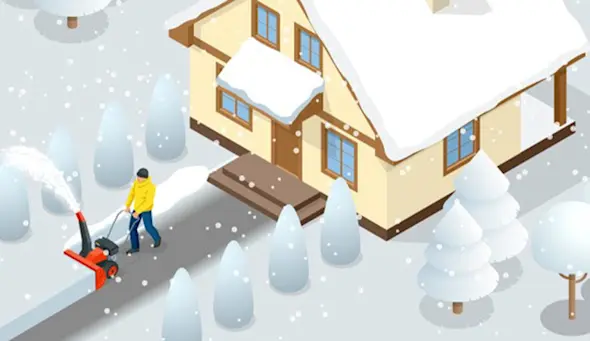
Snowblowers can develop similar problems from season to season, so many owners end up asking the same questions. These expert-approved answers cover the issues we see most often. For more troubleshooting guidance, start with the common snowblower symptoms page. When you’re ready to make a repair, enter your model number in the search bar to find the correct parts and the full diagram for your snowblower. You can also browse our snowblower parts and accessories to find what you need. No matter where you bought your snowblower, we can help you fix it yourself.
Troubleshooting common snowblower problems
Before you dig into part replacements, it helps to start with the basics. Many snowblower issues come from fuel quality, spark problems, or simple adjustments that are easy to diagnose and remedy at home. These answers can help you quickly narrow down what’s causing your snowblower trouble.
Why is my snowblower hard to start?
Water or dirt in the fuel system can make the engine difficult to start, and stale fuel is another common cause. Drain the fuel tank in a well-ventilated area and refill it with fresh gas.
If the snowblower has fresh gas and still struggles to start, a fouled or burnt spark plug could be the issue. Remove and replace the spark plug.
If the spark plug is getting spark and the engine still won’t start, you may need to clean and rebuild the carburetor to restore proper fuel flow.
Why won't my auger turn?
A broken shear pin is the most common reason the auger won’t turn. Shear pins are designed to break when the auger hits a solid object, protecting the gear case and belt from damage. If a pin breaks, it’s easy to replace the shear pin.
Other issues can also stop the auger from spinning:
Worn auger belt. A stretched or damaged belt won’t grip the pulley. If it’s worn, replace the auger belt.
Slack in the auger control cable. Too much slack prevents the cable from tightening the belt when you squeeze the control lever. Adjust the cable using the steps in our How to Adjust a Snowblower Auger Control Cable Video.
Damaged components. A failing gear case or worn drive parts can also be the cause. Inspect the auger drive area and replace any worn or damaged parts.
Why won't my snowblower propel itself?
A snowblower that won’t move usually has an issue with the drive system. Start by checking the most common causes:
Worn or loose drive belt. A stretched or damaged belt can slip and prevent the wheels from turning. Inspect the belt for wear and replace it if needed.
Worn friction disc or friction wheel. If the friction disc is worn, it won’t grip the drive plate. In that case, replace the friction disc.
Slack in the drive engagement cable. Too much slack can keep the drive system from engaging. If the belt and friction wheel look good, adjust the drive control cable.
These checks typically identify why your snowblower won’t propel itself, and most fixes are simple DIY tasks.
Why won't my snowblower shoot out snow?
When a snowblower won’t discharge snow, the issue is usually in the auger or impeller system. Start with the most common causes:
Broken shear bolt. A damaged or broken shear bolt disconnects the auger from the shaft, preventing it from turning and feeding snow into the impeller. If the bolt is broken, replace the shear pin.
Loose or worn auger drive belt. A slipping belt keeps the auger from spinning under load. Inspect the belt; if it’s loose or worn, replace the auger drive belt and adjust belt tension as needed according to your owner’s manual.
Auger control cable out of adjustment. If the auger control cable isn’t tightening the belt enough, the auger won’t engage properly. Use this video to see how to adjust the auger control cable on a snowblower.
If you have a two-stage snowblower, the impeller is also part of the equation.
If the impeller isn’t spinning, a broken gear in the gear case may be the cause.
If the auger and impeller are spinning, look for a clog in the discharge chute.
Working through these checks will usually reveal why your snowblower isn’t shooting snow, and most fixes are straightforward once you pinpoint the cause.
Why do my skid shoes wear out so fast?
Skid shoes take the brunt of the contact with concrete and pavement, so they naturally wear down over time. But if yours seem to wear out faster than expected, a few common issues could be to blame:
Uneven positioning. If the skid shoes aren’t sitting flat on the ground, one side can grind down more quickly. Make sure both shoes rest evenly and are adjusted to the correct height.
Incorrect adjustment. When the shoes wear down enough that the shave plate is too close to the ground, they’ll start to wear at an accelerated rate. Adjust the shoes anytime the shave plate sits closer than about 1/8 inch to the surface.
Surface conditions. Rough concrete, brushed finishes and older pavement can wear through skid shoes quickly. In these cases, keeping a spare set on hand is a good idea.
Aftermarket materials. OEM shoes typically last longer because they use a harder, more durable polymer. Aftermarket shoes can wear faster depending on the material.
Snowblower operation, maintenance, and ownership FAQs
Owning a snowblower means keeping up with a few routine checks and adjustments so it runs smoothly all winter. These questions cover the everyday maintenance tasks that help prevent wear, improve performance, and extend the life of your machine. Use these quick answers to stay ahead of common issues before they lead to bigger repairs.
How do I adjust the skid shoes on my snowblower?
Move the snowblower onto a flat, level surface.
Lay a sheet of cardboard (about a quarter-inch thick) under the shave plate but not under the skid shoes. This raises the shave plate just enough to protect it from unnecessary wear.
Loosen the skid shoe mounting nuts so the skid shoes rest flat on the ground while the shave plate sits on the cardboard.
Tighten the mounting nuts to lock the shoes in place.
Check the skid shoe spacing regularly to keep the shave plate from scraping the ground and wearing out early.
Are rolling skid shoes available for snow throwers?
Rolling skid shoes are uncommon, but some models from MTD, Cub Cadet, and Troy-Bilt can use them. These brands share the same rolling skid shoe, part number 490-241-0038.
You can use these rolling shoes if they are compatible with your specific snowblower model.
Where is the air filter on my gas snowblower?
You won’t find an air filter on most snowblower engines. Snowblower engines typically don’t have an air filter because snow would quickly clog the filter and the engine wouldn’t get air needed for combustion.
For the rare snowblower engines that do have an air filter, it’s typically located in front of the carburetor. Check the owner’s manual for your snowblower to determine if it has an air filter and find its location.
Can I use E85 (ethanol) fuel in my snowblower?
E85 is a fuel combination of ethyl alcohol (ethanol) and gasoline. It contains 85% ethanol. Many snowblowers are not designed or certified to use E85 fuel or any alcohol blended fuel. Check your owner's manual your specific model.
How should I store my snowblower?
Before storing the snowblower, run the engine until the fuel tank is empty and the engine stops. Gasoline left in the tank can form gum deposits in the fuel tank, filter, hose, and carburetor during storage.
You don't have to burn off the gas if you treated it with fuel stabilizer when you filled the tank. Don't add fuel stabilizer directly to the tank; always mix gas with stabilizer in a separate container, so you mix the right proportions.
Never store your snowblower with gasoline in the fuel tank indoors or in an enclosed, poorly ventilated area. Combustible fumes from the snowblower could be sparked by an open flame, a nearby pilot light or another heat source.