- Kenmore refrigerator water filters
- Whirlpool refrigerator water filters
- Samsung refrigerator water filters
- GE refrigerator water filters
- LG refrigerator water filters
- Frigidaire refrigerator water filters
- KitchenAid refrigerator water filters
- Maytag refrigerator water filters
- Kenmore Elite refrigerator water filters
- Estate refrigerator water filters
- GE Profile refrigerator water filters
- Amana refrigerator water filters
- Bosch refrigerator water filters
- Dacor refrigerator water filters
- Electrolux refrigerator water filters
Top DIY repair help
View All Repair Categories
Appliances
Lawn & Garden
Power Tools
Home Improvement
Sports & Leisure
Heating & Cooling
Prepping your washer for back-to-school laundry season
less than a minute readAug 20Wayne Archer
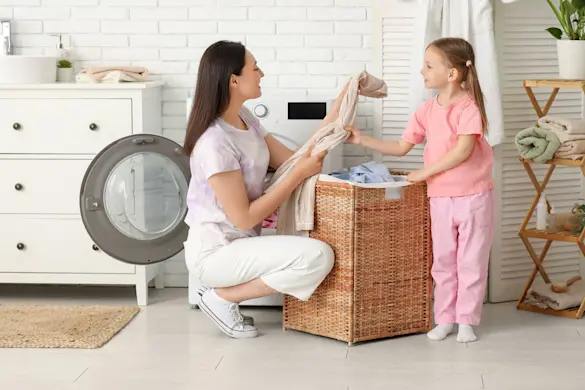
Back-to-school season means sports uniforms, after-school outfits, and a mountain of socks. The laundry rush can push your washer to its limits. Bigger loads, dirtier clothes, and less time between cycles can turn small issues into big headaches. A little pre-season maintenance now will keep your washer cleaning like a champ and your laundry pile under control, no matter how busy the school year gets.
Clean the washer tub
Laundry loads are bigger and dirtier during the school year, and that extra dirt, sweat, and detergent can leave behind buildup inside the tub. Residue from detergent, fabric softener, and even hard water can create a film that traps odors. Those smells can sneak into uniforms and everyday clothes if the washer isn’t fresh.
Run a cleaning cycle: Use a washer cleaner or a mix of hot water and white vinegar to flush out grime and residue. This helps break down buildup you can’t see and keeps the tub smelling fresh.
Scrub seals and dispensers: Wipe the door gasket on a front-load washer or the tub rim on a top-load model, plus detergent compartments, with warm soapy water. Pay attention to folds in the gasket; moisture and detergent buildup love to hide there.
Knowing how to clean your washer not only prevents musty smells from clinging to your laundry, but also helps your washer run more efficiently and last longer
Check the hoses
Washer hoses work hard every cycle, carrying gallons of water in and out of the tub under constant pressure. The rubber or reinforced material can weaken from age, water quality, or everyday wear. When they wear out, a small crack or bulge can turn into a messy (and expensive) leak. No one has time for water damage, especially at the start of the school year.
Inspect for wear: Look for cracks, bulges, or any signs of leaks at the connection points. Even slight dampness at the fittings can signal a problem.
Replace if needed: Swap out hoses that are damaged or more than 5 years old. Stainless steel or braided hoses last longer and can provide extra burst protection.
If your washer fill hose is past its prime, replacing it is an easy upgrade that helps keep water flowing where it’s supposed to go.
Inspect and clean the drain pump filter
Your washer’s drain pump filter is the last line of defense before water leaves the tub. It catches lint, coins, buttons, hair ties, and other small items that sneak past the wash basket. Over time, that debris builds up and can slow draining or stop it altogether. If the clog is bad enough, water may back up into the tub, leaving clothes sitting in dirty water.
A clogged filter also forces the pump to work harder than it should. Prolonged strain can overheat or burn out the pump, leading to a costly repair. In severe cases, you may need to replace the drain pump to get the washer working again.
Where to find it: Most models have the filter behind a small panel at the bottom front of the washer.
How to clean it: Place a shallow pan under the filter to catch water, twist the filter out, and remove any debris. Rinse it under running water and reinstall.
Keeping the pump filter clean protects your pump, keeps water flowing freely, and helps your washer drain properly so loads finish on time.
Level the washer
An unbalanced washer does more than make noise. It can vibrate excessively, move across the floor, loosen internal parts, and even cause damage to the suspension or bearings over time. Heavy back-to-school loads with bulky items like jeans, hoodies, and uniforms can make the problem worse and speed up wear.
Check with a level: Place a level on the washer’s top surface from side to side and front to back to see if the appliance is sitting evenly.
Adjust feet as needed: Turn the leveling feet until the washer is stable and no longer rocks when pushed. Lock the feet in place if your model has locking nuts.
A level washer runs more quietly, lasts longer, and keeps every load spinning smoothly so clothes come out clean and ready for the dryer. It also helps prevent unbalanced load errors that can interrupt cycles.
Check the agitator or impeller
If clothes aren’t coming out clean or you hear odd noises during the wash cycle, the agitator in a top-load washer or the impeller in a high-efficiency model may be to blame. These parts create the motion that moves clothes through the water and detergent. When they wear out, loosen, or break, they can’t circulate laundry effectively, which leads to poor cleaning performance and longer cycle times.
Look for wear or looseness: Check for cracks, stripped splines, or a part that wobbles more than it should. In top-load washers, worn agitator dogs can also prevent the top portion of the agitator from moving correctly.
Replace worn parts before laundry piles up: Addressing issues early keeps your washer cleaning efficiently through the busiest weeks of the school year. If your agitator has internal agitator dogs, inspect them for ware. If they're worn, replace the agitator dogs.
A little pre-season washer care can make a big difference once the school year kicks into high gear. Cleaning, inspecting, and replacing worn parts now helps prevent breakdowns and keeps the laundry moving no matter how big the pile gets. If you run into a bigger issue, our washer repair help section has step-by-step guides to get your machine back in action fast.
Keep the whole laundry lineup ready by prepping your dryer for the new school year.