- Kenmore refrigerator water filters
- Whirlpool refrigerator water filters
- Samsung refrigerator water filters
- GE refrigerator water filters
- LG refrigerator water filters
- Frigidaire refrigerator water filters
- KitchenAid refrigerator water filters
- Maytag refrigerator water filters
- Kenmore Elite refrigerator water filters
- Estate refrigerator water filters
- GE Profile refrigerator water filters
- Amana refrigerator water filters
- Bosch refrigerator water filters
- Dacor refrigerator water filters
- Electrolux refrigerator water filters
Top DIY repair help
View All Repair Categories
Appliances
Lawn & Garden
Power Tools
Home Improvement
Sports & Leisure
Heating & Cooling
How to tell if your refrigerator thermostat is bad
less than a minute readAug 25Lyle Weischwill
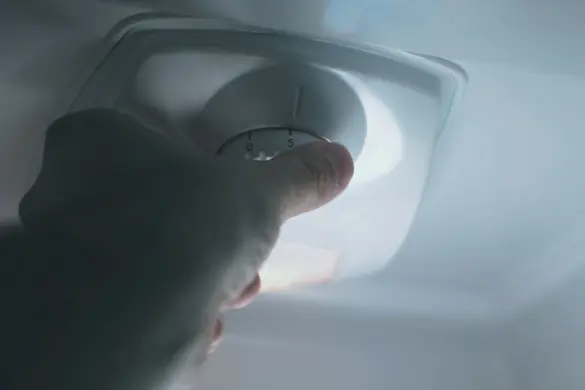
Your refrigerator’s thermostat is the control center for keeping your food at the right temperature. It tells the compressor when to cycle on and off to keep the refrigerator temperature within safe food storage ranges. When the thermostat goes bad, it can lead to spoiled milk, limp vegetables, or ice crystals where they don’t belong.
The tricky part is that thermostat issues can mimic other problems, such as a faulty compressor or blocked air vents. Before replacing the thermostat, run a few quick checks to confirm the real cause.
Always unplug your refrigerator before inspecting or replacing electrical parts, and work in a dry, well-lit space to avoid accidents.
How the thermostat works
The thermostat measures the air temperature inside your refrigerator and freezer. When the temperature rises above the set point, it sends a signal to the compressor to start cooling. Once the desired temperature is reached, the thermostat tells the compressor to turn off. This cycle repeats throughout the day to keep food cold without overcooling.
In most refrigerators, the thermostat is a dial or knob located inside the fresh food compartment, often along the top or back wall. It’s connected to a sensing bulb or sensor that monitors temperature changes and controls the electrical contacts that power the compressor.
Signs your refrigerator thermostat might be bad
Inconsistent refrigerator temperatures
If the thermostat is failing, you may notice food freezing in the fresh food compartment or thawing in the freezer without you changing the settings. Using a refrigerator thermometer can confirm whether the temperature swings outside the normal range without explanation.
Refrigerator not cooling at all
A bad thermostat can prevent the compressor from turning on, even when the dial is set to the coldest setting. If the interior light still works but the fridge never starts cooling, the thermostat could be the issue.
Refrigerator runs constantly
When the thermostat can’t signal the compressor to turn off, the cooling cycle never stops. This often results in very cold or frozen food in the fresh food section, and higher energy bills.
Unresponsive temperature control dial
If turning the temperature control dial doesn’t cause the refrigerator to cycle on or off, or the temperature never changes no matter the setting, the thermostat may no longer be sending the correct signal to the compressor.
How to test a refrigerator thermostat
Not all refrigerators use a mechanical temperature control thermostat; many modern models rely on an electronic control board and temperature sensors instead. The continuity test below only applies if your fridge has a manual dial-style thermostat connected to a sensing bulb, usually found inside the fresh food compartment. If your refrigerator uses digital controls or a display panel, follow the testing procedures in your service manual, as the steps will be different.
Step 1: Confirm the symptoms
Before taking anything apart, make sure the thermostat is the likely culprit. Use an appliance thermometer to record both fridge and freezer temperatures over a 24-hour period. If the temperatures remain consistently too warm or too cold despite adjusting the control dial, you may have a faulty thermostat.
Step 2: Inspect for obvious issues
Some cooling issues can mimic thermostat failure. Make sure nothing is blocking the air vents between the fridge and freezer, the coils are clean, and the door seals are intact. If you notice frost buildup, warm spots, or the fridge isn’t running at all, rule out other causes such as compressor problems before replacing the thermostat.
Step 3: Test continuity on a mechanical thermostat with a multimeter
Unplug the refrigerator and carefully remove the thermostat from its housing, following your service manual’s access instructions. Using a multimeter, check for electrical continuity at different dial settings. You should see continuity (a closed circuit) when the dial is set to a colder temperature, and no continuity (an open circuit) at warmer settings.
Because the thermostat’s sensing bulb reacts to temperature, leaving the fridge unplugged for too long before testing can cause it to warm up, potentially affecting your readings. If needed, place the bulb in a cup of cold water for a few minutes to ensure accurate results. If the readings don’t match expectations, the thermostat may need replacing.
When to replace the thermostat
Replace the thermostat if testing confirms it’s faulty, the temperature control dial is physically broken, or the sensor bulb is damaged. In most cases, installing a new thermostat is straightforward. Follow your service manual or this step-by-step guide on how to replace a refrigerator temperature control thermostat.
If you’re not sure whether the thermostat is the only issue, or you want to explore other possible causes for cooling problems, our DIY refrigerator repair help section covers common symptoms, troubleshooting steps, and part replacement instructions for a wide range of refrigerator repairs.
Preventing future thermostat problems
You can’t prevent every thermostat failure, but good maintenance habits can help extend its life and keep your refrigerator running smoothly.
Avoid overpacking the fridge – Crowding the shelves blocks airflow, which can cause temperature fluctuations and make the thermostat work harder.
Keep coils clean – Dust and debris on the condenser coils force the compressor to run longer, which can strain the thermostat over time.
Check door seals regularly – Damaged or loose seals let cold air escape, triggering extra cooling cycles and adding unnecessary wear on the thermostat.
A faulty thermostat can waste energy, shorten food life, and overwork your refrigerator’s compressor. Testing it at the first sign of trouble and replacing it promptly keeps your appliance running efficiently and helps protect the rest of the cooling system. A few minutes spent on diagnosis and maintenance now can prevent bigger, more expensive repairs later.