- Kenmore refrigerator water filters
- Whirlpool refrigerator water filters
- Samsung refrigerator water filters
- GE refrigerator water filters
- LG refrigerator water filters
- Frigidaire refrigerator water filters
- KitchenAid refrigerator water filters
- Maytag refrigerator water filters
- Kenmore Elite refrigerator water filters
- Estate refrigerator water filters
- GE Profile refrigerator water filters
- Amana refrigerator water filters
- Bosch refrigerator water filters
- Dacor refrigerator water filters
- Electrolux refrigerator water filters
Top DIY repair help
View All Repair Categories
Appliances
Lawn & Garden
Power Tools
Home Improvement
Sports & Leisure
Heating & Cooling
Dryer thermal fuse explained: what it is and how it works
less than a minute readSep 24Kim Hillegass
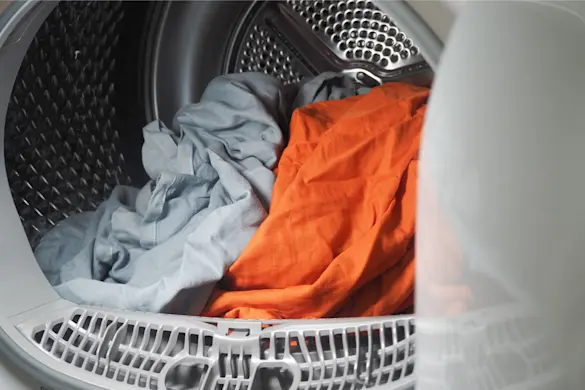
When a dryer suddenly won’t start or stops heating, one of the most common culprits is the dryer thermal fuse. This small safety device plays a big role: it’s designed to shut down the dryer if temperatures climb too high, preventing overheating and reducing the risk of fire.
Because the fuse is a one-time device, it can’t be reset; if it blows, it has to be replaced. Understanding what the thermal fuse does, why it fails, the signs that point to trouble, and how to test or replace it can help you get your dryer running safely again.
What is a dryer thermal fuse and what does it do?
A dryer thermal fuse may be small, but it plays a big role in keeping the appliance safe. It not only protects the dryer from overheating, but also helps prevent household fire hazards. Here’s a closer look at what it is and how it works.
What it is
A dryer thermal fuse is a one-time safety device designed to shut off power when temperatures inside the dryer get too high. Once it blows, it can’t be reset; you’ll need to replace the thermal fuse to get the dryer working again.
The fuse is usually mounted on the blower housing or the exhaust duct. Though small and inexpensive, it’s one of the most important safety parts in your dryer.
What it does
When air inside the dryer reaches unsafe temperatures, the fuse opens the circuit and cuts off power.
Electric dryers: the fuse typically interrupts power to the heating element. The drum may keep tumbling, but no heat is produced.
Gas dryers: the fuse usually cuts power to the burner circuit, so the dryer tumbles but the igniter won’t light.
Because it’s a one-time dryer thermal cutoff, replacing the fuse is the only way to restore normal heating or operation once it blows.
Why does a dryer thermal fuse blow?
A thermal fuse is designed to blow only when something causes the dryer to run dangerously hot. If your dryer keeps blowing the thermal fuse, it usually means there’s an underlying problem that needs attention. Common causes include:
Blocked venting: Lint accumulation in the vent system is the classic cause of restricted airflow. But vent lines can also be blocked by outside obstructions like a bird’s nest or debris around the vent hood. Either way, hot air can’t escape, and it backs up into the dryer.
Poor airflow: Even with a clear vent line, the dryer can overheat if the blower is restricted, the drum is overloaded, or the exhaust hose is kinked or crushed from installation. These kinds of dryer airflow problems reduce circulation and quickly stress the fuse.
Failed parts: A faulty cycling thermostat or shorted heating element can keep the dryer running hotter than it should, which eventually trips the fuse.
Addressing the root cause is critical. If you just replace the fuse without fixing what led to the overheating, the new one will likely blow again.
Signs of a blown thermal fuse
A blown thermal fuse can show up in a few different ways, depending on your dryer’s design. Some of the most common symptoms include:
Dryer won’t start at all. If the fuse is wired to cut power to the motor, you’ll see a total shutdown.
Dryer runs but doesn’t heat. In many models, the drum will still tumble but the heating circuit won’t engage.
Runs briefly, then shuts off. A dryer that stops mid-cycle can be a sign the fuse is failing under heat load.
Burning smell. Before the fuse blows, you may notice a scorched odor from the dryer as components overheat.
The exact symptom often depends on whether the dryer is gas or electric:
Gas dryers: the fuse usually cuts power to the burner circuit. The drum will tumble, but the igniter won’t light and no heat is produced.
Electric dryers: the fuse may cut power to the heating element or to the motor, so the dryer might tumble with no heat, or fail to run at all.
Any of these signs point to a blown fuse or overheating problem that needs to be corrected before the dryer will work normally again.
How to check a dryer thermal fuse
Testing a dryer thermal fuse is a straightforward process, but safety comes first. Always unplug the dryer before working on it.
Unplug the dryer. Never inspect or test electrical parts while the appliance is connected to power.
Access the fuse. Remove the dryer’s rear or lower access panel. The fuse is a small white or silver component with two wires attached, usually mounted on the blower housing or exhaust duct.
Disconnect the wires. Carefully pull the wires off the terminals so you can test the fuse directly.
Use a multimeter. Perform a dryer fuse test by checking for continuity. If the reading shows no continuity, the fuse has blown and needs replacement.
If the fuse tests open (no continuity), replacement will restore operation. But remember, the fuse blew for a reason. Check for vent clogs or airflow problems before installing the new part to keep it from happening again.
How to replace a dryer thermal fuse
Swapping out a blown thermal fuse is usually a quick repair, but it’s important to fix the root cause, typically vent or airflow issues, so the new fuse doesn’t blow again. Here’s a basic overview:
Unplug the dryer. Always disconnect power before beginning any repair.
Access the fuse. Remove the rear or lower back panel to reach the fuse housing.
Disconnect the wires. Pull the two wires off the fuse terminals.
Replace the fuse. Remove the old fuse, install the new one, and reconnect the wires.
This repair is straightforward, but the exact steps can vary depending on whether you have a gas or electric dryer. For more help, see our repair guides on how to replace a thermal fuse in an electric dryer or how to replace a thermal fuse in a gas dryer.
Replacing the fuse alone won’t solve the problem if airflow is still restricted. Be sure to clean lint from the vent system and check for crushed hoses or blower restrictions before running the dryer again.
Preventing future thermal fuse problems
A new fuse will only last if the dryer has good airflow. Simple maintenance habits go a long way toward preventing repeat failures:
Clean the lint filter after every load. Even a thin layer of lint reduces airflow and forces the dryer to run hotter, which increases the risk of a blown fuse. Neglecting this step is one of the main reasons a dryer vent gets clogged.
Inspect and clean venting regularly. Lint can build up in the vent hose or exhaust duct, leading to serious dryer airflow problems. Cleaning the vent line at least once a year helps keep temperatures in check.
Avoid overloading the dryer. Heavy loads trap heat and make it harder for air to circulate.
Check the vent hose. Make sure it isn’t kinked or crushed behind the dryer, which can restrict exhaust flow and cause dryer overheating.
These simple steps not only protect the thermal fuse but also help your dryer run more efficiently and last longer.
Replacing a blown thermal fuse is a common and affordable dryer repair, but it’s only part of the solution. Always take time to clear vents and fix airflow issues so the new fuse doesn’t fail again. If your dryer won’t start or your dryer is not heating even after replacing the fuse, more troubleshooting may be needed. Our dryer repair help hub has step-by-step guides to walk you through additional fixes.