- Kenmore refrigerator water filters
- Whirlpool refrigerator water filters
- Samsung refrigerator water filters
- GE refrigerator water filters
- LG refrigerator water filters
- Frigidaire refrigerator water filters
- KitchenAid refrigerator water filters
- Maytag refrigerator water filters
- Kenmore Elite refrigerator water filters
- Estate refrigerator water filters
- GE Profile refrigerator water filters
- Amana refrigerator water filters
- Bosch refrigerator water filters
- Dacor refrigerator water filters
- Electrolux refrigerator water filters
Top DIY repair help
View All Repair Categories
Appliances
Lawn & Garden
Power Tools
Home Improvement
Sports & Leisure
Heating & Cooling
How to get a bird out of a dryer vent in 5 steps
less than a minute readAug 04Lyle Weischwill
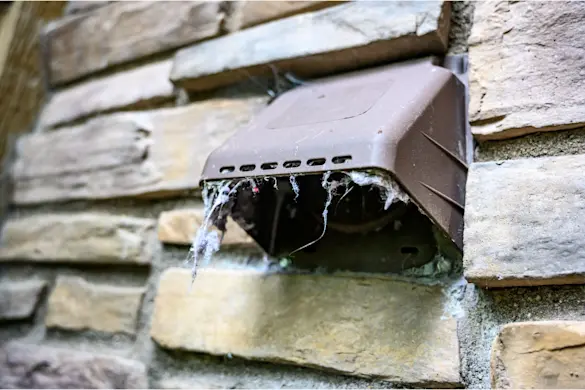
Birds love warm, sheltered spaces, which makes your dryer vent prime real estate for a curious feathered visitor. The problem? A bird or nest inside your dryer vent can block airflow, make your dryer work harder than it should, and even become a fire hazard. Plus, the bird doesn’t exactly want to be there either.
With a few precautions and a little patience, getting a bird out of a dryer vent is usually a safe and simple DIY task. You can do it without damaging your vent or harming your unexpected houseguest.
Why birds get into dryer vents
Dryer vents are warm, protected, and often just the right size, making them an ideal hiding spot or nesting place for birds. Whether your vent has a missing cover or just enough of a gap, it can look like a safe, cozy place to settle in.
Birds are especially likely to seek out dryer vents during nesting season (usually in spring), but they may also take shelter during colder months or bad weather. Once inside, they can build nests, bring in debris, and block airflow before you even know they’re there.
Signs a bird might be in your dryer vent
Strange dryer behavior or unusual sounds near the vent often mean a bird has made its way inside. You can usually confirm it by simply watching and listening.
Chirping or flapping sounds coming from the vent area or inside the laundry room, especially when the dryer isn’t running
Dryer taking longer to dry clothes or shutting off mid-cycle due to restricted airflow and overheating
Musty or “barnyard” smells from the laundry area or vent outlet
Visible nesting material like twigs, grass, or feathers poking out of the vent cover
Not sure if it’s a bird?
To verify:
Check the outside vent opening during daylight hours. If you see movement, hear peeping, or spot nesting debris, a bird is likely inside.
Hold a tissue or paper towel near the vent while the dryer is running. Weak or no airflow is a sign of a blockage and possibly a nest.
Shine a flashlight into the duct from either end if possible, but don’t poke inside; you could injure a trapped bird.
If you're hearing signs but not seeing anything, give it a little time. Birds may come and go during nest building, so a visual check later in the day can help confirm.
How to safely get a bird out of a dryer vent
Removing a bird from your dryer vent takes a little patience and care. Follow these steps to keep both the bird and your vent safe during the process.
Step 1: Turn off the dryer
Unplug the dryer or turn off power at the breaker.
This prevents injury to the bird and protects your appliance from overheating or damage.
Step 2: Locate the vent exit
Find the exterior vent hood, usually on an outside wall or near the foundation.
Watch for movement or listen for chirping to confirm the bird’s location.
Step 3: Gently remove the vent cover
Use a screwdriver to take off the cover if it’s screwed in place.
Be ready in case the bird flies out right away. Keep pets and children indoors during this step.
Step 4: Remove any nesting material
Wear gloves and a dust mask to protect yourself from debris and allergens.
Clear out visible twigs, grass, and lint using your hands, a vacuum hose, or a dryer lint brush.
Important: Do not stick anything into the duct if the bird is still inside. You could injure it or block its exit.
Step 5: Let the bird escape or call for help
Give the bird time to leave on its own if it hasn’t already.
If it appears stuck, injured, or too young to fly, contact a local wildlife rehabilitator for assistance.
How to prevent birds from getting into dryer vents
Once you’ve cleared the vent, it’s worth taking a few simple steps to make sure birds don’t come back. Preventing birds from entering your dryer vent also improves airflow and helps your dryer run more efficiently.
Install a vent cover or bird guard
A properly fitted cover keeps birds and other critters out while still allowing moist air to escape. Choose a design that’s easy to clean and designed for dryer vents, not just general-purpose screen mesh.
Check your vent regularly
Look at the outside vent opening every few weeks, especially during spring and early summer, for signs of nesting material, feathers, or debris buildup.
Clean your dryer vent at least once a year
Even without a bird, lint and dust can clog the duct over time. A thorough cleaning clears out blockages, reduces fire risk, and helps prevent animals from settling in. For step-by-step tips, see our guide on how to clean and maintain your clothes dryer.
When to clean your dryer vent (and what to check if it's still not working right)
If your dryer is taking longer to dry clothes, shutting off mid-cycle, or leaving laundry damp, the problem might be more than just lint or nesting debris. Restricted airflow from a clogged or damaged vent can cause performance issues and even trigger overheating shutoffs.
Start with a full dryer and vent cleaning. If the dryer still isn’t performing well, check for damaged vent hoses, crushed ductwork, or missing vent covers.
If you do find damaged components, we carry dryer vent parts, including replacement duct kits, vent guards, and clamps. We also offer troubleshooting tips if your dryer isn't drying clothes to help you narrow down the cause.
Keeping your dryer vent protected and clear of blockages is one of the easiest ways to avoid performance problems and prevent unexpected wildlife encounters. After all, the only thing nesting near your dryer should be socks, not sparrows.