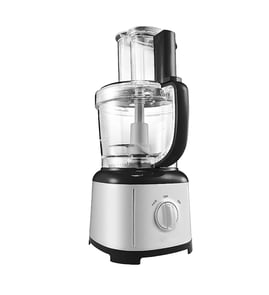

Can a food processor cut french fries?
Yes. A KitchenAid food processor like model KFP1320PA0 can cut potatoes into fry-shaped sticks if you use a thick slicing or fry-cut style accessory and feed the potato straight. Results are best with firm potatoes and even-sized pieces.
Best way to cut fries with a food processor
- Use chilled, firm potatoes (russet or Yukon Gold work well).
- Cut potatoes to fit the feed tube so they stand upright and feed evenly.
- Use the thickest slicing option you have; slice first, then stack slices and cut into sticks if needed.
- Feed steadily with the pusher; do not force the potato.
- Rinse cut fries to remove surface starch, then dry well before cooking.
What to check if the cuts look uneven
Uneven fries usually come from the potato shifting in the feed tube or a worn/misaligned lid and pusher setup.
| Symptom | Most common cause | What to do |
|---|---|---|
| Fries vary in thickness | Potato tilting in feed tube | Trim one side flat; keep potato centered |
| Ragged edges | Dull or damaged blade/disc | Inspect accessory; replace if nicked |
| Processor stops or won’t run | Lid not fully locked | Reseat and lock the cover assembly |
If your lid, pushers, or feed tube parts are cracked or not locking firmly, replacing the cover assembly often restores consistent feeding and safer operation; see work bowl cover assy w/ pushers W11680388.
Why it matters
Even, consistent fries cook at the same rate, so you get better texture and less burning. Proper feeding also reduces strain on the motor and helps the safety interlock engage correctly.
Last updated: January 2026
What is the best size for a food processor?
For most home kitchens, the best all-around food processor size is 12 to 14 cups because it handles everyday chopping plus bigger jobs like dough, slaws, and salsa without constant batching. The KitchenAid KFP1320PA0 is in that “do-most-things” capacity range.
Quick size guide (what each capacity is best for)
- 4 to 7 cups (mini): herbs, nuts, garlic, small sauces, quick breadcrumbs
- 8 to 11 cups (mid-size): weeknight prep for 1 to 3 people, smaller batches of dips
- 12 to 14 cups (full-size): most families, meal prep, pie dough, shredding cheese, salsa
- 16 cups and up (extra-large): large families, bulk prep, frequent entertaining
How to choose the right size for your cooking
Use these practical checks before you buy or replace bowls and lids:
- Batch size: if you often prep 4+ servings, 12 to 14 cups saves time
- Counter and cabinet space: larger bowls and feed tubes take more storage room
- Typical ingredients: big bowls excel at shredding and slicing; tiny batches can smear on the sides
- Cleanup tolerance: bigger machines mean more parts to wash
- Accessories you actually use: slicing and shredding discs matter more than maximum capacity for many cooks
KFP1320PA0 parts that relate to capacity and fit
If your “size” problem is really about overflow, leaks, or the lid not locking, these model-specific parts are the first ones to check:
| What you’re dealing with | Common cause | Part to consider for KFP1320PA0 |
|---|---|---|
| Bowl feels too small or cracked | Worn or damaged bowl | 13 13 cup work bowl assy W11685527 |
| Food sprays or lid will not seat | Warped or broken cover | Work bowl cover assy w/ pushers W11680388 |
Why it matters
Right-sizing reduces rework: an undersized bowl forces extra batches (and uneven texture), while an oversized bowl can struggle with very small quantities and make cleanup feel like more work than the recipe.
Last updated: January 2026
What is the best reasonably priced food processor?
For most kitchens, the best reasonably priced food processor is a mid-size (8 to 12 cup) model with a strong motor, simple controls, and dishwasher-safe bowl and lid. If you already own KitchenAid model KFP1320PA0, replacing a worn bowl or lid often restores performance for less than buying a new unit.
What “best value” looks like (quick checklist)
- Capacity: 8 to 12 cups for everyday chopping, slicing, and shredding
- Power: strong enough to handle cheese, carrots, and dough without stalling
- Feed tube and pusher: stable, easy to lock, and sized for common produce
- Easy cleanup: fewer crevices; dishwasher-safe work bowl and lid
- Parts support: bowls, lids, and pushers available when something cracks or warps
If you have KFP1320PA0: when a part replacement beats buying new
If your machine runs but the bowl will not lock, the lid will not latch, or the pusher fit is loose, the most cost-effective fix is often replacing the bowl or cover assembly.
Common value-saving replacements for KFP1320PA0:
- Work bowl cover assy w/ pushers W11680388 (lid, feed tube, and pushers as an assembly)
- 13 13 cup work bowl assy W11685527 (work bowl replacement)
Typical price-to-performance comparison
| Option | Best for | Typical tradeoffs |
|---|---|---|
| 8 to 12 cup budget food processor | Everyday chopping and shredding | Louder, fewer blade/disc options |
| 12 to 14 cup “prosumer” model | Frequent cooking, larger batches | Higher cost, more storage space |
| Repairing KFP1320PA0 with a new bowl or lid | Keeping your current KitchenAid performance | Only solves fit, latch, and wear issues |
Why it matters
A “reasonably priced” food processor is the one that stays easy to use over time. A cracked work bowl, warped lid, or missing pusher can make a good machine feel unusable, so keeping key KitchenAid parts available is a big part of long-term value.
Last updated: January 2026
Which food processor makes less noise?
Food processors are all fairly loud, but the quietest choice is usually a heavier, well-sealed unit that runs smoothly without rattling. For the KitchenAid KFP1320PA0, keeping the bowl and lid properly seated (and replacing worn fit parts like the work bowl cover assy w/ pushers W11680388) is the most reliable way to reduce noise.
What actually makes a food processor quieter
Noise is mostly vibration plus motor sound. You will typically get the biggest improvement by reducing vibration and preventing parts from chattering.
- Use the processor on a solid, heavy countertop (not a thin folding table)
- Make sure the work bowl and lid are fully locked and sitting flat
- Do not overfill; heavy loads can strain the motor and increase noise
- Cut hard foods (carrots, cheese) into smaller chunks before processing
- Stop and re-seat the lid/pushers if you hear clicking or rattling
Quick comparison: quieter operation checklist
| What you notice | Most common cause | What to do |
|---|---|---|
| Rattling or clicking | Lid/pusher not seated, worn fit | Re-seat; inspect and replace the cover/pusher assembly if needed |
| Loud buzzing with light load | Bowl not locked, vibration on counter | Lock bowl; move to a sturdier surface |
| Grinding sound | Damaged accessory or debris | Unplug; inspect bowl area and attachments |
| Loud only with hard foods | Normal load noise | Pre-cut food; use shorter pulses |
Parts that can help if the noise is from fit or vibration
If the noise is coming from the top assembly (chatter, clicking, or a loose feel), replacing the lid/pusher assembly is a common fix.
- Work bowl cover assy w/ pushers W11680388: helps restore a tight, stable fit at the lid and pusher openings
- 13 13 cup work bowl assy W11685527: helps if the bowl is cracked, warped, or no longer locks firmly
Why it matters
Excess noise is often a sign of vibration, poor seating, or a worn bowl/lid interface. Fixing the fit helps the KFP1320PA0 run smoother, protects the locking tabs, and improves processing results.
Last updated: January 2026