- Kenmore refrigerator water filters
- Whirlpool refrigerator water filters
- Samsung refrigerator water filters
- GE refrigerator water filters
- LG refrigerator water filters
- Frigidaire refrigerator water filters
- KitchenAid refrigerator water filters
- Maytag refrigerator water filters
- Kenmore Elite refrigerator water filters
- Estate refrigerator water filters
- GE Profile refrigerator water filters
- Amana refrigerator water filters
- Bosch refrigerator water filters
- Dacor refrigerator water filters
- Electrolux refrigerator water filters
Top DIY repair help
View All Repair Categories
Appliances
Lawn & Garden
Power Tools
Home Improvement
Sports & Leisure
Heating & Cooling
Why your fridge keeps tripping the breaker and what you should check
less than a minute readSep 17Wayne Archer
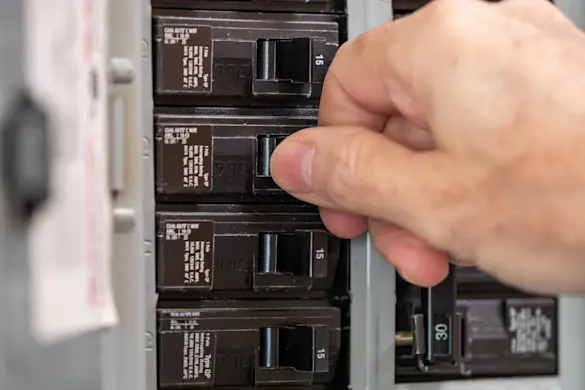
When a refrigerator keeps tripping the circuit breaker, it’s a sign of a problem somewhere in the system. Breakers are designed to prevent overheating and electrical hazards, so repeated trips mean something in the appliance, the outlet, or the house wiring needs attention.
It doesn’t always mean the fridge itself is the problem. Sometimes the culprit is the circuit being overloaded, or the outlet not handling the demand. Other times, a part inside the refrigerator is drawing too much power.
Before checking anything, always unplug the refrigerator. And if you suspect the issue lies with your home’s wiring or breaker panel, contact a licensed electrician for safety.
Why refrigerators trip circuit breakers
Circuit breakers are designed to protect your home’s electrical system by shutting off power when too much current flows through a circuit. If your refrigerator keeps tripping the breaker, it means something is pulling more electricity than the breaker can safely handle.
Common causes include:
Too many appliances on the same circuit. Refrigerators should ideally be on a dedicated circuit. If other high-draw devices like microwaves or coffee makers share the same line, the combined load can push the breaker over its limit.
Faulty breaker or wiring. A worn breaker or loose wiring connection in your home can trip under loads it should normally handle.
A refrigerator component pulling excess current. If the fridge is the culprit, the usual suspects are the compressor, defrost heater, or a shorted wire inside the unit. These parts can demand more current if they malfunction, triggering the breaker to trip.
First checks outside the fridge
Start by ruling out electrical issues that have nothing to do with the refrigerator itself. It’s quick, and it often finds the culprit.
Circuit load. See what else shares the same circuit. Refrigerators do best on a dedicated circuit; if a microwave, toaster, coffee maker, or other high-draw appliance is on the same line, the combined load can trip the breaker.
Breaker condition. An aging or weak breaker can trip under normal load. If the breaker feels warm, trips with very light load, or has to be reset frequently, have an electrician evaluate it.
Outlet and cords. Plug the fridge directly into a grounded wall outlet. Avoid extension cords and power strips, which can overheat and cause voltage drop that increases current draw. If the outlet is GFCI/AFCI and nuisance trips are frequent, consult an electrician about code-compliant options.
Common refrigerator-related causes
If the house circuit checks out, a component in the refrigerator may be drawing too much current or shorting intermittently.
Defrost heater short. A faulty heater can trip the breaker when the defrost cycle kicks on (often 20–45 minutes after the compressor stops). Clues include repeated trips at similar times and heavy frost on the evaporator.
Compressor problems. A locked or failing compressor can pull very high amps at startup. You may hear repeated clicking as the overload kicks out, feel the compressor shell getting very hot, or notice the breaker trips right when the compressor tries to start.
Start relay or capacitor failure. If the start device or capacitor shorts or fails, the compressor may “click-buzz-click” and the breaker can trip during attempted starts. You can try to replace the overload relay yourself if you're comfortable with the process.
Damaged power cord. Cuts, crushed spots, or a hot plug can indicate a short or poor connection that trips the breaker.
Internal wiring issues. Loose, pinched, or chafed wires (for example near door hinges or behind panels) can intermittently short to ground.
How to troubleshoot safely
Work methodically and keep safety first. Unplug the refrigerator before any inspection or testing.
1. Isolate the load
Unplug other appliances on the same circuit. Reset the breaker. Plug the refrigerator back in by itself and observe.
2. Note when it trips
Immediate trip: possible shorted cord, plug, or internal wiring.
At compressor start: suspect compressor, start relay, or capacitor.
Mid-cycle (about 20–45 minutes later): suspect defrost heater or defrost wiring.
3. Listen and feel.
With power applied, listen for repeated clicking or loud buzzing near the compressor. Carefully feel the compressor shell after a few minutes (it can get hot); excessive heat plus clicking points to start/compressor issues.
4. Inspect the cord and plug
Look for nicks, crushed insulation, discoloration, or looseness at the cabinet junction. Replace the cord if damaged.
5. Try a different dedicated outlet (if practical)
If you can safely reach another known-good, properly grounded kitchen circuit, test there to rule out a weak breaker or outlet. Do not use an extension cord as a permanent solution.
6. Use a multimeter to check for shorts
With the refrigerator unplugged, you can use a multimeter to test key components for shorts to ground:
Check each flat prong of the power cord (not the round ground prong) to any bare metal on the cabinet. If you get continuity, there’s a short in the internal wiring.
Disconnect the wires from the compressor and test each terminal to the compressor casing. Continuity here means a shorted compressor winding.
Disconnect the defrost heater wires and test each terminal to the heater casing. If continuity is present, the defrost heater is shorted and needs replacing.
⚠️ Diagnosing other issues, like checking for voltage during operation, requires live testing and should only be performed by a qualified professional.
If the breaker continues to trip after isolating the circuit and basic checks, call an electrician to evaluate the breaker/outlet, or an appliance technician if symptoms point clearly to a refrigerator component.
When to call for refrigerator repair
If the breaker trips even when the refrigerator is the only device on the circuit, the problem likely lies within the fridge itself. Certain issues are better left to professionals, especially when they involve high-voltage components or sealed parts.
Persistent trips with no other load. If the breaker pops even when the fridge is plugged into a dedicated circuit, internal components may be drawing excess current.
Compressor or wiring faults. A failing compressor, burnt start relay, or damaged internal wiring are complex repairs that usually require a technician.
Burning smells or sparks. If you notice smoke, scorch marks, or sparking at the cord, outlet, or inside the unit, unplug it immediately and schedule service.
For more troubleshooting advice and DIY fixes, check out our refrigerator DIY repair help section.
Preventing future breaker trips
Keeping your refrigerator in good working order not only helps prevent inconvenient shutdowns, it also reduces wear on the breaker and wiring.
Use a dedicated outlet. Refrigerators should always have their own properly grounded outlet. Avoid power strips or shared circuits.
Clean the condenser coils. Dirty coils force the compressor to work harder, which increases current draw and raises the chance of a trip. Use a vacuum and clean the coils at least twice a year.
Inspect the power cord regularly. Cracked insulation or loose prongs can cause shorts and overheating. Swap it as soon as you notice wear.
Maintain door gaskets. A weak seal makes the fridge run longer and harder to stay cool, leading to higher electrical demand and possible breaker trips. Here’s how to fix a fridge door seal if yours is worn or loose.
A tripped breaker doesn’t always mean your refrigerator is finished; it often points to an electrical or maintenance issue that can be corrected. Start with the simple checks, rule out overloaded circuits, and keep the fridge well-maintained to minimize strain. If problems continue, move on to targeted repairs or call in a technician to prevent more serious damage.