- Kenmore refrigerator water filters
- Whirlpool refrigerator water filters
- Samsung refrigerator water filters
- GE refrigerator water filters
- LG refrigerator water filters
- Frigidaire refrigerator water filters
- KitchenAid refrigerator water filters
- Maytag refrigerator water filters
- Kenmore Elite refrigerator water filters
- Estate refrigerator water filters
- GE Profile refrigerator water filters
- Amana refrigerator water filters
- Bosch refrigerator water filters
- Dacor refrigerator water filters
- Electrolux refrigerator water filters
Top DIY repair help
View All Repair Categories
Appliances
Lawn & Garden
Power Tools
Home Improvement
Sports & Leisure
Heating & Cooling
What are the parts of a log splitter?
less than a minute readOct 29Kim Hillegass
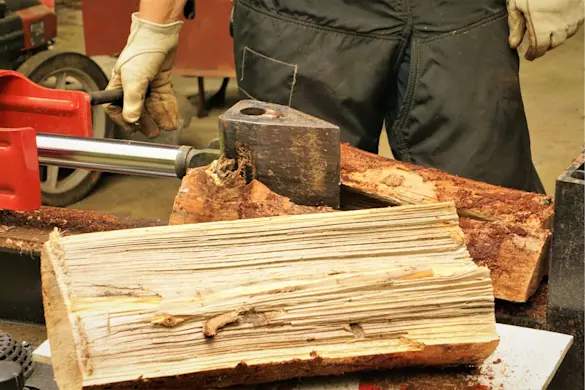
A gas-powered log splitter turns hard manual labor into a smooth, mechanical process. At its core, the engine powers a hydraulic system that pushes a steel wedge through firewood with impressive force, no axe required.
Understanding the main parts of a log splitter isn’t just for mechanics. It helps you spot wear before it causes failure, replace the right components when something breaks, and operate your machine safely and efficiently. Whether you're troubleshooting a leak or upgrading a part, a little knowledge goes a long way.
From the engine and hydraulic pump to the control lever and wedge, here’s a breakdown of the key components that make a gas log splitter work.
Power components
The engine and fuel system give your gas log splitter the muscle it needs to drive the hydraulic pump and push through dense logs. Keeping these parts in good condition is key to smooth, consistent splitting.
Engine
The heart of the log splitter is a small gas-powered engine, typically a horizontal-shaft design similar to those found in tillers or other small outdoor equipment. It powers the hydraulic pump that generates the pressure needed to drive the splitting wedge. Regular maintenance like oil changes, air filter replacement, and spark plug inspection helps ensure the engine runs reliably and delivers the force needed for heavy-duty use.
Fuel system
The fuel system includes the gas tank, fuel lines, and carburetor, all working together to supply and mix fuel for combustion. Over time, fuel lines can crack, leak, or clog, especially if old fuel sits in the tank too long. If that happens, you may need to replace the fuel line to restore proper fuel delivery.
Carburetor
The carburetor mixes air and fuel in the right ratio for ignition, but it’s prone to buildup that can cause stalling or poor performance. In some cases, it’s easier to replace the carburetor than try to clean it.
Recoil starter
If the engine won’t turn over at all, a faulty recoil starter may be the culprit. You can replace the recoil starter if the pull cord slips, jams, or no longer catches.
Hydraulic system
The hydraulic system is what gives a log splitter its serious splitting power. By converting the mechanical energy from the engine into pressurized hydraulic force, this system drives the ram that pushes wood into the splitting wedge. Each component in the system plays a role in making that motion efficient and powerful.
Hydraulic pump
The hydraulic pump is driven by the engine and is responsible for pressurizing the hydraulic fluid. That pressurized fluid flows to the cylinder, powering its forward and backward movement. Without proper pump performance, you’ll notice slower cycle times or a ram that struggles under pressure. Keeping the pump lubricated and free of debris helps maintain speed and force during operation.
Hydraulic cylinder (ram)
The cylinder, also called the ram, is what physically pushes the log into the splitting wedge. As hydraulic fluid enters the cylinder, it extends the piston rod to apply force. Once the split is complete, the cylinder retracts to reset for the next log. A slow or jerky ram can signal low fluid, internal leaks, or worn seals that need replacing.
Hydraulic reservoir and hoses
The reservoir holds extra hydraulic fluid and allows air and contaminants to separate from the system. Hoses carry the fluid between the reservoir, pump, control valve, and cylinder. Over time, hydraulic hoses can develop cracks or leaks due to vibration, heat, or age. It's important to:
Inspect hose connections for looseness or leaks.
Watch for visible wear like bulging, cracks, or oily residue near fittings.
A leaking hose or low reservoir level can reduce pressure and lead to inefficient splitting or component damage.
Hydraulic filter
The hydraulic filter cleans the fluid as it cycles through the system. Contaminants like dirt, metal shavings, or degraded hose material can harm sensitive internal parts of the pump and cylinder. Replacing the filter regularly and using the correct type of hydraulic fluid help extend the life of the entire hydraulic system.
Splitting assembly
The splitting assembly is where all the hydraulic force gets translated into action. These parts directly interact with the log, so wear and alignment are important for consistent, safe performance.
Splitting wedge
The splitting wedge is the component that makes contact with the log and forces it apart. It may be mounted in a fixed position or move with the hydraulic ram, depending on the splitter design. Wedges come in different shapes; some are single-bevel for basic splitting, while others are four-way to divide logs into quarters in one pass. If the wedge becomes dull, bent, or chipped, it can reduce splitting power and increase strain on the hydraulic system. Many models allow for wedge replacement if damage occurs.
Log cradle or beam
The log cradle, or main beam, supports the log as it's pushed into the wedge. It keeps the log aligned and stable to prevent twisting or slipping during the split. Some cradles feature welded-on side wings or bolt-on extensions to catch split pieces and keep them from falling. If the cradle is bent or misaligned, splitting becomes harder and less accurate. Regular inspection helps ensure the log remains centered and safely positioned during operation.
Controls and operation
Understanding how your log splitter operates is key to using it safely and effectively. The controls regulate hydraulic movement and are often designed with built-in safety features.
Control lever or valve
The control lever, or hydraulic valve, directs pressurized fluid into the cylinder to either extend or retract it. Some valves are manual, while others may include auto-return or detent positions that hold the lever in place for repeated cycles. Smooth operation of this lever is critical for precise control over the splitting stroke. If it sticks, leaks, or fails to engage properly, it can interrupt the splitting process or create unsafe conditions.
Safety features
To help prevent accidental injury, many gas log splitters come with safety mechanisms like two-handed control systems, which require both hands to operate the splitter and keep them away from moving parts. Others may include guards around the wedge or valve area. While not universal, these features are important to check and maintain if your model includes them.
Frame and support parts
The frame and support components of a log splitter don’t get as much attention as the engine or hydraulics, but they’re essential for safe and stable operation, especially when dealing with heavy logs and forceful splitting.
Axle and wheels
Most log splitters include a towable axle and wheel setup, allowing you to move the unit from one location to another. The tires may be pneumatic or solid, and the axle design may vary depending on whether the splitter is intended for off-road use or highway towing. Keeping the wheels properly inflated and the axle components greased helps maintain mobility.
Stand or stabilizer legs
Stabilizer legs or a built-in stand help keep the splitter level and reduce vibration during use. Some models have adjustable legs for uneven ground, while others rest on a fixed base. A stable platform ensures better splitting accuracy and reduces strain on the frame and operator.
Log catchers or trays
Log catchers are optional accessories designed to catch the split sections and prevent them from falling to the ground. This not only speeds up operation but also reduces bending and lifting. If your splitter doesn’t include catchers by default, bolt-on kits may be available for select models.
Keep your log splitter running strong
The parts of a gas log splitter are only as reliable as the care they receive. Routine maintenance helps prevent failures, extends the life of critical components, and ensures the machine operates efficiently season after season.
Regularly cleaning and inspecting your splitter, especially after heavy use, can catch small issues before they become big problems. Between jobs, keep the engine in good shape, check all hardware for looseness, and maintain the hydraulic system to avoid sluggish performance or leaks.
When storing the splitter for long periods, drain fuel if needed, clean debris from the frame and beam, and keep the unit covered in a dry place to prevent corrosion.
Saving your model number makes it easier to find compatible log splitter parts when it’s time to replace worn hoses, filters, or engine components. Simply log into your account at the top right of the page, or create one. If your splitter isn’t running as expected, our DIY log splitter repair and troubleshooting tips can help you pinpoint the issue and get back to splitting.