- Kenmore refrigerator water filters
- Whirlpool refrigerator water filters
- Samsung refrigerator water filters
- GE refrigerator water filters
- LG refrigerator water filters
- Frigidaire refrigerator water filters
- KitchenAid refrigerator water filters
- Maytag refrigerator water filters
- Kenmore Elite refrigerator water filters
- Estate refrigerator water filters
- GE Profile refrigerator water filters
- Amana refrigerator water filters
- Bosch refrigerator water filters
- Dacor refrigerator water filters
- Electrolux refrigerator water filters
Top DIY repair help
View All Repair Categories
Appliances
Lawn & Garden
Power Tools
Home Improvement
Sports & Leisure
Heating & Cooling
Washer makes grinding noise during agitation? Here's what it means
less than a minute readMay 23Kim Hillegass
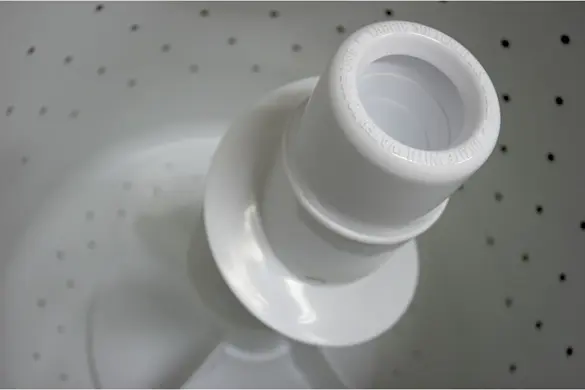
Your washer works hard to clean your clothes, and it’s going to make some noise. But it shouldn’t sound like it’s chewing up a metal toolbox. If your washing machine is making grinding noises during agitation, it’s trying to tell you something. That harsh metal-on-metal sound could point to a problem that gets worse (and more expensive) the longer you wait.
Let’s break down what that grinding noise means, what causes it, and how to fix it. And if you're not sure where to start, our DIY washer repair help section has step-by-step guides and part-specific repair tips to get you going.
What does a grinding noise during agitation mean?
Grinding is more than just an annoying sound—it’s a sign something mechanical isn’t moving like it should. During agitation, your washer works the hardest to move clothes back and forth, so that’s when worn or damaged components are most likely to show up.
If you hear a grinding noise during agitation, you may notice other symptoms that help pinpoint the issue.
Clothes not agitating or spinning properly
Loud metal-on-metal scraping
Burning smell or belt slippage
Washer not advancing through the cycle
These signs can help you zero in on the source of the problem.
Common causes of washing machine grinding noises during agitation
Worn agitator dogs or agitator components
This is one of the most common issues on top-load washers with a dual-action agitator. Agitator dogs are small plastic ratchet-like parts that grip and release to rotate the upper agitator in one direction. Over time, they wear down and stop catching properly. If the top half of the agitator spins freely or doesn’t move during the wash cycle, the agitator dogs may need to be replaced.
Signs to look for:
Grinding or ratcheting sound during agitation
Clothes not moving properly in the tub
You can replace the agitator dogs in under an hour with basic tools.
Damaged drive pulley or belt
If your washing machine is grinding during agitation, especially with a squealing undertone, the drive pulley or belt could be worn, misaligned, or slipping.
The drive belt connects the motor to the transmission or drum, while the pulley helps transfer that motion smoothly. If either part is damaged, your washer may struggle to agitate properly.
Symptoms:
Drum turns with difficulty
Visible belt wear or fraying
Pulley appears loose or wobbly
Grinding or squealing that worsens with heavier loads
Replacing a drive belt typically involves unplugging the washer, removing the back or bottom panel, slipping off the old belt, and looping a new one around the motor and drum pulleys. Always refer to your model’s manual for exact steps, as designs can vary.
Failing transmission or gearcase
A deeper, harsher grinding noise during agitation could point to a worn-out gearcase or transmission. The gearcase is responsible for transferring power from the motor to the agitator or drum—essentially coordinating all the mechanical movement during the wash and spin cycles. When this part begins to fail, it often makes itself known with loud, metal-on-metal noises.
Watch for:
Oil leaking under the washer
Drum not turning, or agitating slowly
Loud grinding, especially during agitation or spin
These repairs are complex and often require partial disassembly of the washer. If you're ready to tackle it yourself, here’s a guide on how to replace the gearcase in a top-load washer. Otherwise, it may be time to consider calling in a technician.
Worn motor coupling (on top-load direct-drive washers)
If you have a Whirlpool or Kenmore top-loader and it suddenly starts grinding—or won’t agitate at all—the motor coupling may be broken.
What to check:
Washer fills but doesn’t agitate
Grinding or clicking right after the cycle starts
Visible wear on the plastic coupling pieces
Follow this guide on how to replace a washer motor coupling to fix it.
Foreign object stuck between tubs
Not every grinding noise is a major mechanical failure—sometimes it’s just a rogue coin trying to reenact Fast & Furious: Spin Cycle. A coin, screw, or bra wire that slips between the inner and outer tubs can create a loud scraping or grinding sound with every rotation.
Common culprits include:
Loose change left in pants pockets
Underwire from bras that’s gone AWOL
Buttons, screws, or other small fasteners
If the grinding noise started suddenly and your washer otherwise works fine, this could be the cause. Depending on your washer model, you may be able to remove the agitator or drum to take a peek. Use a flashlight and check the gap between the tubs—retrieving the offending item might be all it takes to get things spinning smoothly again.
When to investigate vs. when to call for help
Some washer noises are no big deal—others might need a professional. Knowing the difference can save you time, money, and a laundry room full of disassembled parts.
Here’s when you can probably handle it yourself:
You hear a new grinding noise, but the washer still runs normally
The agitator spins loosely or doesn’t move at all
You can access and check the belt or pulley from the bottom panel
There’s no water leaking or electrical smell
In these cases, unplug the washer, grab a flashlight and a nut driver, and start checking common parts like the agitator dogs, drive belt, or pulley. These fixes are usually straightforward—just take photos as you go so reassembly is a breeze.
Time to call in a pro if:
The grinding noise happens even when the washer’s off
The tub won’t spin or is visibly off-center
You spot oil leaking underneath—usually a sign the transmission is failing—and the fix looks like more than you want to tackle
You’ve checked all the basics and still can’t find the source
When in doubt, don’t force it—especially if it involves wiring, water lines, or major disassembly. A technician can diagnose complex issues faster and keep your washer from turning a small problem into a costly replacement.
If you go the DIY route, always unplug the washer and turn off the water supply before starting any inspections or repairs.
How to prevent future grinding noises
Once you’ve tracked down the cause of that grinding noise and made the repair, the goal is to keep it from happening again. Fortunately, a few small habits can make a big difference when it comes to extending your washer’s lifespan—and keeping it from sounding like a construction site.
Don’t overload the washer. We get it—fewer loads sounds like a time-saver. But stuffing the drum full puts serious strain on the motor, belt, agitator, and suspension system. Stick to load size guidelines in your owner’s manual, and give clothes enough room to move freely.
Double-check pockets. The number of washers felled by rogue coins, screws, and lip balm is shockingly high. Before tossing clothes in the machine, do a quick sweep of pockets to avoid foreign objects making their way into the tub (or worse, between the tubs).
Run monthly maintenance. Take a few minutes each month to clean the washer (inside and out), check for visible belt wear, and listen during a cycle. A subtle squeak or click now could save you a costly repair later. Not sure how to start? Our DIY washer repair help section has great tips.
Watch for early warning signs. Grinding usually doesn’t come out of nowhere. Sluggish agitation, a lingering burning smell, or unusual noises during spin are all red flags. Investigating early can often turn a big repair into a quick fix.
Your washer is one of the hardest-working appliances in the house. Give it a little attention, and it’ll return the favor with quieter, cleaner laundry cycles.
Frequently asked questions
Q: Can I keep using my washer if it’s grinding?
A: It’s not recommended. Continuing to run the washer can cause more damage to internal components—especially if the grinding is due to a worn or broken part.
Q: Is grinding always caused by a broken part?
A: Not always. Sometimes a stuck object or buildup around the agitator can cause temporary grinding. But if the noise happens consistently, it’s likely a mechanical issue.
Q: Why does my washer only grind with heavy loads?
A: Extra weight puts more strain on parts like the motor coupling, drive belt, and agitator. A part that’s worn but not completely failed may only grind under load.
Q: Is it cheaper to fix or replace a grinding washer?
A: It depends on the cause. Replacing agitator dogs or belts is affordable and easy. But a failed transmission or motor may make replacement more cost-effective on older machines.
A washing machine grinding noise when agitating is never a good sign, but it doesn’t have to mean the end of your washer. Many causes are easy to fix with the right parts and a little guidance.
Need help figuring out what’s wrong? Visit our DIY washer repair help section for symptom breakdowns, how-to videos, and step-by-step repair guides. You'll find everything you need to stop the grind and get your washer running smoothly again.