- Kenmore refrigerator water filters
- Whirlpool refrigerator water filters
- Samsung refrigerator water filters
- GE refrigerator water filters
- LG refrigerator water filters
- Frigidaire refrigerator water filters
- KitchenAid refrigerator water filters
- Maytag refrigerator water filters
- Kenmore Elite refrigerator water filters
- Estate refrigerator water filters
- GE Profile refrigerator water filters
- Amana refrigerator water filters
- Bosch refrigerator water filters
- Dacor refrigerator water filters
- Electrolux refrigerator water filters
Top DIY repair help
View All Repair Categories
Appliances
Lawn & Garden
Power Tools
Home Improvement
Sports & Leisure
Heating & Cooling
Using your lawn mower to handle fall leaves: mulching vs bagging
less than a minute readOct 22Wayne Archer
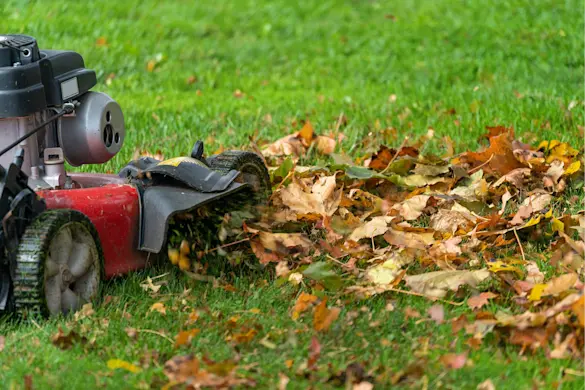
Fall leaves look great on trees, but once they hit the lawn, they pile up fast. Instead of dragging out a rake or leaf blower every weekend, consider using the tool already sitting in your shed. Your lawn mower can double as a surprisingly efficient leaf cleanup machine.
Whether you mulch them into your yard or bag them for compost or disposal, mowing through leaves is faster than raking and easier on your back. Mulching returns nutrients to the soil and saves time. Bagging keeps the lawn looking neat and makes collecting leaves for compost or pickup a breeze.
Deciding which method works best for your yard means weighing the pros and cons of each and understanding how to use your mower for either approach.
Mulching leaves with a lawn mower
Mulching is one of the easiest ways to turn fall cleanup into something your lawn actually benefits from. Instead of hauling away bags of leaves, your mower can shred them into small, soil-enriching pieces right where they land.
Why mulch leaves?
Shredded leaves decompose quickly and return nutrients like nitrogen and carbon to the soil.
You eliminate the need for raking, hauling, or bagging.
It’s faster than traditional cleanup and it keeps leaves out of landfills.
Mulching also improves soil structure over time and helps your grass retain moisture. It’s an efficient, eco-friendly way to handle a leafy yard, especially if you mow regularly throughout the season.
How to mulch effectively
Use a mulching blade if your mower supports it. Mulching blades are designed to lift and re-cut debris for finer shredding.
Mow when leaves are dry. Wet leaves tend to clump and clog the deck.
Avoid mowing over thick piles. If there’s a dense blanket of leaves, make multiple passes or mow more frequently as leaves fall.
Keep an eye on coverage. If the layer of mulched leaves is too thick, it can smother the grass instead of feeding it. You should still see grass blades poking through when you’re done.
Mulching works best for moderate leaf fall. If you’re dealing with heavy accumulation, you might need to combine mulching with periodic bagging to avoid buildup.
Bagging leaves with your mower
Bagging is the cleaner, more controlled way to handle heavy fall leaf buildup. It’s especially useful when your yard gets buried quickly or when you want to keep things tidy for curbside pickup or composting.
Why bag instead?
Leaves are too thick, damp, or matted for mulching.
Prevents excess organic buildup that can contribute to lawn thatch or block sunlight.
Makes it easy to collect leaves for compost bins or municipal yard waste pickup.
Bagging is also the better choice if your lawn struggles with drainage or moss growth, since too much decomposing material can trap moisture near the soil.
Tips for better bagging
Attach the rear or side bagger securely to prevent leaks or blowback.
Mow only when leaves are dry to reduce clogging and improve suction.
Empty the bag often; airflow drops as it fills.
Overlap slightly on each pass or mow in straight rows to catch stray leaves more effectively.
If you plan to compost, chopped leaves from bagging break down faster than whole ones. You can also mix them with grass clippings or garden waste to balance nitrogen and carbon for quicker decomposition.
How to choose: mulch or bag?
Both methods have their place in fall cleanup, and the right choice often comes down to your yard’s conditions. Use this quick checklist to help decide:
Mulch if:
Leaves are dry and lightly scattered
You want to feed your lawn naturally
You’d rather skip raking or hauling
Bag if:
Leaves are thick, damp, or forming piles
Your lawn has poor drainage or thatch buildup
You want material for compost or curb pickup
Some homeowners get the best results by combining both methods; mulching the first pass to shred the leaves, then switching to bagging for a cleaner finish.
If your mower allows it, swapping between modes is quick. Just switch blades or add/remove the bagger depending on your cleanup goals.
Lawn mower setup and maintenance for fall cleanup
Before putting your mower to work on fall leaves, make sure it’s up for the job:
Check or switch to a mulching blade for more effective shredding. If the blade is dull, sharpen it or replace it to get cleaner cuts.
Inspect belts, air filter, and spark plug for wear, especially if your mower’s been working hard all summer.
Clean under the mower deck to remove built-up grass or debris that can clog airflow during leaf pickup.
Test the bagger attachment, if using one, to ensure a secure fit and proper airflow.
Store your mower properly after the final mow with help from our winterizing your mower checklist.
Whether you mulch or bag, your mower can save time and protect your lawn during leaf season. Keep it in good shape, use the right setup for your yard, and fall cleanup becomes a lot less work.
Explore mower parts or get more lawn mower usage, maintenance and repair tips to keep your equipment running strong through every season.