- Kenmore refrigerator water filters
- Whirlpool refrigerator water filters
- Samsung refrigerator water filters
- GE refrigerator water filters
- LG refrigerator water filters
- Frigidaire refrigerator water filters
- KitchenAid refrigerator water filters
- Maytag refrigerator water filters
- Kenmore Elite refrigerator water filters
- Estate refrigerator water filters
- GE Profile refrigerator water filters
- Amana refrigerator water filters
- Bosch refrigerator water filters
- Dacor refrigerator water filters
- Electrolux refrigerator water filters
Top DIY repair help
View All Repair Categories
Appliances
Lawn & Garden
Power Tools
Home Improvement
Sports & Leisure
Heating & Cooling
Troubleshooting a noisy riding lawn mower
less than a minute readAug 08Lyle Weischwill
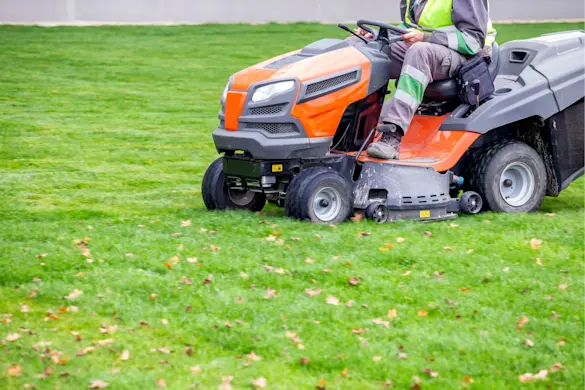
A riding mower shouldn’t sound like it’s screaming across the yard. If yours is squealing, grinding, or just louder than usual, it’s probably trying to tell you something. Unusual noises are often an early warning that a part is worn out, loose, or needs attention.
Most causes of loud mower noises are easy to troubleshoot, and many can be fixed with just a few tools and a bit of know-how. Taking care of the issue early can prevent more serious damage and help your mower run better, longer.
What does a normal riding mower sound like?
Riding mowers are never silent, but they shouldn't make your ears ring either. A healthy mower will produce a steady engine hum while idling and a consistent whirring sound when the blades are engaged. You might also hear some vibration, but it should be smooth and even.
What you shouldn’t hear are squealing belts, grinding metal, rattling parts, or high-pitched noises that change with engine speed or blade movement. These are signs that something is worn, loose, or failing and needs to be checked before it leads to bigger problems.
Regular maintenance is the best way to keep your mower running smoothly and quietly. If you're not sure what to check or when, follow the steps in our riding lawn mower maintenance checklist.
Common causes of a noisy or squealing mower
If your riding mower is louder than usual or making a sound you’ve never heard before, there’s a good chance something needs adjusting or replacing. Here are the most common culprits to check.
1. Worn or loose belts
A high-pitched squeal when you accelerate or engage the blades often points to a belt issue. Belts that are cracked, glazed, stretched, or slipping can make your mower whine and lose power. Look over the drive and deck belts and replace them if they show signs of wear. If a belt is the issue, replace the ground drive or blade drive belt as needed.
2. Worn bearings or spindle problems
A grinding or screeching sound, especially when the blades are spinning, can indicate a worn spindle or damaged bearing. Check the pulleys, spindle housings, and deck bearings for play or noise. Replace the mandrel assembly if the shaft or housing are damaged or worn.
3. Loose or unbalanced blades
If you’re hearing deep knocking, thudding, or excessive vibration, your blades may be unbalanced, bent, or loose. Make sure each blade is tightly secured, free from chips or warping, and properly balanced. Replace the blade if it’s damaged or if balancing doesn’t solve the problem.
4. Engine issues
Squealing or knocking coming from the engine area may be caused by low oil, a clogged air filter, a loose muffler, or a failing starter. Performing a riding mower tune-up can often resolve small engine noises and prevent more expensive repairs later on.
Troubleshooting by sound
Every unusual sound your riding mower makes is a clue. Understanding what those sounds mean can help you zero in on the problem faster and avoid unnecessary part replacements.
Squealing often points to a worn or loose belt, a dry bearing, or a pulley that’s out of alignment. The sound usually gets worse when you engage the blades or increase throttle.
Grinding sounds coming from the deck area may signal worn spindle bearings or damaged mandrels. If you hear it only while mowing, the issue is likely tied to blade movement.
Thudding or strong vibration could mean your blades are out of balance, loose, or hitting something under the deck. Check blade condition and make sure the deck is clear of debris.
Popping or knocking from the engine area may indicate low oil, a fuel system issue, or a problem with the spark plug. It’s best to perform a full tune-up to rule out the most common causes.
If your mower is making any of these sounds, stop using it until you’ve found and fixed the issue. Running it while something is off can lead to bigger problems and bigger repair bills.
When to replace parts (and which ones to check first)
Once you've pinpointed the noise, the next step is figuring out which parts need to be replaced. Start with the components most likely to wear out first.
If your mower is squealing or struggling to move or spin the blades, inspect the belts for signs of glazing, cracking, or stretching. A loose or slipping belt is one of the most common sources of noise.
Grinding or screeching usually means it's time to replace a worn spindle or pulley. Check the deck bearings and mandrel assemblies for damage or excessive play.
If you’re hearing heavy vibration or knocking, inspect your blades for warping, dull edges, or imbalance. Even a small nick can throw off the balance and make your mower rattle.
You can find all the parts you need in our full selection of riding mower parts, including blades, belts, pulleys, and more.
Prevent noisy mower problems before they start
The best way to avoid loud or squealing mower issues is to stay ahead with regular maintenance. Simple tasks like sharpening the blades, inspecting belts, tightening hardware, and lubricating moving parts can go a long way toward keeping your mower running quietly and smoothly.
If you're not sure where to begin, our riding mower maintenance checklist covers the most important tasks to do before and during mowing season.
Unusual sounds from your mower are more than just an annoyance; they're a warning sign that something needs attention. Thankfully, most noise-related problems can be fixed at home with basic tools, the right replacement parts and a little expert DIY guidance.
A squealing mower isn’t crying for attention. It’s asking for a new belt.